Freedom Comes in Waves
Andrew G. Stanton - Dec. 21, 2025
I don’t surf.
That matters, because this isn’t an essay about technique, adrenaline, or mastery. It’s written from the shore — from watching, listening, and noticing how two brothers respond differently to the same year of loss.
I write to process grief. My brother Fred surfs.
Neither of us chose the weight we were given. Trauma arrived without asking, in waves we didn’t see forming. We each found our own way to stay upright.
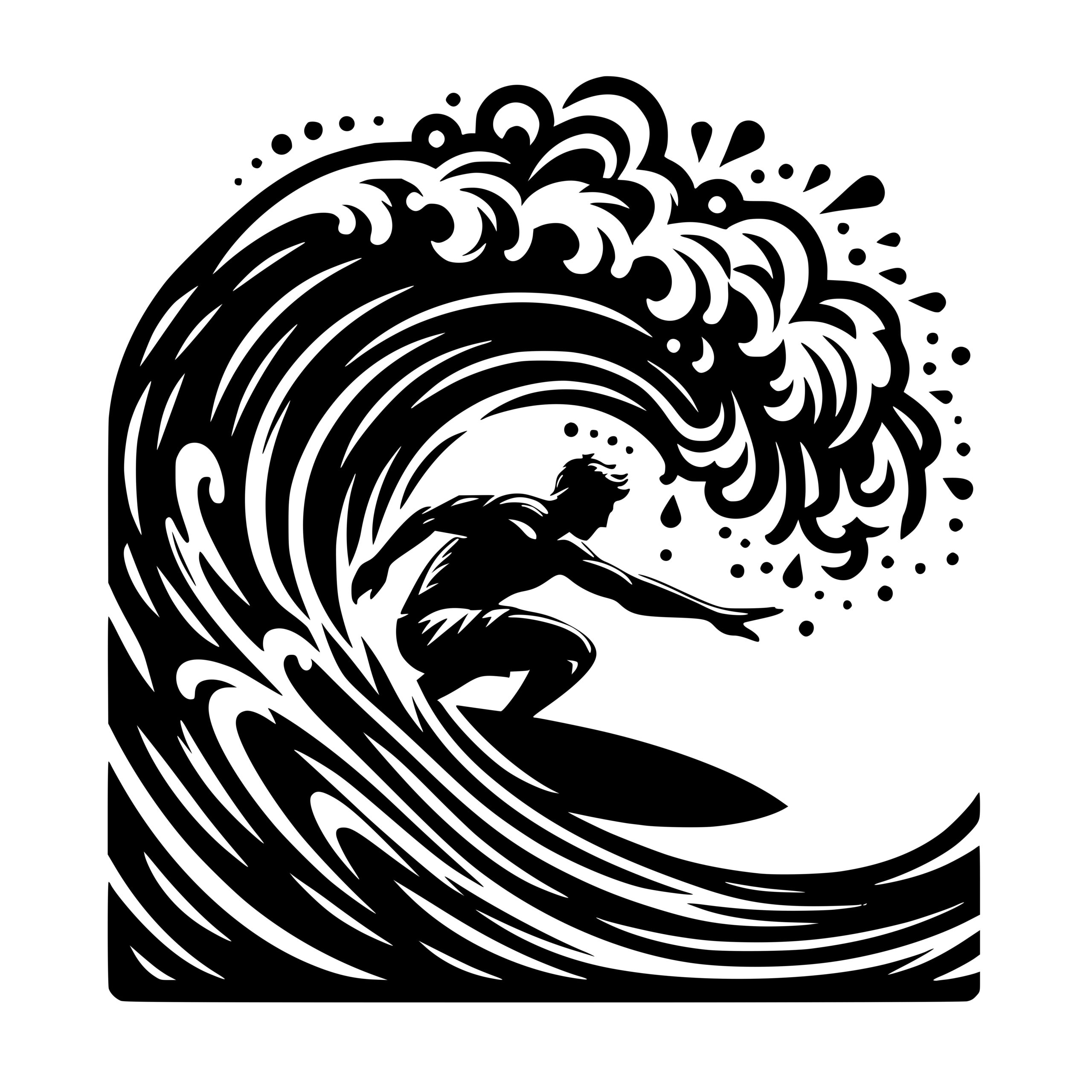
From land, the ocean looks chaotic. Waves arrive without apology. Sets overlap. Nothing waits for you. To an observer, it can feel arbitrary — even punishing. But surfers know something the shoreline hides: not every wave is meant to be ridden, and not every moment requires action.
Surfing begins with restraint.
You paddle out knowing you cannot control the sea. You accept cold, resistance, and effort before you ever stand. Once you’re out there, you wait — sometimes longer than expected — reading shape, timing, direction. You let waves pass. You choose one, knowing it may fail you anyway.
That alone feels like a definition of freedom we don’t hear often.
We’re taught that freedom means removing friction, avoiding limits, insulating ourselves from force. But real freedom seems to work differently. It doesn’t eliminate pressure — it teaches you how to meet it without being owned by it.
The ocean doesn’t care who you are. And yet, it allows participation.
No one grants permission to surf a wave. No institution validates the ride. There is no audience that matters once you’re moving. For a few seconds — sometimes only a few — it’s just alignment: body, board, water, momentum. Not dominance. Not escape. Cooperation.
That’s sovereignty.
Not control over the world, but agency within it.
This year has carried a lot of weight. Loss doesn’t arrive politely. Grief doesn’t follow schedules. Some days you get caught inside — tumbling, disoriented, exhausted — whether you’re in the water or at a keyboard.
What surfing quietly teaches, from what I can see, is that getting knocked down isn’t failure. Neither is floating. Neither is waiting.
You don’t curse the ocean for being the ocean. You breathe. You re-orient. You stay in the water.
Writing works the same way for me. I don’t force clarity. I sit with the weight until something honest takes shape. Different medium. Same discipline.
Even on days when the waves don’t come together — when nothing feels rideable — the act of showing up still matters. Because it preserves something essential: the knowledge that freedom isn’t something handed to you when conditions are perfect. It’s something you practice in imperfect ones.
Surfing doesn’t promise safety. Writing doesn’t either.
Both promise honesty.
And maybe that’s why these practices endure. In a world obsessed with control, optimization, and insulation, they offer something quieter and truer:
A reminder that sovereignty is lived, not declared — and that freedom, like grief, like healing, comes in waves.
Write a comment