DIFC residence listings and transport planning
- How transport affects a DIFC residence choice
- Comparing transport options by load size
- Using price and rent data with transport planning
- What to check before choosing a listing
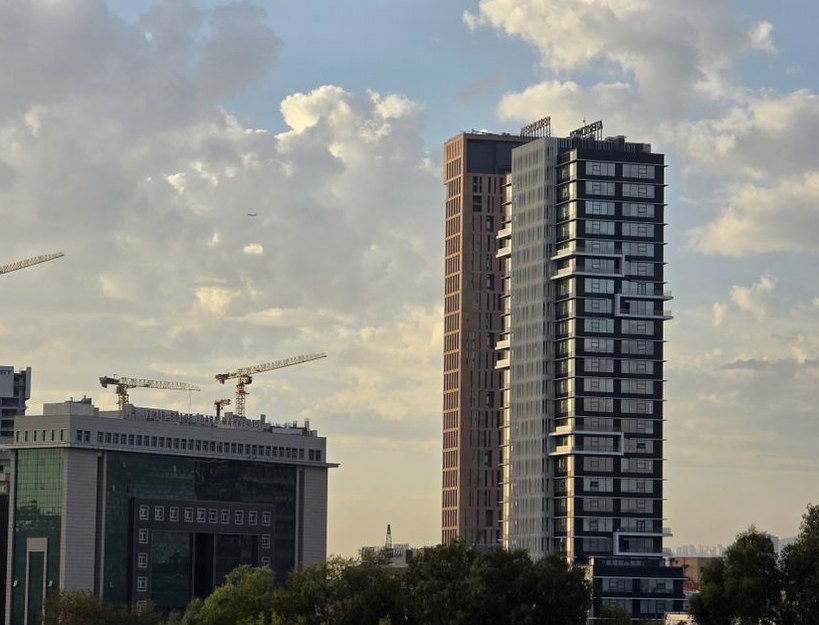
DIFC residence listings suit buyers who want an apartment near offices, restaurants, galleries, and metro access. The practical choice depends on whether you are carrying a few personal items daily, moving a furnished apartment, or arranging repeated deliveries for a larger household. Road access is more flexible for bulky loads, while walking and Dubai Metro work better for everyday travel.
How transport affects a DIFC residence choice
DIFC sits between Downtown Dubai and Business Bay, with Sheikh Zayed Road, Al Mustaqbal Street, Financial Centre Road, and Al Sukook Street connecting the district to surrounding areas. Dubai Metro’s Red Line serves Financial Centre station, while Emirates Towers station is located north of the district.
That layout favors residents who carry small personal loads, such as work bags, groceries, or a few shopping parcels. Gate Avenue, which stretches about 880 meters, brings restaurants, cafes, boutiques, and services close to many apartment towers. A resident can often handle routine errands without arranging a vehicle or separate delivery.
Road transport becomes more practical when the load is larger. Furniture, appliances, several moving boxes, or renovation materials need building access, a suitable vehicle, and coordination with the tower management. The listing price does not automatically include moving, parking, loading, or installation charges, so buyers should request those details before signing.
Comparing transport options by load size
Small personal loads
For one person carrying a laptop, clothing, documents, or groceries, walking is usually the simplest option when the destination lies inside DIFC. The district’s mixed-use layout keeps apartments, offices, shops, and dining venues close together.
Metro travel works better for regular journeys outside the district. It avoids road congestion and connects residents with central Dubai through the Red Line. This option is less suitable for suitcases, fragile purchases, or several shopping bags because the passenger must carry everything through stations and onto the train.
Medium household deliveries
A few boxes, flat-pack furniture items, or small appliances require road delivery. Buyers should check whether the building has a dedicated loading area, service lift, booking procedure, and restricted delivery hours. These rules can affect the actual arrival schedule even when the driver reaches DIFC quickly.
Al Sukook Street leads into the Gate District, where ticketless parking is paid through Salik. Parking arrangements matter when a delivery vehicle needs time to unload rather than make a brief drop-off. Ask the agent or building manager for written access instructions before ordering furniture.
Full apartment moves
A complete move requires a van or truck, several loading trips, and coordination with the tower. The number of rooms, furniture volume, lift capacity, and building permissions determine the schedule. DIFC residence listings include studios and one- to four-bedroom apartments, so the same transport plan will not suit every unit.
A studio may need one compact move for personal belongings, while a four-bedroom residence can require multiple vehicle loads. The source property information does not publish moving-company prices or guaranteed loading times. Any quote should therefore state vehicle size, number of trips, labor, packing, parking, and waiting charges separately.
Using price and rent data with transport planning
Studios in DIFC are listed from AED 1,250,000, while penthouses start from AED 8,893,500. These are lower-end asking prices, not confirmed completed sale prices. Annual asking rents start at AED 65,000 for studios and AED 75,000 for one-bedroom apartments.
Suppose a buyer compares a studio at AED 1,250,000 with a studio rent of AED 65,000 per year. Dividing the purchase price by annual rent gives about 19.2 years before service charges, maintenance, vacancy, financing, and transaction expenses. A move involving ten boxes and personal items might need one vehicle trip, while a furnished studio with appliances could need several trips; the property data does not provide a fixed cost for either case.
That distinction matters because a cheaper listing can still create higher practical costs if access is difficult, parking is limited, or the building requires tightly scheduled deliveries. Buyers should compare the apartment price with the building’s loading arrangements, not rely on location alone.
What to check before choosing a listing
- Confirm the tower entrance, service-lift size, loading bay, and delivery booking process.
- Ask whether parking or access fees apply to movers and furniture suppliers.
- Check whether the apartment is completed and ready for occupation or still off-plan.
- Match the expected load with the vehicle size and the number of trips required.
- Compare daily metro access with road convenience for work, school, and larger deliveries.
- Review service charges and maintenance separately from the advertised purchase price.
For a closer comparison of available homes, review DIFC residence listings alongside each building’s access conditions. The strongest choice is usually the listing that fits both the budget and the resident’s real transport pattern, from a few daily parcels to a complete household move.
- Reference: https://difcdubai.ae/
Write a comment