Guide to the disobedient one moral story for kids
- What the story offers for children
- How to calculate the real budget
- Where budget savings are safe
- When the story may not fit the budget
- Frequently asked questions
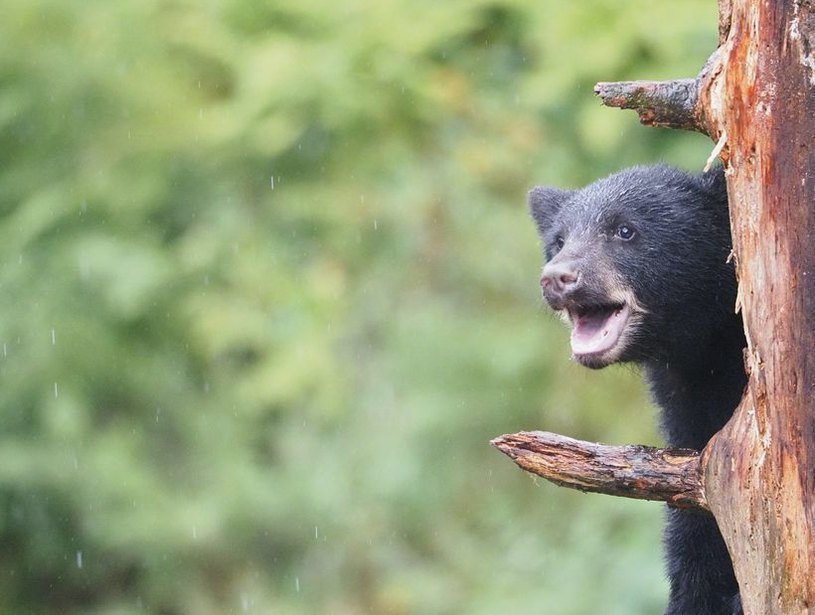
The disobedient one moral story for kids is an original verse fairy tale about a little bear named Misha. He leaves his den during winter, climbs a pine tree, and cannot get down — the story teaches children to listen to a parent before taking a risky action.
For families, teachers, and libraries, the main cost question is not the story itself but how it will be accessed, shared, and used. The page identifies the work as copyright material by Yulia Astashina and states it is available in FB2 format. No purchase price, licence tariff, or permission for unrestricted copying is listed, so a safe budget should not assume that every form of reuse is free.
What the story offers for children
The plot follows a clear cause-and-effect sequence. Misha ignores his mother, climbs higher into a pine tree, becomes frightened, and asks the forest animals for help. His mother eventually rescues him and brings him back to the den.
That structure suits preschool and early primary readers because the danger is easy to follow without graphic details. The lesson stays concrete: listen to a trusted adult when an action involves height, cold weather, or an unfamiliar situation.
The verse format can also cut preparation time for an adult reading aloud. A parent or teacher can pause after the bear leaves the den, ask what might happen next, and continue reading without preparing a separate worksheet. The text should still be checked for age fit and reading length before use.
How to calculate the real budget
Start with the access method. FB2 works on phones, tablets, computers, and compatible e-readers, so a family may avoid printing expenses if children already use one of those devices. Printing becomes a separate cost based on page count, paper, ink, and whether the material is used once or repeatedly.
- A home reading session requires access to the authorised page or file and an available device.
- A classroom copy may require several printed sets, a shared screen, or a school-approved digital distribution method.
- A library or website republishing the full text may need permission from the copyright holder before making it available.
- Adapting the story into a worksheet, recording, video, or translation raises a separate rights question because the format changes.
A public webpage is not a blanket licence for commercial reuse. The page credits the author and states that all rights are reserved. A school reading the story aloud for its own class has a very different practical profile from a publisher selling a booklet with the same text.
Where budget savings are safe
The least expensive compliant option is private reading through the published page or an authorised FB2 copy, provided the access terms permit that use. This keeps the text connected to its author and original page without unnecessary printing costs.
For a group, project the authorised page or use a legally obtained file rather than producing a full copy for every child. If printed pages are necessary, print one teacher copy first and assess whether children actually need individual copies for the activity.
Keep the author credit, title, and source link visible in any permitted educational handout. Removing those details creates attribution problems even when the educational purpose is genuine. Ask the copyright holder before charging families, selling compilations, recording a public audiobook, or placing the story inside a paid course.
When the story may not fit the budget
A digital format may be unsuitable when children lack compatible devices, when screen use is restricted, or when a class needs tactile reading materials. Printing may then be justified, but the cost should be calculated from the approved text length and the number of learners.
Commercial reuse can also become inefficient if permission fees, editing, illustration, narration, and distribution exceed the value of the project. A teacher preparing one lesson may need only a lawful reading copy, while a publisher requires a documented licence before investing in design and promotion.
Frequently asked questions
Is the story free to reuse?
The page does not state a reuse price or grant unrestricted copying. Copyright and all-rights-reserved notices mean commercial or public redistribution should be cleared with the author first.
Which format is listed?
The story is available in FB2 format for phones, tablets, computers, and e-readers that support the file type.
What moral does Misha learn?
Misha learns that ignoring his mother can create real danger. Children are encouraged to listen to trusted adults before attempting risky actions.
Can a school print the story?
Check the school’s permitted educational-use rules and the copyright holder’s conditions before making multiple copies. Keep the author credit and source information with any approved copy.
Write a comment