FILM REVIEW: Resident Evil (2026)

Zach Cregger’s Resident Evil succeeds through the quality of its execution. Its camerawork, pacing, atmosphere, and dialogue work in concert, creating a horror film whose strengths are difficult to separate from one another. What stands out is not a single sequence or isolated creative choice, but the care with which the entire experience is constructed.
It far exceeded my expectations. I left the theater feeling both thoroughly satisfied and excited—a response earned through the film’s sustained command of tension, its well-judged humor, and its attention to the details that give Resident Evil its identity.
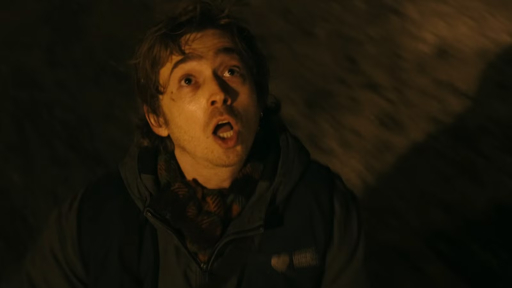
The film’s greatest strength is its precision. Its atmosphere is exceptionally well realized, while the camerawork and pacing reinforce that atmosphere rather than competing with it. The jump scares are well timed, giving the tension effective moments of release without becoming the sole foundation of the horror.
That same sense of timing extends to the dialogue. Some of the film’s most effective lines consist of nothing more than “fuck” or “nope,” but their simplicity is exactly why they work. Placed at the right moments, these brief reactions are genuinely funny without disrupting the surrounding dread.
It is a small distinction, but an important one. Humor can easily undermine a horror film when it feels imposed on a scene. Here, those reactions fit the moment. They provide a release while remaining part of the experience, demonstrating the same control that defines the film’s scares and pacing.
Taken together, these choices make it difficult to identify one element as the clear highlight. The atmosphere is excellent, but so is the way the film moves through it. The scares land, but so do the quieter touches of dialogue. Its achievement lies in how consistently those elements support each other.
For me, the film’s relationship to Resident Evil is not a question of whether it reproduces the games’ continuity. It tells its own story, and its success as an adaptation comes from preserving the series’ identity within that approach.
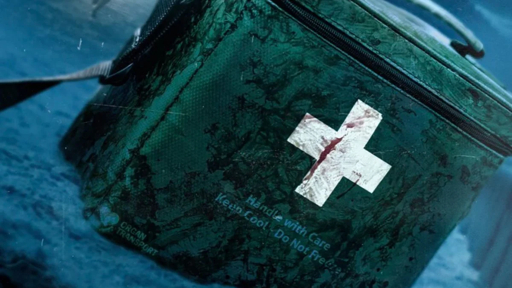
The smaller references are particularly effective. A green herb visible in a shot, the design of the first-aid bag, and the inclusion of padlocks offer satisfying points of recognition. The progression through newly discovered weapons also evokes the experience of acquiring upgrades while playing.
These details matter because they connect the film to more than recognizable names or imagery. They recall the objects, interactions, and sense of progression that help define the experience of Resident Evil. For me, that connection was more meaningful than simply following a familiar storyline.
The result is a film that retains its own narrative identity without feeling detached from the series. I appreciated the freedom of its original story just as much as I enjoyed recognizing the details embedded within it.
The film maintained its quality throughout, with no significant weakness diminishing the experience. The ending was the one moment that gave me pause, though not because it was unsuccessful.
It simply felt abrupt.
That distinction is worth making. The conclusion caught me off guard, but it did not leave me disappointed or undermine the film’s preceding strengths. Its suddenness was noticeable rather than damaging, and my overall sense of satisfaction remained intact.
Cregger’s Resident Evil delivers an exceptionally well-executed horror experience. Its atmosphere, visual direction, pacing, and carefully timed dialogue create a cohesive whole, while its attention to the series’ smaller details gives the original story a convincing connection to the games.
I would recommend it to horror fans broadly, but particularly to Resident Evil fans whose experiences with earlier film adaptations have left them skeptical. This film deserves to be approached on its own merits. For me, its combination of confident filmmaking and thoughtful attention to the source material made it an experience that far surpassed expectations.
FINAL RATING: 10/10
Write a comment