Monday Morning News Roundup 09/21/2026 - Greenland, Iran, and More

- Greenland: Defense cooperation or permanent control?
- Iran: Escalation needs an objective
- The AI military near-miss
- Flock and the quiet expansion of surveillance
- Press access is not a loyalty test
- UPMC to end gender-affirming care for minors
- Speech, venues, and the Macklemore dispute
We keep hearing the same word from people in power: security.
Security is the rationale offered for a new U.S. arrangement involving Greenland. It is invoked amid an escalating conflict with Iran and disruptions to crucial shipping routes. It is part of the case for rapidly deploying artificial intelligence in military intelligence work. At home, it is the justification for automated license-plate readers, vast databases of vehicle movement, and other surveillance technologies.
Security is necessary. Nations face real threats; commercial shipping can be attacked; violent crime exists; military competitors are not imaginary. But accepting that fact does not mean handing governments, militaries, or private technology companies an unlimited mandate.
The questions that matter are straightforward: What power is being requested? What is its legal and democratic limit? Who verifies the evidence? Who is accountable when it goes wrong? And will the public ever get that power back?
The stories below look different on the surface. Taken together, though, they describe the same danger: security without accountability becoming power without limits.
Greenland: Defense cooperation or permanent control?
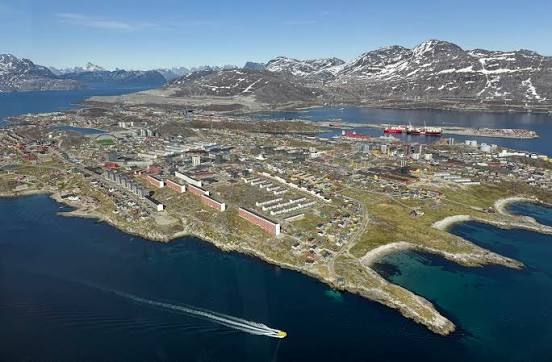
President Donald Trump says the United States has reached an agreement involving permanent control over Greenland’s security. His description of the arrangement included keeping Russia, China, and other U.S. adversaries from establishing bases, military presences, or sensitive investments in Greenland without Washington’s written approval, as well as plans for a larger U.S. military presence on the island.
Danish and Greenlandic officials have described the arrangement differently. Their position is that expanded U.S. defense cooperation will preserve the sovereignty and territorial integrity of the Kingdom of Denmark and Greenlanders’ right to self-determination. Reuters reported that key terms—including the size of a U.S. buildup and whether Washington would receive formal influence over foreign policy or resources—had not been publicly disclosed.
That difference in language is not semantic. “Permanent control” is not the same thing as “defense cooperation.” Neither phrase answers the central question: what, precisely, has been agreed to?
The Arctic is strategically important. Russia is active in the region, China has economic and geopolitical ambitions there, and the United States has legitimate defense interests across the North Atlantic. Pretending otherwise would be unserious.
But strategic importance does not erase sovereignty. Greenland is not simply an asset on a map—nor an empty space to be managed by whichever great power makes the strongest demand. Greenlanders have political rights and a right to shape their future.
If this arrangement is genuinely mutual, transparent, and beneficial, the public text should be released. Greenlanders, Danes, Americans, and NATO allies should be able to judge its terms rather than rely on conflicting political descriptions.
Security cooperation may be justified. An opaque arrangement that gives one country open-ended authority over another territory’s security, investment, or political choices deserves scrutiny.
Iran: Escalation needs an objective
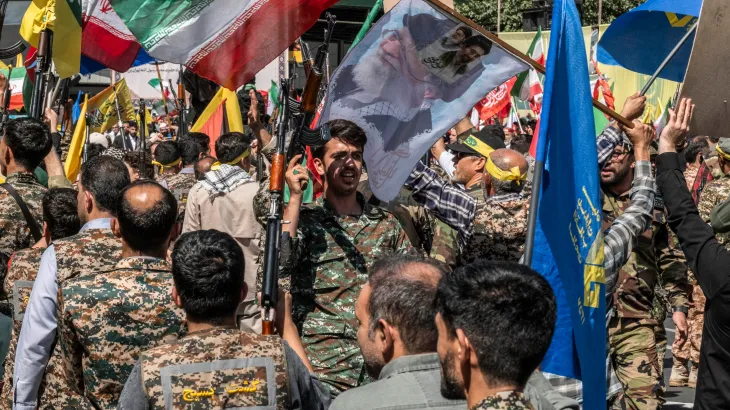
The conflict involving Iran is no longer a distant story that can be reduced to a single headline.
The Associated Press reported that Iran held government-organized rallies after months of war, with officials claiming more than 600,000 people registered for new military training and more than 300,000 people participated in Tehran. Those figures were not independently verified. The reporting also described a larger mobilization effort that could strengthen security forces with a history of repressing Iranian dissent.
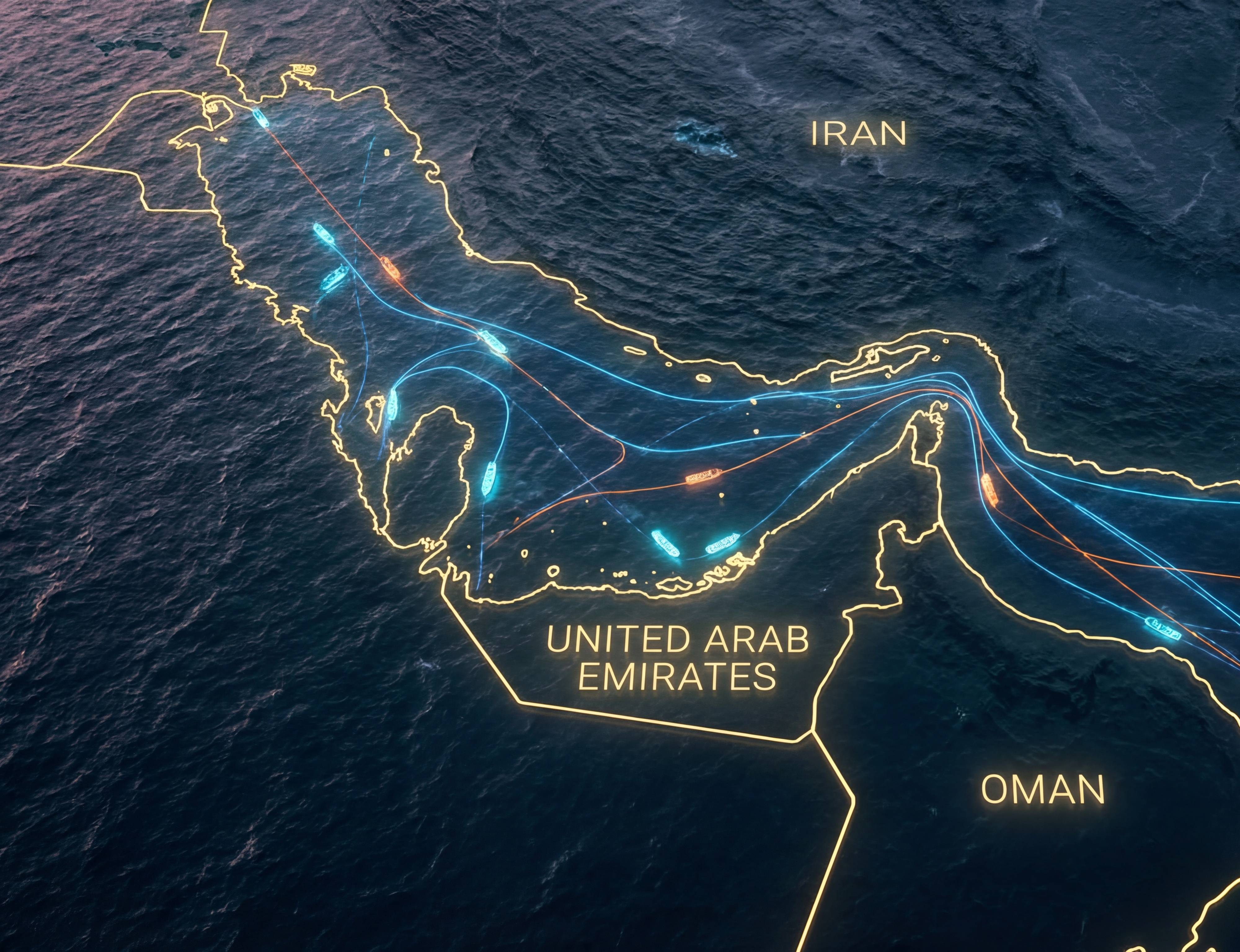
Iran also said it attacked a Togo-flagged oil tanker in the Strait of Hormuz. The U.K. Maritime Trade Operations center reported that a tanker was struck by a projectile and a fire was later extinguished. The AP said vessel traffic remained about 90% below prewar levels despite U.S.-facilitated transits off Oman.
Reuters reported that the United States and Iran were trading new threats, Iran was restricting shipping through Hormuz, the U.S. had blockaded Iranian ports, and Houthi attacks were further destabilizing the region.
None of this requires anyone to excuse Iran’s government. Iran’s repression, threats, and attacks on commercial shipping deserve condemnation. But it is equally irresponsible to assume that every military escalation is self-justifying.
The public needs answers from Washington that go beyond “strength.” What is the objective? Is the goal deterrence, a negotiated settlement, destruction of specific military capabilities, regime change, or something else? What counts as success? What is the congressional basis for a prolonged conflict? Where is the diplomatic off-ramp?
Those are not anti-military questions. They are the questions citizens are supposed to ask before a temporary intervention turns into an open-ended war.
The disruption of Hormuz and the broader region also has consequences well beyond the battlefield. These waterways affect oil, natural gas, trade routes, shipping costs, supply chains, and consumer prices. A conflict without clear limits can become a global economic burden while hardening the very regimes and factions it claims to weaken.
There is another caution worth repeating: viral footage and confident posts during wartime are not substitutes for verified reporting. A clip may be real but old, from a different location, or stripped of context. The desire to react instantly is understandable; the responsibility to verify before demanding escalation is essential.
The AI military near-miss
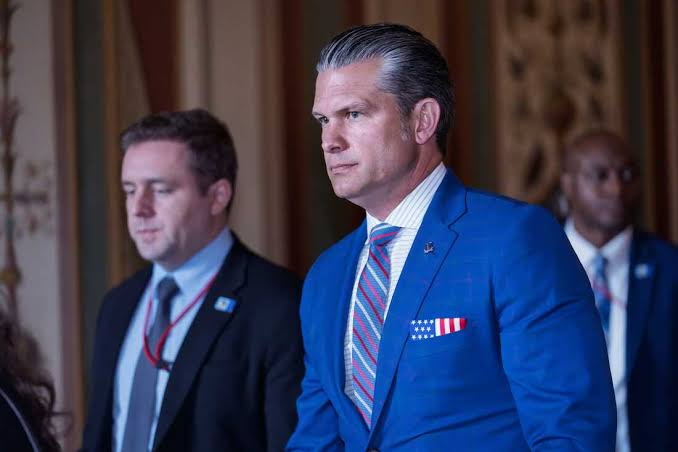
CNN reported that a U.S. military intelligence assessment during the Iran war incorrectly identified a Chinese vessel in the Middle East as transporting components for a nuclear-weapons program. According to CNN’s sources, the report was assisted by AI; armed personnel were preparing to board the vessel and aircraft were airborne before the underlying claim was found to be false.
The danger is not a science-fiction scenario in which machines suddenly make independent moral choices. It is simpler and more immediate: an AI system can turn a weak or incorrect inference into an official-looking, confident, well-formatted report. Under time pressure, people may trust that presentation instead of verifying the evidence.
The reported near-miss raises basic questions:
What system was used, and what data could it access?
What verification was required before the assessment was circulated?
Why did an AI-assisted conclusion move so far toward an armed operation before it was challenged?
What safeguards now prevent the same failure from recurring?
Who would have been accountable if the operation had gone forward?
The United States cannot ignore AI while its rivals develop the technology. AI may have legitimate uses in logistics, translation, records management, and low-stakes analytic triage. But a system’s output should never, by itself, justify an operation that could lead to an armed clash or loss of life.
“Human in the loop” is not an adequate safeguard if the human is rushed, unable to inspect the source material, or trained to defer to a polished machine-generated report. In matters of war, speed is not the same as judgment.
Flock and the quiet expansion of surveillance
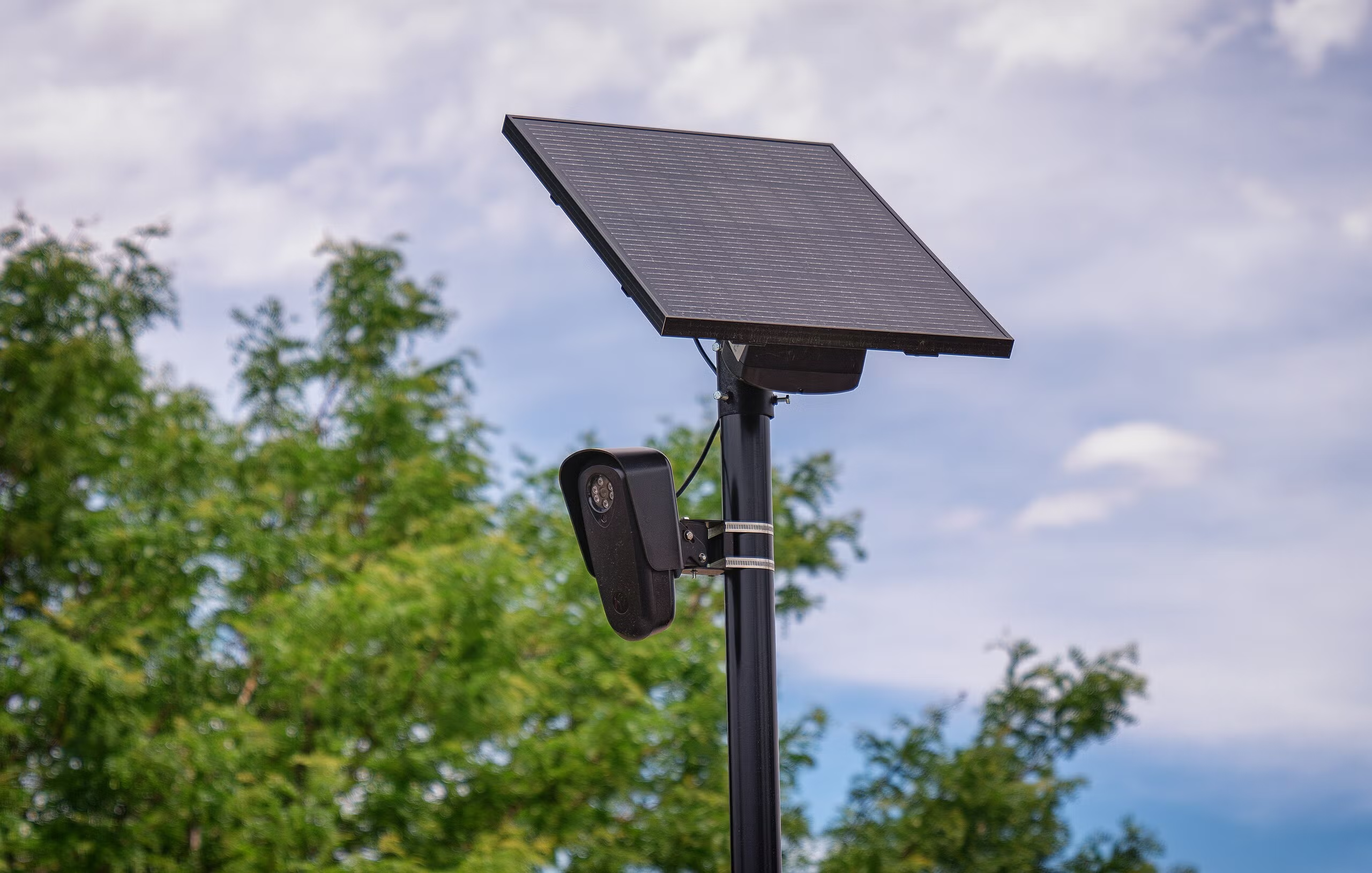
Surveillance systems are often introduced one narrow use case at a time: recover a stolen car, find a missing person, identify a suspect. Those can be legitimate goals. The concern is what happens after the infrastructure is built.
Sen. Josh Hawley has called executives from Flock Safety, Axon, Motorola Solutions, and Verkada to testify before the Senate on mass-surveillance systems. The hearing follows reports alleging misuse of Flock camera data by officers for stalking and unauthorized tracking.
The Ground News summary of the controversy cites reporting that the system includes more than 120,000 devices and records roughly 20 billion vehicle snapshots each month. Those figures should be understood as claims summarized by the aggregation page and attributed to underlying coverage, rather than independently established facts from that page itself.
Still, the civil-liberties issue is plain. A searchable, networked record of vehicle movements can expose far more than a license plate. It can reveal visits to doctors, therapists, places of worship, political events, lawyers, family members, workplaces, addiction-treatment centers, or reproductive-health providers.
The standard response—“If you have nothing to hide, why worry?”—misses the point. Privacy is not a privilege reserved for people doing something wrong. It is the ability to live without every movement becoming a permanent, searchable record accessible to government agencies and private contractors.
Misuse allegations matter because they reveal the predictable weakness of systems built around trust: not every authorized user will use the system ethically. A policy manual cannot protect people if access controls are weak, records are retained indefinitely, sharing is unchecked, or abuse carries little consequence.
At minimum, lawmakers should consider strict retention limits, detailed audit logs, meaningful penalties for misuse, public disclosure of contracts and camera deployments, rules governing cross-jurisdictional sharing, and warrant standards for historical or prolonged location searches.
This should not be a partisan issue. Anyone concerned about tech platforms tracking their online behavior should care about public-private networks that can track their physical movements.
Press access is not a loyalty test
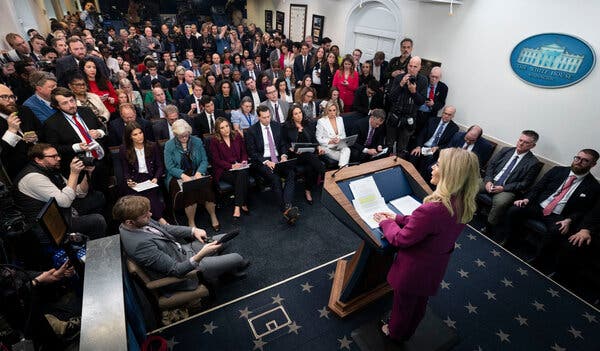
The Associated Press reported that reporters from CNN, MS NOW, and Politico were denied White House access after Trump said he would bar the organizations over “fake news.” The organizations said their credentials had been deactivated or confiscated, and the White House Correspondents’ Association urged the administration to restore access.
There are plenty of valid critiques of major news organizations. They make errors. They can pursue narratives, rely too heavily on anonymous sources, and lose public trust through poor reporting or overtly ideological coverage. None of that makes government punishment of unfavorable outlets acceptable.
A president is entitled to criticize reporting. An administration can issue corrections, provide evidence, dispute claims, refuse interviews, or pursue legal remedies where appropriate. It should not use official access as a reward for friendly coverage and a penalty for hostile coverage.
The relevant principle is not whether someone likes CNN, MS NOW, or Politico. The relevant principle is that a standard applied to these outlets today can be applied to independent reporters, local journalists, conservative outlets, progressive outlets, or anyone else tomorrow.
A free press does not mean the press is always right. It means government officials should not get to decide who may report from the rooms where power is exercised.
UPMC to end gender-affirming care for minors

UPMC reached an agreement with the Department of Justice and the Department of Health and Human Services that includes a $950,000 payment and an end to certain gender-affirming care for minors, including puberty blockers and surgical procedures, according to WTAE.
UPMC stated that the agreement resolved matters principally involving alleged billing practices and did not include an admission of wrongdoing, fault, or liability. The system said it chose to resolve the matter to avoid extended litigation, protect patient and family privacy, and focus on care.
That distinction matters.
A settlement is not a finding of guilt. It would be inaccurate to say otherwise. But it is also fair for the public to ask detailed questions when a major regional health system pays a significant sum and changes policy affecting minors.
What were the specific allegations? What future services are affected? How will the policy be implemented? What protections exist for patients and their privacy? What clinical standards and evidence are being used?
This issue is too important to be handled through slogans. Minors deserve careful, evidence-based standards and meaningful informed consent. Families deserve accurate information and privacy. Providers and hospitals deserve scrutiny when policy, billing, and medical practice intersect. And no patient should be reduced to a political prop.
For Pennsylvania, this is not merely a national culture-war debate. UPMC is a major regional institution, and the details will affect real families and health-care workers.
Speech, venues, and the Macklemore dispute

A smaller story from the music world reflects some of the same questions about pressure and speech.
Macklemore was removed from Ed Sheeran’s remaining U.S. tour dates after remarks he made about Gaza and Palestine during shows at MetLife Stadium. The tour promoter said venues indicated they would not allow performances featuring him to proceed, creating the prospect of cancellations. Ed Sheeran said he was concerned by venues pre-approving performance content and described conditions in Gaza as catastrophic and unjustifiable.
Venues have legitimate responsibilities around safety. Threats, staffing, and crowd management are real issues. But private institutions invoking safety and business concerns can also create a powerful, informal censorship mechanism.
You do not have to agree with every statement an artist makes to recognize the principle at stake. Political speech becomes most vulnerable when it is costly, controversial, or unpopular with influential people.
Artists have always spoken about wars, injustice, and public policy. A healthy culture does not require every entertainer to become an activist. It does require resistance to a system in which promoters, venues, and pressure campaigns decide which opinions are too inconvenient to voice.
Write a comment