Pennsylvania Is Regulating Its Small Businesses Out of Existence

- A Vape Law That Empties Shelves
- Demand Doesn’t Disappear
- Skill Games and a Legislature Asleep at the Wheel
- A Better Path Forward
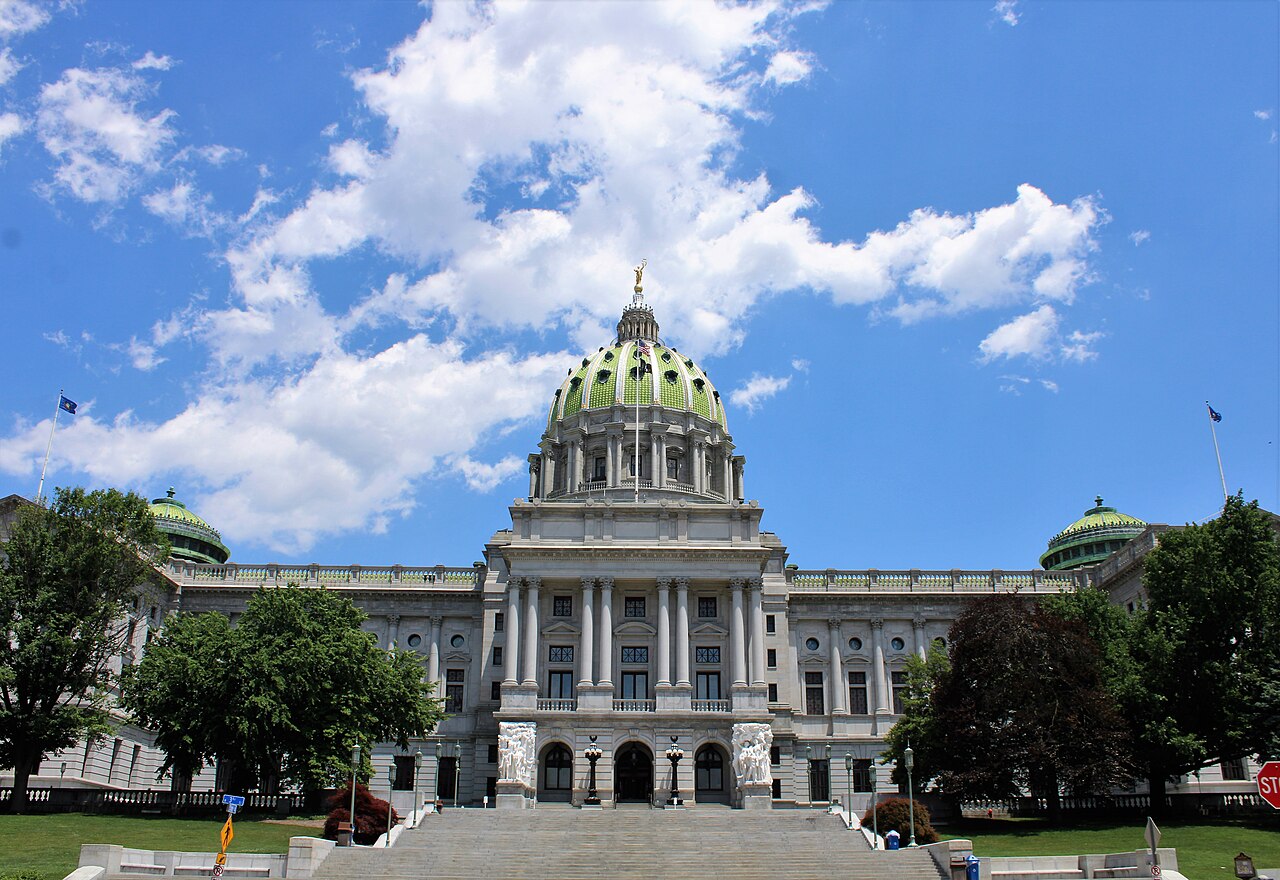
In less than a week this October, Pennsylvania took two of the most dependable income streams away from corner stores, taverns, vape shops, VFW posts, and volunteer fire halls. On October 14, state police began seizing skill games from businesses across the state. On October 19, most of the vapes on store shelves became illegal to sell.
Supporters of both moves say they’re about safety and fairness. The likely results are closed storefronts, lost tax revenue, and a bigger, more dangerous black market.
A Vape Law That Empties Shelves

Act 57 was signed in December 2025. It bans the sale of any nicotine vape product that isn’t listed on a directory run by the Attorney General’s office. To make the list, a product generally needs FDA authorization or a qualifying federal application still under review. As of now, the directory allows just 159 products from six manufacturers, including Juul, R.J. Reynolds, and NJoy. Popular brands like Geek Bar, Cali, and Puff Bar are now banned from Pennsylvania shelves entirely.
The penalties are steep. Retailers face a $500 fine for every unlisted product found on their shelves. A second violation within a year brings fines of up to $1,000 per product, per day, and a license suspension. A third means revocation.
The damage showed up right away. Christopher Hare, who owns Nomad Vapors in Greensburg and Harrison City, told the Pittsburgh Post-Gazette that his shelves held more than 500 items on a Sunday and only 20 by Monday morning.
“That’s all your money in a store like this. Your money is in your product.” — Christopher Hare, Nomad Vapors
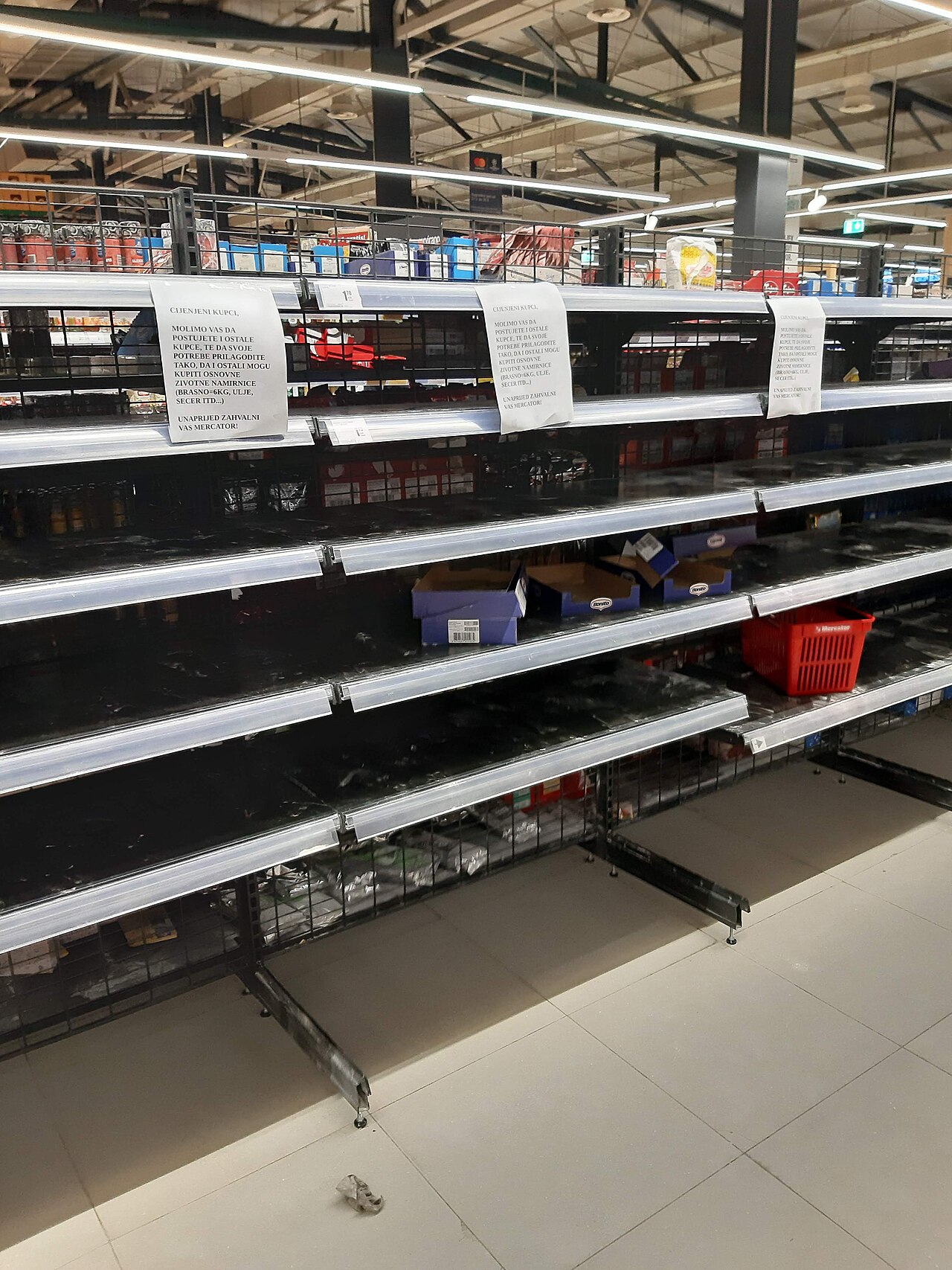
In Philadelphia, a South Street convenience store manager told the Inquirer that nicotine products make up 30 percent of his business. He predicted that stores without groceries to fall back on would close.
These aren’t big chains. Most of them are small, locally owned start-ups. Pennsylvania has given a handful of large manufacturers a protected market and left the shops that sold everything else holding inventory they can’t legally move.
Demand Doesn’t Disappear
The core problem with Act 57 is simple: banning a product doesn’t make people stop wanting it.
“Demand for vaping products does not disappear when the non-approved products are pulled from shelves.” — Ashley Merianos, University of Cincinnati

That demand moves to online sellers, to neighboring states, and to under-the-counter sales.
We already know how this goes. Alabama, Oklahoma, and Louisiana passed similar directory laws, and one study found the restrictions were not associated with lasting reductions in sales. By April 2025, products that weren’t on Alabama’s approved list made up 92.1 percent of measured e-cigarette sales. The law was on the books, and the market ignored it.
Former Williamsport vape shop owner Chris Hughes laid out exactly what will happen: “Some people that are enterprising will drive across the border to Ohio \[or\] West Virginia, and bring a lot of products back and sell them to other people.”
That is trafficking, and it puts a middleman between the customer and the product. A licensed retailer checks IDs, faces inspections, and stands to lose its license. Someone selling vapes out of a car trunk or through a group chat does none of that. They don’t care how old the buyer is. They don’t know or care whether the product is counterfeit, contaminated, or tampered with.
A law sold as protecting kids may end up putting unregulated products in their hands through people who never ask for ID.
There’s also a public health cost that rarely gets mentioned. A 2024 CDC study found that in 2021–2022, about 1.2 million American adults used e-cigarettes to quit smoking for at least six months. That’s slightly more than 40 percent of everyone who successfully quit in that period. Push those adults out of legal vape shops and some of them will go back to cigarettes, which are still sold at every gas station in the state.
Even public health experts doubt the law will work. Douglas Levy of Massachusetts General Hospital warned that laws like this are “really hard to implement and enforce” and that “the practical impact is going to be small.” Merianos argued that strict age verification at every sale would do more to protect teens than an approved-products list. That approach would target the actual problem without wiping out legitimate businesses.
Skill Games and a Legislature Asleep at the Wheel
The skill games story is a different kind of failure.
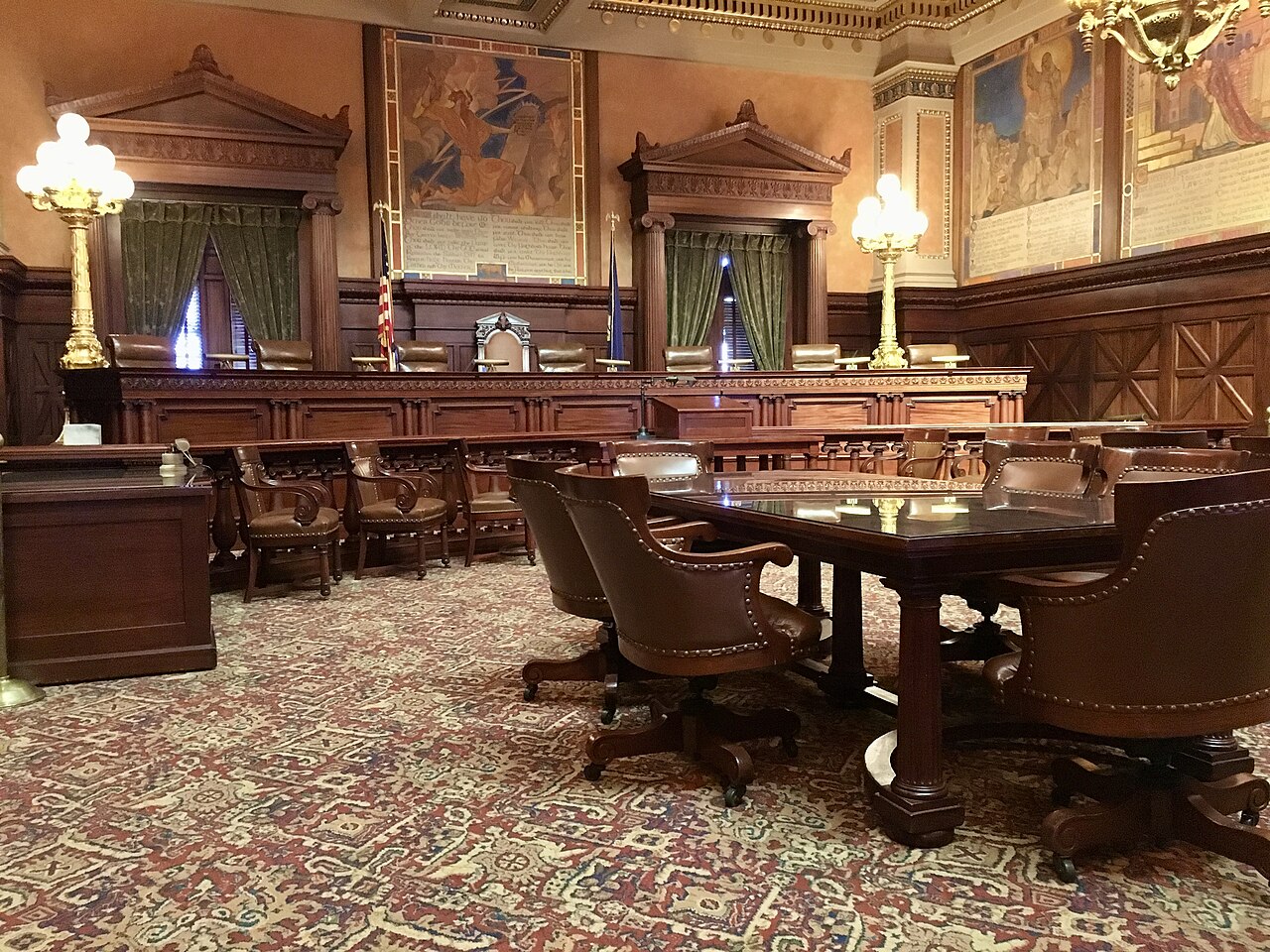
On June 15, the Pennsylvania Supreme Court ruled that skill games are slot machines under state law, which limits them to licensed casinos and truck stops. The justices knew the ruling would hurt good-faith business owners, so they paused enforcement for 120 days and openly invited the General Assembly to legalize, regulate, and tax the machines.
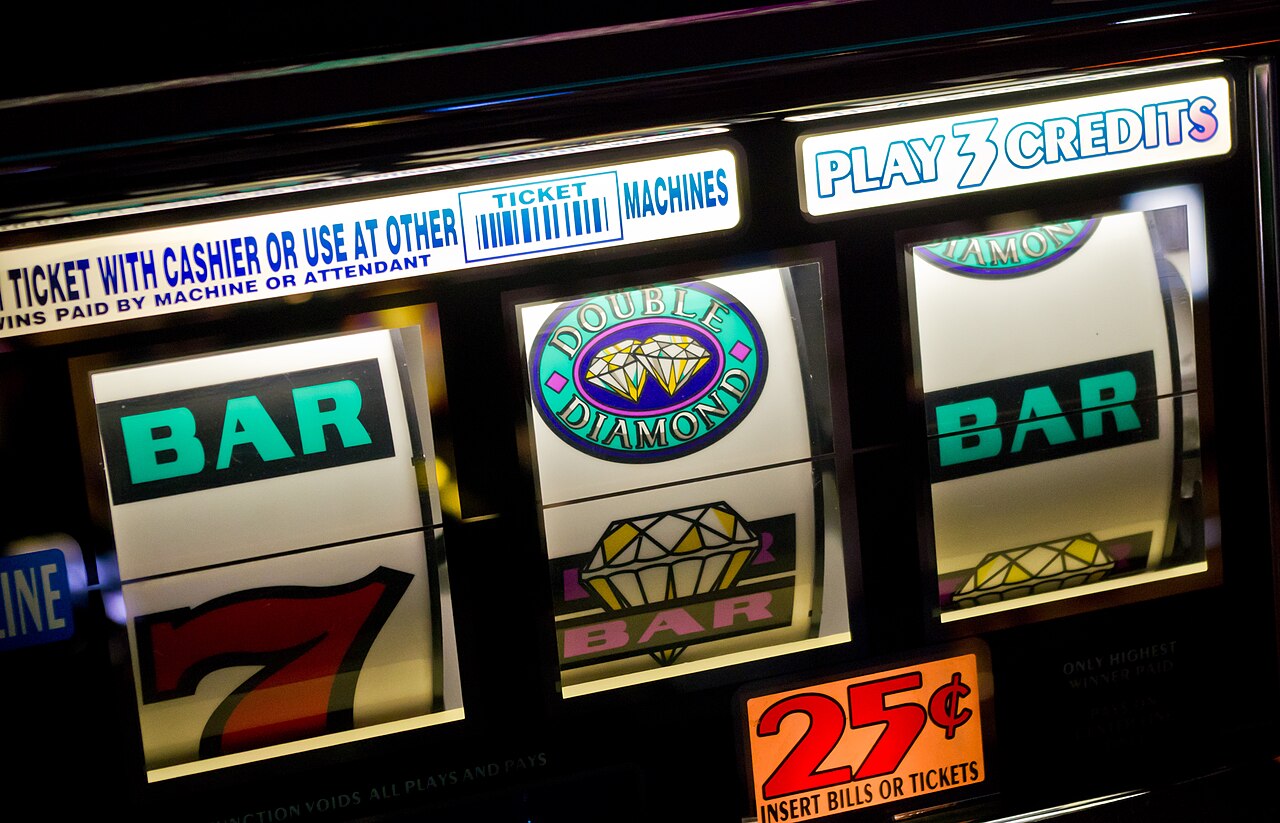
Harrisburg did nothing. The House and Senate met several times during those four months, but legislative leaders never advanced a bill and the deadline passed. This is despite Governor Shapiro and his Republican challenger, Stacy Garrity, both supporting legalization. They only disagreed on how to tax the machines. When lawmakers, 20 charitable organizations, and VFW posts asked for more time, the court flatly denied the request.
The fallout is huge. An estimated 70,000 machines have been coming out of businesses statewide, and state police report that 12,000+ establishments they visited no longer have them. Many of those places are taverns, pizza shops, fire companies, and veterans’ halls that relied on that revenue to stay afloat. For a small-town VFW or volunteer fire company, those machines often meant the difference between keeping the lights on and asking the community for yet another donation.
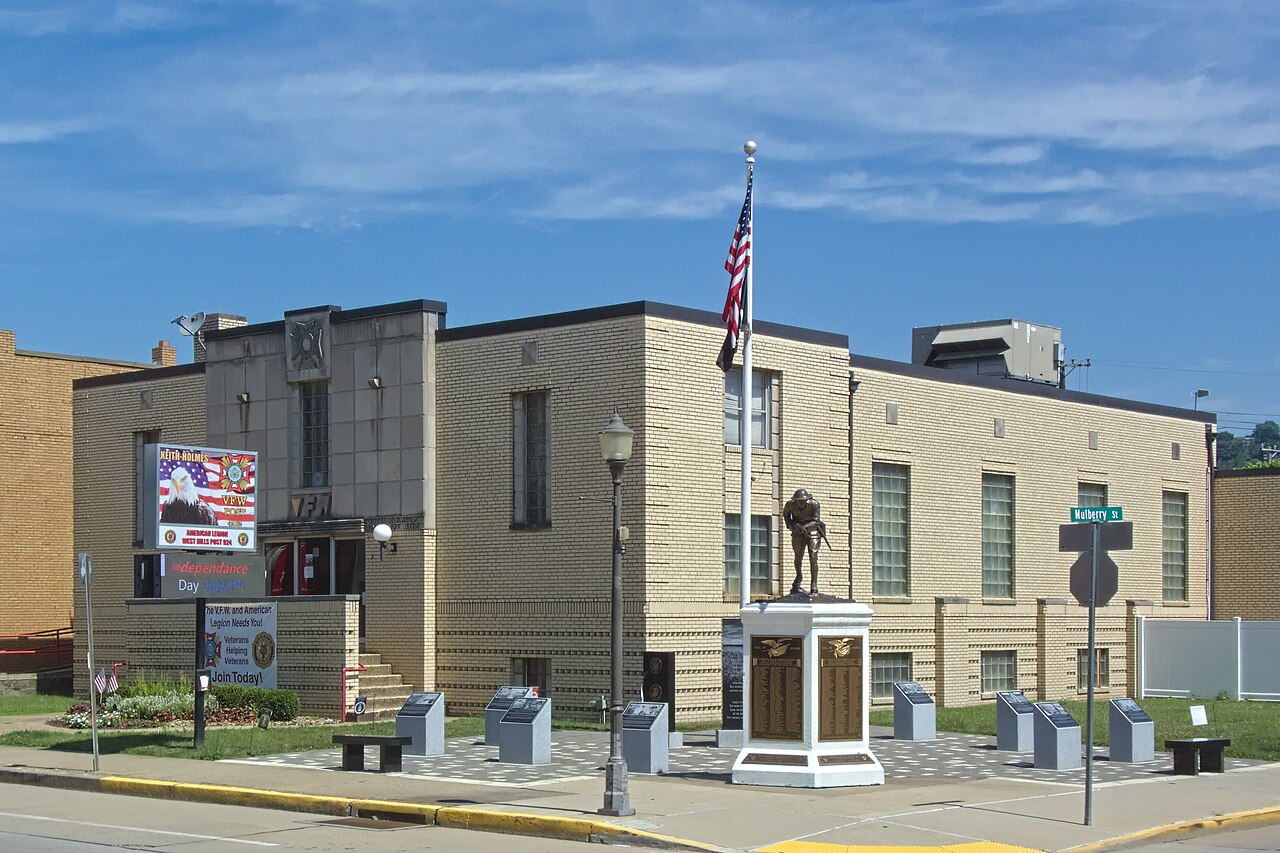
The state loses too. Every machine that comes off the floor is revenue Pennsylvania could have taxed and regulated. Lawmakers had ideas ready, including a $500 monthly fee per machine, and simply ran out the clock. With the session winding down, action before the end of 2026 is likely off the table.
Gambling demand doesn’t disappear either. State police are already investigating so-called sweepstakes machines that claim to work around the ruling. When the legal, visible option goes away, the gray-market and back-room versions move in, with no oversight, no protections for players, and no revenue for the state.
A Better Path Forward
The court did its job: it read the law and told legislators to fix it. The mistake belongs to Harrisburg, which passed a vape law that experts expected to fail and then sat on skill games until the clock ran out.
Pennsylvania can fix both:
-
Skill games: Pass a real framework to license, tax, and regulate the machines so taverns, clubs, and fire halls can bring back revenue they depend on.
-
Vapes: Focus on strict age verification and on going after retailers who sell to minors, instead of a list that rewards a few manufacturers and pushes everyone else to the state line.
Prohibition has never made demand go away. It just moves the money to people who don’t follow any rules. Pennsylvania’s small businesses deserve better, and so do the customers who will end up buying from someone in a parking lot instead of a licensed shop.
Write a comment