What Would Happen if a Dirty Bomb Went Off in Washington, D.C.?

- A conventional bomb with a radioactive passenger
- The first hours
- When fear outruns information
- The cost of a closed block
- Cleaning up, one building at a time
- What to do if you get a radiation alert
- The danger you can’t see
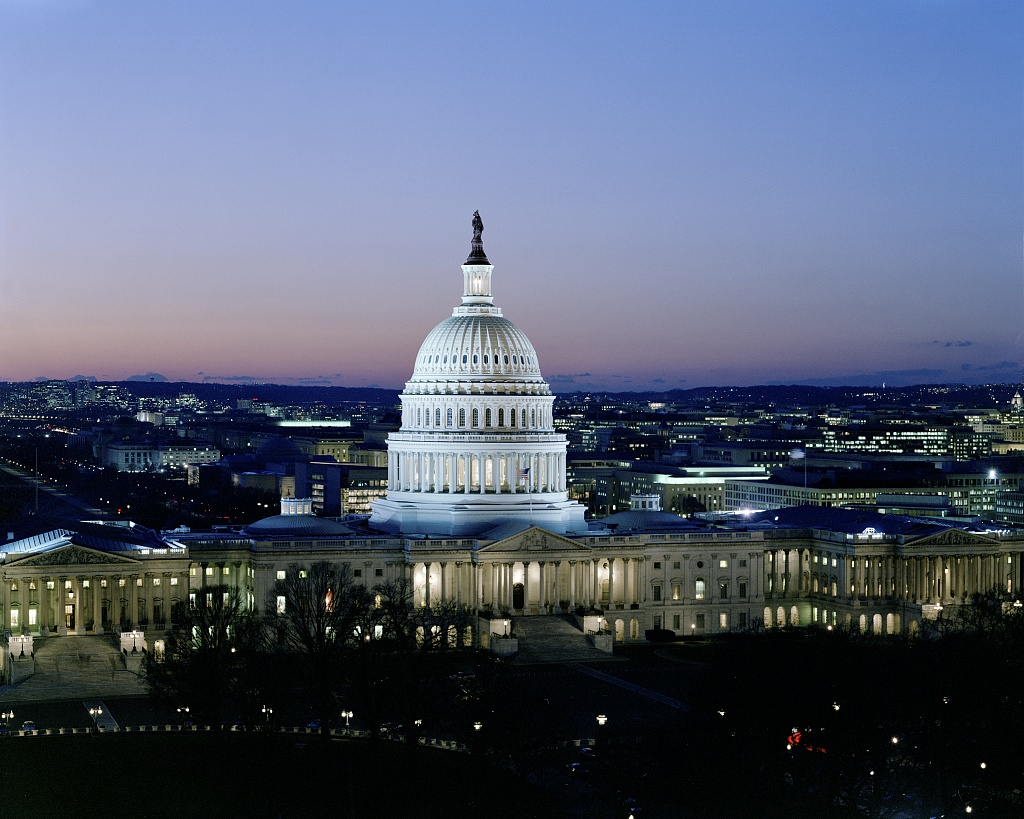
The headline question is no longer purely hypothetical. On November 16, CNN reported, citing seven U.S. officials, that American intelligence indicated Iran was developing plans that could involve a dirty bomb or a chemical weapon aimed at senior Trump administration officials in Washington. CNN’s sources described the planning as an effort to give Tehran options, not as a sign that an attack was imminent. The White House said there were no credible threats to the homeland, and Iranian Foreign Minister Abbas Araghchi rejected the report.
Nothing in the reporting shows that Iran has decided to attack. But it raises a fair question for anyone who lives or works in the capital: if a dirty bomb did go off, what would actually happen?
A conventional bomb with a radioactive passenger
The phrase “dirty bomb” sounds like a smaller nuclear weapon. It isn’t. A nuclear bomb gets its power from a chain reaction that splits atoms, releasing enough energy to flatten neighborhoods and produce intense heat and radiation over a wide area. A dirty bomb has no chain reaction at all. It’s a conventional explosive packed with radioactive material, and as the CDC explains, the radioactive material doesn’t make the blast any stronger. The explosion simply scatters it.
That creates two separate kinds of damage. The first is the blast itself, which would injure or kill people nearby, shatter windows, and damage buildings, just like any other bomb. The second is contamination: radioactive particles carried by the explosion that can settle on streets, sidewalks, and rooftops, or be breathed in. According to the U.S. Nuclear Regulatory Commission, most dirty bombs wouldn’t expose people to enough radiation to cause immediate severe illness. Their real power lies in contamination that can take a long and expensive cleanup to remove.
The two kinds of damage don’t necessarily cover the same ground. The blast’s reach is easy to see. Contamination is invisible, and it could extend past the last broken window. That gap between what people can see and what instruments can detect shapes almost everything that would follow.
The first hours
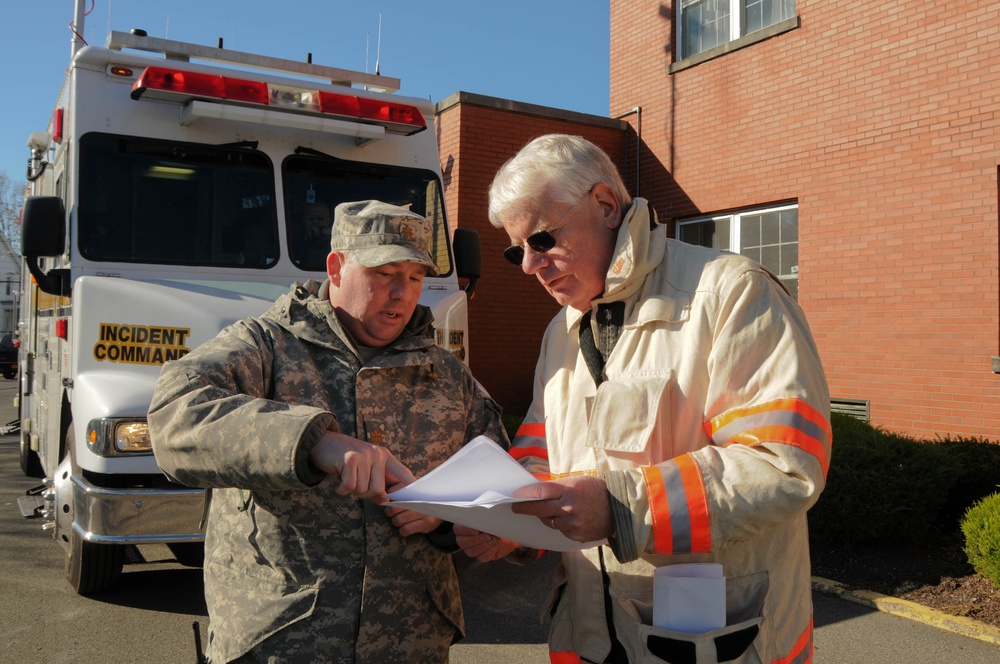
Responders would arrive facing two jobs at once. They would need to rescue and treat the people hurt in the explosion while also figuring out whether radioactive material had spread, and how far. A police line can keep people away from a blast scene, but it can’t show where contamination has settled. Only radiation measurements can do that, and those measurements would guide decisions about which areas to restrict and when to reopen them.
In those first hours, officials would likely have to act before they had complete information. A shelter-in-place alert could go out to people well beyond the blast site while crews were still taking readings.
No single agency would be in charge of everything. On the ground, D.C. Fire and EMS would treat the injured and the Metropolitan Police Department would secure the area. The District’s Homeland Security and Emergency Management Agency would coordinate city agencies and send public instructions through channels such as AlertDC. If the explosion appeared deliberate, the FBI would lead the criminal investigation under the federal response plan, working alongside local police. The Department of Homeland Security, through FEMA, would coordinate federal support, while specialists from the Department of Energy and the Environmental Protection Agency could help measure the contamination and interpret the results.
That division of labor means each part of the response can keep moving on its own track. Rescue doesn’t wait on the investigation, and decisions about reopening streets would depend on radiation readings, not on whether investigators had identified who was responsible.
When fear outruns information

The hardest part for many people wouldn’t be the danger itself. It would be not knowing whether they were in it.
Picture getting an alert that radioactive material may have spread while your child is at school across town. Every instinct says to go get them. But leaving a safe building could increase your exposure, and the drive might take you straight through an area officials haven’t finished checking. That’s why the CDC advises people to stay sheltered rather than go to schools, day cares, hospitals, or nursing homes to collect loved ones until officials say it’s safe. Advice like that only works if people understand the reason behind it, so a good alert would explain why staying put protects families, not just order them to do it.
Hospitals would feel that uncertainty as well. Along with blast victims who need urgent care, emergency rooms could fill with people who feel fine but want to know whether they were contaminated. The CDC’s hospital response guidance plans for both groups. Directing worried but uninjured people to separate screening sites would let emergency departments focus on the most serious cases without dismissing anyone’s fears.
Instructions would probably change as new measurements came in, and that can erode trust if officials aren’t upfront about it. The CDC’s emergency communication guidance urges agencies to say what they know, admit what they don’t, and keep instructions clear and consistent. For someone deciding whether to leave home, every update should answer three questions: Does this apply to me? What should I do right now? When will I hear more?
The cost of a closed block

A dirty bomb’s economic damage could reach far beyond the buildings it physically harmed. A restaurant with every window intact could still lose a week of business if officials close the block for testing. Customers can’t get in, workers lose shifts, and rent comes due anyway. If residents are told to leave their homes, the cost of temporary housing and relocation adds to the losses.
A Congressional Research Service analysis separates the cost of cleaning contaminated property from the wider economic losses caused by disruption and displacement, and the second category can be substantial. In a city like Washington, the final bill would depend less on how big the explosion was than on how much of the city had to close, and for how long.
Cleaning up, one building at a time

Recovery would begin the same way the response did: with measurements. Crews would survey buildings, streets, and public spaces to find out where radioactive material had come to rest. Under the EPA’s radiological recovery guidance, some surfaces could be cleaned with specialized equipment, while contaminated material that couldn’t be cleaned would have to be removed. Debris and wastewater that picked up radioactive particles would need careful handling. Then crews would measure again to confirm the work had brought exposure down to a safe level.
That process wouldn’t produce a single moment when Washington was declared clean. One shop could reopen while the one next door stayed closed. Some neighborhoods might return to normal while cleanup continued a few blocks away. For the people living and working there, recovery would arrive address by address, when their own home, office, or storefront was cleared.
What to do if you get a radiation alert
The CDC’s radiation emergency guidance comes down to three steps: get inside, stay inside, and stay tuned.
-
Get inside the nearest sturdy building. A car offers much less protection. Once inside, go to the basement or the middle of the building, away from outside walls and the roof. The exception is a building that is on fire, structurally damaged, or otherwise unsafe.
-
If you were outdoors and may have been exposed to radioactive dust, take off your outer layer of clothing, wash any exposed skin, and change into clean clothes. According to the CDC, removing that outer layer alone can get rid of up to 90% of the radioactive material on you.
-
Stay put and follow official updates until emergency officials say it’s safe to leave or give you new instructions. A calm street and a clear sky don’t mean the danger has passed.
The danger you can’t see
The explosion would be over in seconds. What would last is the uncertainty, about which streets are safe, which buildings can reopen, and when life can get back to normal. A dirty bomb’s power lies less in what it destroys than in what it makes people afraid to use. In the end, Washington’s recovery would depend on careful measurement, honest communication, and a public willing to stay inside long enough for both to work.
Subscribe to my newsletter to get more articles like this delivered right to your email!

Write a comment