A Practical Guide to the sly caterpillars bedtime story
- What the story teaches
- Supplier verification for printed story materials
- Warehouse inspection before dispatch
- Packaging reinforcement for bedtime books
- When batch consolidation makes sense
- Acceptance checklist
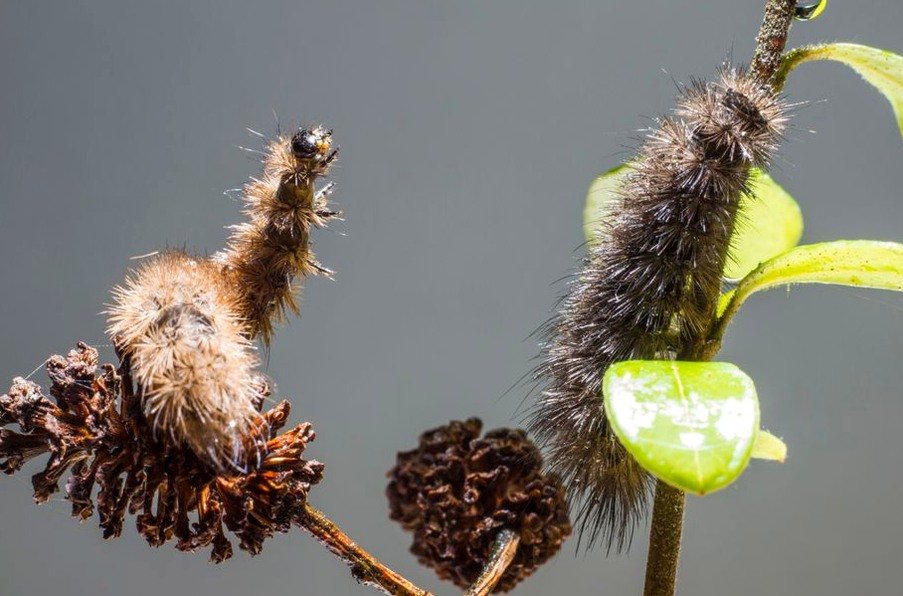
the sly caterpillars bedtime story follows two caterpillars who try to cheat in a meadow race. One stays at the starting line while the other hides beneath the sunflower leaves overnight. A spider later exposes the trick with a piece of finish-line silk.
The tale suits bedtime because the conflict is easy to follow and the ending returns the characters to a calm mood. It can also work well in printed copies, story cards, or classroom batches. In those cases, the production process needs the same attention to detail as the story itself, from supplier verification to warehouse inspection, packaging, and batch consolidation.
What the story teaches
The meadow residents organize a Bug Derby for the nectar of a newly opened sunflower. Bees, beetles, butterflies, ladybugs, spiders, and caterpillars prepare for the event. The two caterpillars choose deception instead of making an honest effort.
Their plan relies on looking alike. One caterpillar remains at the start, while the other reaches the sunflower under cover of darkness. When the racers arrive, the hidden caterpillar claims that she has been waiting there for ages. Her story sounds convincing until the spider examines the physical evidence.
The finish-line silk is still attached to the little bee, who reached the flower first. The hidden caterpillar has no matching thread, which proves that she was already near the sunflower. Children can follow the lesson easily: a confident statement cannot replace evidence.
Supplier verification for printed story materials
Before ordering a batch, compare the supplier’s version with the approved story. Check the title, character sequence, race setting, cheating plan, silk clue, and peaceful picnic ending.
A shortened text may remove the reason the caterpillar is exposed. An altered ending can weaken the lesson about honesty and change the gentle bedtime tone. Request a proof copy or digital sample before approving production, especially if the story will appear in a booklet or gift set.
- Confirm that the Bug Derby remains the central event.
- Check that the sunflower is both the race destination and the setting for the prize.
- Make sure the spider identifies the silk as evidence.
- Review punctuation and dialogue so young listeners can follow each speaker.
Warehouse inspection before dispatch
Inspect finished copies for missing pages, blurred illustrations, damaged corners, and text substitutions. Pay particular attention to the pages covering the race start, the bee’s arrival, the caterpillar’s claim, and the spider’s explanation.
Separate damaged copies before packing. Mixing them with clean stock can lead to complaints and make the approved quantity uncertain. Count the usable copies after inspection, then record how many require replacement or repacking.
When several versions are stored together, label every batch with its title and edition information. Clear labels help prevent the wrong story from entering a shipment, especially when similar bedtime titles use the same packaging format.
Packaging reinforcement for bedtime books
Reinforce the packaging when booklets, cards, or small story sets may bend or rub during handling. A firm outer mailer protects the covers and keeps the pages aligned. Internal support reduces pressure on the corners.
Avoid compressing the materials so tightly that the cover buckles. Check that the package closes securely and that loose items cannot slide across the printed pages. A damaged cover can make a clean story unsuitable for gifting, even when every page remains readable.
When batch consolidation makes sense
Consolidate copies only after each title and version has passed inspection. Grouping approved stock into one shipment can simplify counting and reduce repeated handling. Mixed batches, however, create errors when labels are unclear.
Keep rejected copies outside the consolidated shipment. If a replacement arrives later, inspect it separately before adding it to the approved group. The completed batch should remain traceable, with every copy matching the same verified text.
Acceptance checklist
- The title and story sequence match the approved version.
- The caterpillars’ cheating plan remains understandable.
- The spider’s silk evidence appears clearly.
- Pages, covers, and illustrations pass warehouse inspection.
- Packaging protects the copies without bending them.
- Only verified copies enter the consolidated batch.
Write a comment