Mathematical teamwork fairy tale for kids and learning costs
- What should be included in the budget
- How the story creates a practical tariff structure
- Ways to reduce spending without weakening the lesson
- Common calculation mistakes
- Questions about the fairy tale
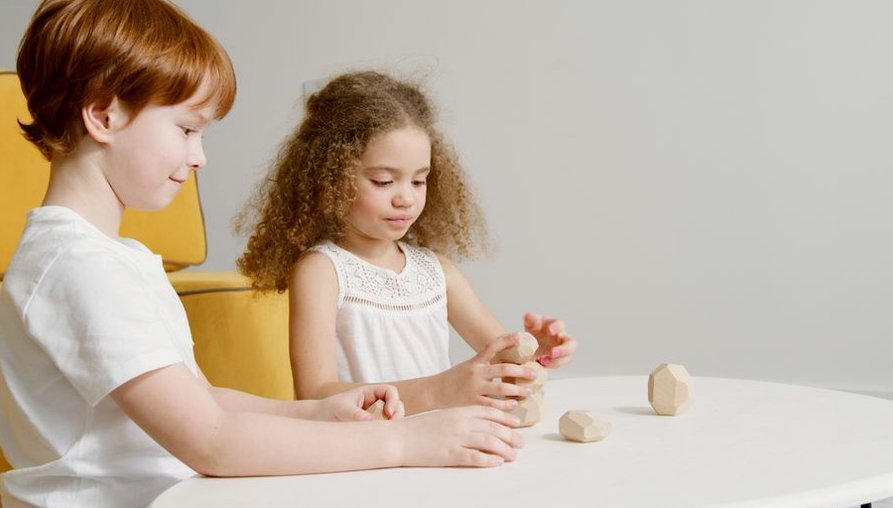
A mathematical teamwork fairy tale for kids can teach geometry, measurement, planning, and cooperation through one simple building story. The cost of using it depends less on the subject itself than on the delivery format, classroom purpose, licensing terms, and materials added around the reading.
In the story, Ruler, Triangle, and Compass try to build a new house together. Their first attempt goes wrong because responsibilities are divided without enough checking. Protractor, Notebook, and Pencil then help them measure, verify angles, record calculations, and create a workable plan.
What should be included in the budget
Start with the exact use case. Reading the story aloud at home has almost no extra cost beyond access to the text. A classroom activity may require printed pages, rulers, protractors, pencils, notebooks, and drawing paper. A larger lesson could also include prepared worksheets or a group construction task.
The story description does not state a purchase price, subscription fee, or classroom licence tariff. A responsible budget should therefore separate confirmed costs from optional spending. Do not present an estimated figure as the price of the fairy tale itself.
- Access cost covers the way the story is obtained, such as a webpage, digital file, or authorised classroom copy.
- Material cost includes paper, writing tools, rulers, triangles, and protractors used during the activity.
- Preparation cost reflects the teacher’s time for printing, grouping children, and checking the geometry task.
- Reuse value depends on whether the same text and activity can support several lessons without an additional charge.
For a home lesson, buying new equipment may be unnecessary if the child already has a ruler, pencil, notebook, and basic angle tool. For a school group, shared equipment can reduce spending, but too few tools may lengthen the lesson and create idle time.
How the story creates a practical tariff structure
A useful tariff structure separates the core reading from optional educational layers. The basic layer is the story about the three friends and the crooked house. The next layer adds questions about measurement and angles. A higher-cost lesson may include printed packets, teacher preparation, or licensed redistribution, if the rights holder charges for those uses.
When comparing formats, check whether the fee covers one child, one family, one class, or an entire school. Also check whether downloading, printing, translating, or sharing the text requires separate permission. These conditions affect the real cost more than the length of the story.
The story can be accessed through the mathematical teamwork fairy tale for kids page. Before using copies in a paid course or distributing them to families, review the page’s current terms rather than assuming that personal access includes commercial reuse.
Ways to reduce spending without weakening the lesson
Keep the reading and the geometry exercise together. The children can identify Ruler, Triangle, Compass, and Protractor as members of one construction team, then use the same characters to discuss measurement errors. This avoids buying separate content for mathematics and cooperation.
Use one notebook page per group instead of printing a full worksheet for every child. Ask pupils to draw a house, mark its corners, and assign each character a responsibility. The activity stays close to the plot while reducing paper use.
Do not cut compliance costs by copying the story into a public handout without checking permission. A cheaper-looking approach can create problems if the material is shared beyond the permitted audience. When rights are unclear, use the authorised page for reading and create original questions in your own words.
Budgeting also improves when the teacher defines the learning target first. If the goal is angle recognition, a ruler and protractor may be enough. If the goal is teamwork, the group can plan the construction together without purchasing extra craft materials.
Common calculation mistakes
The first mistake is counting only the access fee. Printing, preparation, replacement stationery, and staff time can form a larger share of the lesson budget.
Another mistake is paying for materials that the activity does not need. The plot already supplies a clear setting, characters, and problem. Extra decorations may make the lesson attractive, but they do not improve the measurement task automatically.
A third mistake is ignoring the cost of failure. If children receive unclear instructions, the teacher may need to repeat the activity or prepare a second lesson. A short plan with marked roles prevents this waste: one child checks dimensions, another records them, and another verifies the angles.
Questions about the fairy tale
What mathematical ideas does the story teach?
It introduces measuring lengths, checking angles, planning construction, recording calculations, and reviewing mistakes before completing a design.
Do children need advanced geometry skills?
No. The activity can begin with simple ruler measurements and recognition of straight or angled corners. The teacher can add harder calculations for older pupils.
Can the story be used in a classroom?
Yes, if the current access and reuse terms permit classroom reading, printing, or distribution. Check those conditions before making copies.
What is the lowest-cost activity?
Read the story, divide children into small teams, and ask them to sketch the house in a notebook. Existing pencils and rulers are sufficient for a basic lesson.
Write a comment