Avoid rare species and only take what you need: how to forage and save money on your food shopping
While there are fears that people harvesting their food could put pressure on habitats, some ecologists suggest responsible foraging can boost conservation and biodiversity
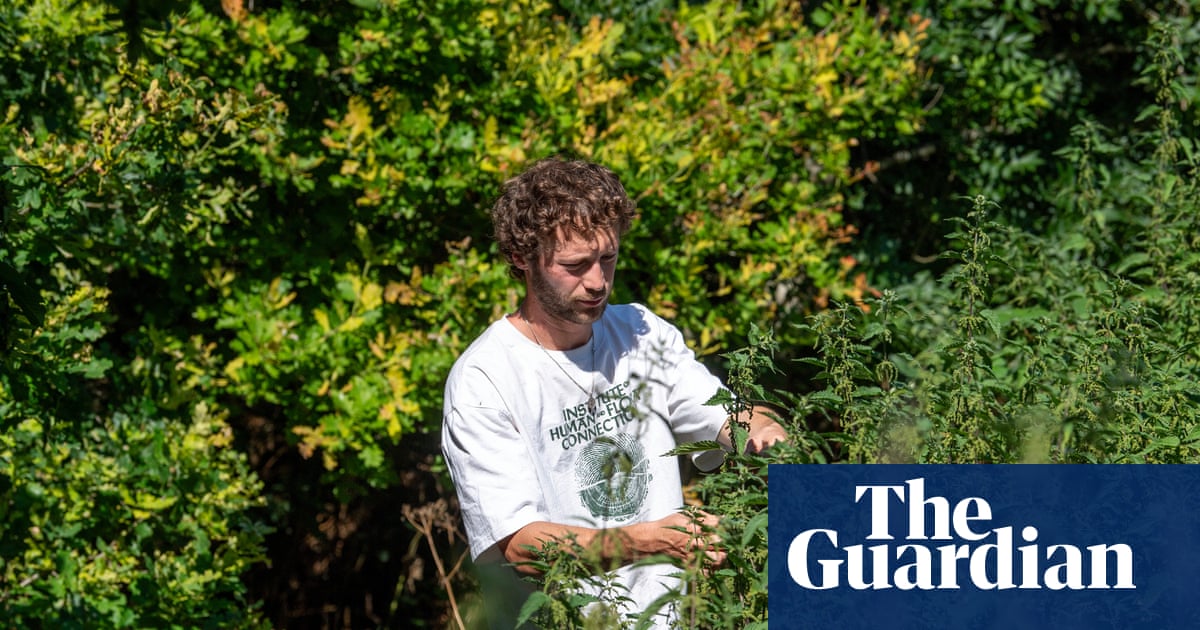
Foraging for wild food is gaining popularity, with individuals like Angus Morton finding it a cost-effective way to supplement their diet. While concerns exist about over-harvesting impacting habitats, some experts believe responsible foraging can enhance biodiversity by fostering a deeper connection between people and their environment. This increased connection, they argue, can lead to greater support for conservation efforts and a better understanding of local ecosystems.
- Foraging for wild food is a growing trend, with practitioners like Angus Morton using foraged items to reduce food costs.
- Concerns exist that increased foraging could negatively impact natural habitats and wildlife due to over-harvesting.
- Conservation groups advise foragers to take only small quantities, avoid rare species, and leave enough for wildlife.
- Some wildlife trusts have banned mushroom picking on their reserves to protect fungi and dependent wildlife.
- Conversely, some foragers and ecologists argue that responsible foraging can boost biodiversity by educating people about nature and encouraging them to protect it.
- Foraging can lead to a sense of connection and ownership of the landscape, motivating individuals to advocate for its protection.
- Ecological studies suggest that increased knowledge of local flora and fauna leads to a greater appreciation and support for green spaces.
- Incorporating edible plants into urban design can support wildlife, attract pollinators, and provide food for people, thus enhancing biodiversity.
- Responsible foraging involves understanding the benefits and potential problems, and taking only what is needed to ensure natural regeneration.
Write a comment