How avocadik realized that parents are worth more than toys
- What changed Avocadik’s view of the airplane
- Buyer criteria hidden inside the fairy tale
- Contract clauses to check before paying
- The real-world scenario behind the airplane
- Why the garden helped Avo understand
- Frequently asked questions
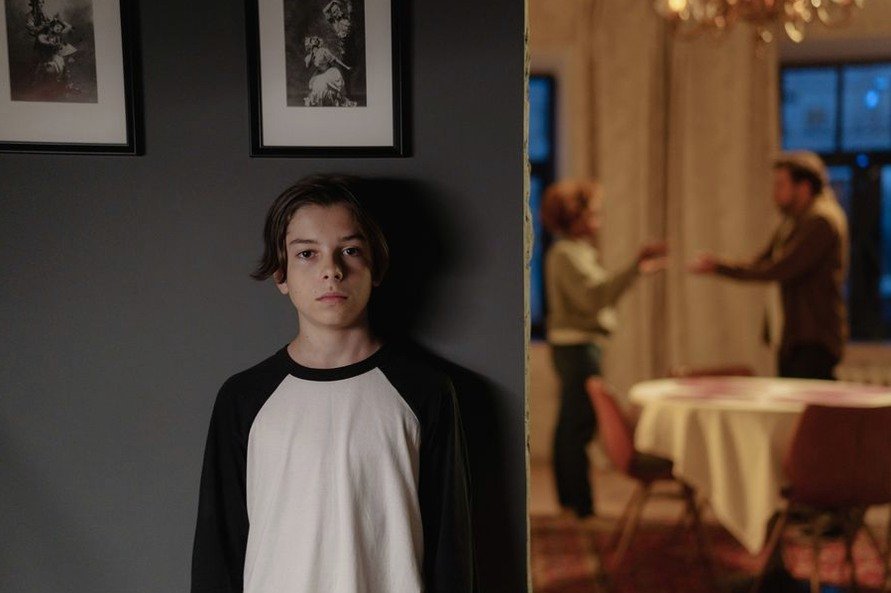
Avocadik understood the value of his parents only after every new toy reduced the time they could spend together. The turning point came when he demanded the latest model airplane, and his parents spent all their remaining money on it. They worked even more, while Avo had no one to play with, talk to, hug, or share the airplane with.
The story is a practical lesson about buying decisions inside a family. A child sees the toy, the bright promise, and the fear that limited stock may disappear. Parents see the full cost: money, extra working hours, tired evenings, and lost family activities. Avocadik noticed the first cost only after the second had taken away the people who made his life happy.
What changed Avocadik’s view of the airplane
The airplane was advertised as the latest model, with limited quantities. That message increased Avo’s urgency, but it did not prove that the toy was needed. He wanted it immediately, ignored his parents’ warning, and demanded that they buy it even though the purchase would consume their entire salary.
His parents explained the consequence clearly. If they bought the airplane, they would have to work more and would have less time for walks and play. Avo rejected that condition because he measured the purchase by the toy itself, not by the family hours it would consume.
The decision looked different after payment. Avo received the airplane, but his parents became increasingly absent. The family stopped walking in the magical garden, playing together, and sharing ordinary conversations. The toy remained, yet the experiences that gave it meaning disappeared.
Buyer criteria hidden inside the fairy tale
A sensible family decision begins with need rather than pressure. Before paying for a large toy or expensive entertainment, the buyer should ask what problem the purchase solves and how often the child will use it. Avocadik wanted the airplane because it was new and scarce, not because he had a clear plan for playing with it.
- Check the complete financial effect. The airplane used all the family’s remaining money, so the purchase left no room for ordinary needs.
- Measure the time cost. Extra work meant fewer walks, bedtime stories, hugs, and conversations.
- Separate a lasting need from a short emotional demand. Avo’s earlier requests for ice cream and a balloon followed the same pattern: he insisted, his parents gave in, and the family paid for the consequences later.
- Ask who will use the item with the child. A toy that requires shared play loses much of its value when parents are always working.
These criteria explain how avocadik realized that parents are worth more than toys. The lesson does not say that toys have no value. It shows that a purchase becomes harmful when it removes the relationships and time that make childhood meaningful.
Contract clauses to check before paying
The story has no formal sales contract, but its airplane purchase can be examined like a serious buyer agreement. This approach helps parents slow down when a child reacts to scarcity, advertising, or a loud emotional demand.
- Confirm the final price and the money left afterward. “The entire salary” is a warning that the household cannot absorb the purchase safely.
- Check the return or cancellation terms before payment. If the child loses interest, the family should know whether the toy can be returned.
- Read the delivery and availability condition. “Limited quantities” creates pressure, but it does not remove the need to review the purchase.
- Clarify what the item includes. If the airplane needs adult supervision, batteries, accessories, or regular shared play, those requirements affect its real value.
- Agree on a family time rule. A purchase should not quietly require parents to work so much that family routines disappear.
These clauses protect the household from a decision made during a tantrum. They also give the child a visible reason for waiting, comparing, or choosing a less expensive activity. The parents in the story explained the time consequence, but they had already created a pattern of giving in after whining and shouting.
The real-world scenario behind the airplane
Imagine the family stopping before payment and asking three questions: Can we afford the airplane without using all remaining money? When will we play with it together? What family activity must disappear if we buy it?
The answers would have exposed the problem. The airplane might have brought excitement for a short period, but its price would have required more work. That work would have removed walks, stories, and attention. The family would have purchased the object while selling the time needed to enjoy it.
A better decision could have involved waiting, setting a future budget, or choosing a shared activity in the garden. The child might still have felt disappointed, but disappointment would have been temporary. The loss of daily closeness lasted much longer.
Why the garden helped Avo understand
When Avocadik returned to the magical garden alone, familiar places brought back memories of picnics, kite flying, songs, hugs, and games. The garden showed him what the toys had displaced. He finally compared the emotional value of those memories with the temporary excitement of possessions.
His tears marked a change in responsibility. Avo admitted that he had demanded things without considering his parents’ effort. He understood that the family’s problem was not the airplane alone. It was the repeated habit of treating every desire as a demand that parents had to satisfy.
When Mama Avocadiha and Papa Avocado came home, Avo apologized and asked them not to work so much. He said that he needed their love and attention more than toys. The family then returned to the garden, where shared time became more valuable than another purchase.
Frequently asked questions
Why did Avocadik regret buying the airplane?
The airplane required his parents to work even more. Avo gained a toy but lost walks, stories, conversations, hugs, and shared play.
What was the main warning before payment?
His parents said the airplane would use their entire salary and leave less time for family life. That financial and time cost should have stopped the purchase.
Does the story say children should never receive toys?
No. It shows that toys become harmful when repeated demands exhaust parents and replace attention, affection, and time together.
What should parents check before buying an expensive toy?
They should review the full cost, remaining household money, return terms, expected use, supervision needs, and the family time required after purchase.
Write a comment