How ilyusha stopped being afraid of injections children's story
- How Ilyusha’s Fear Begins
- From the Sickroom to the Needle Ball
- Why the Fantasy Changes His Attitude
- What Children Take from the Parade
- How to Read the Story Before an Appointment
How Ilyusha’s Fear Begins
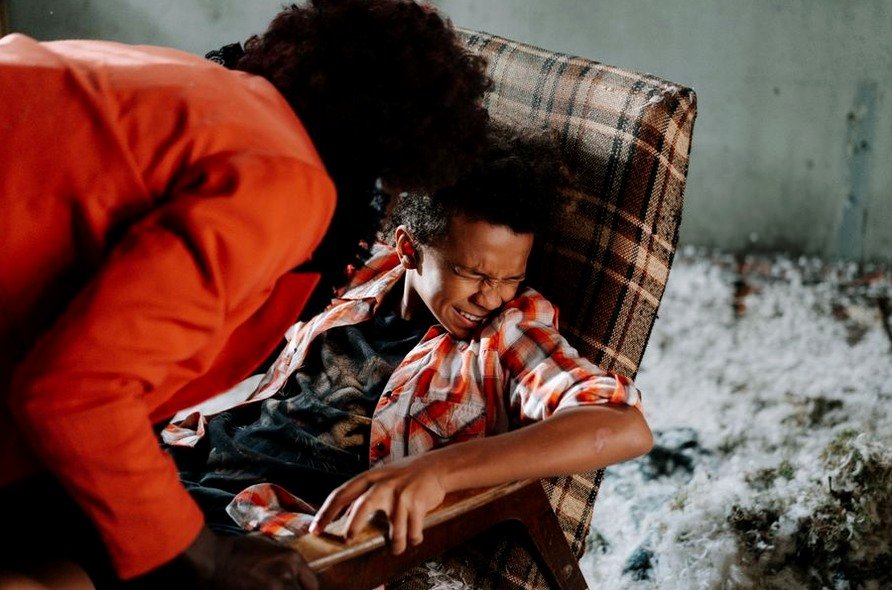
Ilyusha is five years old, curious, obedient, and usually calm. Injections are the exception: when he sees a needle, he screams, struggles, and refuses every promise of a gift.
His illness sharpens the problem because the doctor says he needs injections to recover. The story opens at home, where Ilyusha lies feverish and misses playing with Nordic, the small terrier from his grandmother’s building. His mother brings tea with honey and raspberry jam, but comfort cannot remove the medical need. After an unsuccessful attempt, he cries and falls asleep while she watches over him.
Children get a clear emotional entry point from this opening. The frightening object appears in a familiar room, the adults are worried, and the boy’s reaction comes from fear rather than defiance. Readers understand that Ilyusha is not a bad child; he simply does not know what the needle means.
From the Sickroom to the Needle Ball
While Ilyusha sleeps, the needles in his mother’s sewing box begin to whisper. They agree to help him and gather around his head. The largest needle sings a small invitation to a needle fairy, asking that Ilyusha shrink enough to attend their celebration.
A transparent cloud descends, and he shrinks until he stands only a little taller than the largest needle. This transformation is the story’s turning point. He leaves the sickroom, crosses into an imagined world, and reaches a decorated hall where needles bow, talk, and prepare to dance.
His reception there is gentle. Ilyusha is confused and nearly frightened again, but a small spruce branch greets him by name and explains that the gathering honors the Very First Needle, the ancestor of all needles on earth. A trusted guide at the threshold makes the strange place easier to enter.
Why the Fantasy Changes His Attitude
The heart of the story is educational rather than medical. Ilyusha sees that the word “needle” covers many different things. Spruce, pine, fir, yew, saxaul, acacia, cactus, and rose thorns appear among the plant guests. Porcupines, hedgehogs, echidnas, sea creatures, and sewing needles all belong to the parade.
This growing list shifts the emotional weight of the object. A needle is no longer only the sharp thing connected with pain; it becomes part of a much larger world, with different shapes, uses, and histories. The child receives information in small portions while his attention drifts away from the injection itself.
The arrival of the Bone Needle adds a historical turn to the journey. The spruce branch explains that early people used sharp bones to pierce animal hides and fasten clothing with straps and sinews. The story places this invention approximately 35,000 years ago and notes that the first needle now lives in a museum in Celje, Slovenia.
Celje gives the fantasy a geographical anchor. An adult can show the child on a map or photograph exactly where that ancient object is kept, extending the story well beyond the page without circling back to the medical needle.
What Children Take from the Parade
The procession moves from natural needles to tools made by people. A large gypsy needle leads the sewing needles, followed by smaller sizes and fine embroidery needles. Their different forms have distinct practical purposes, making the whole group far easier to absorb than a single frightening image.
The most useful element for a parent is the shift in attention. The tale never orders Ilyusha to be brave, laughs at him, or frames fear as foolish. Instead, it gives him time to observe, ask questions, meet friendly characters, and learn how needles fit into nature, history, clothing, and decoration.
The complete story is available at how ilyusha stopped being afraid of injections children’s story.
Reading it before a medical appointment can help a child talk about the frightening object at a safe distance. The story itself does not replace a doctor’s explanation or the clinic’s instructions.
How to Read the Story Before an Appointment
- Read the opening at home, when the child is comfortable and no injection is scheduled immediately.
- Ask which part of Ilyusha’s reaction feels familiar, without pressing the child for an answer.
- Pause at the needle ball and let the child name the needles he remembers.
- Use a toy, drawing, or picture of a sewing needle to separate familiar objects from medical equipment.
- Explain that a healthcare professional will describe the injection and that the child can ask what will happen.
The excerpt ends as the celebration gathers pace and the Very First Needle calls everyone’s attention. By that point, Ilyusha has already moved from panic to curiosity. Before the next appointment, try reading the story together and asking which needle your child would invite to the ball.
Write a comment