Snow angel christmas fairy tale pricing guide
- What the story already contains
- How to build the tariff
- Rights and compliance costs
- Ways to control the budget
- Frequently asked questions
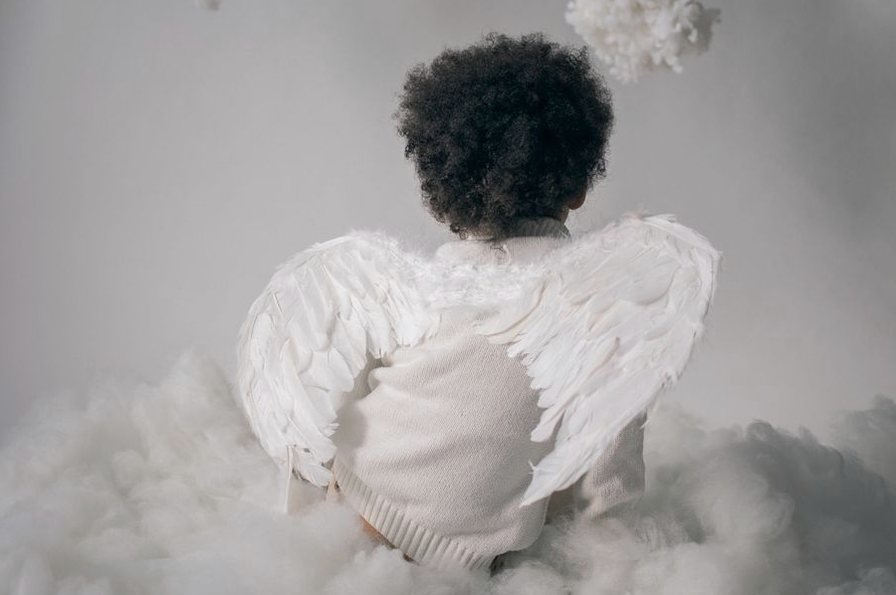
The cost of preparing or publishing the snow angel christmas fairy tale depends on the use planned for the text. The source material contains a complete short story, but it gives no prices, licence terms, translation rates, illustration fees, or distribution charges. A reliable budget therefore starts with the format, audience, rights, and amount of new work required.
What the story already contains
The text follows a clear Christmas Eve narrative. A child feels rejected after seeing Vova invite other classmates, withdraws to a room, and meets a tiny snow angel with transparent wings. The angel asks about the child’s friendship with Vova, and remembering shared experiences changes the child’s view of the situation.
The ending shows Vova arriving with the other children and inviting the child to the ice rink. That structure matters for budgeting because the story already has a beginning, emotional conflict, supernatural encounter, and resolution. An editor may need light polishing rather than a full rewrite, although the final fee depends on the requested standard and language.
How to build the tariff
A practical quote should separate each cost-producing task instead of treating the fairy tale as one indistinct package. The first component is text preparation. Copy-editing can address grammar, dialogue punctuation, repetition, and consistency in terms such as «New Year’s Eve», «snow angel», and the characters’ names.
- A light edit costs less work because the existing plot and sequence remain intact.
- A developmental rewrite costs more because the emotional transition from anger to gratitude may need restructuring.
- Translation requires a separate assessment when the English version must sound natural for children rather than follow the original sentence order.
- Illustration adds briefing, character design, scene sketches, revisions, and final artwork preparation.
- An audio edition adds narration, recording, editing, music decisions, and usage permissions for every sound element.
The required word count also affects the tariff. A short web page may need only the edited story and a title. A printed booklet could require front matter, page planning, illustration placement, proofreading after layout, and a final file check. Each added production stage creates a separate opportunity for errors, so removing unnecessary formats protects the budget.
Rights and compliance costs
Before commissioning artwork or distribution, confirm who controls the text and what use is permitted. The source material does not state whether the story is public domain, commissioned, licensed, or owned by a named author. That status cannot be inferred from the plot or from the fact that the story is available online.
A rights check should cover online publication, print sales, classroom use, translation, audio recording, adaptation, and commercial advertising. Written permission should describe the approved language, territory, duration, format, and credit line. If the project changes the ending, names, setting, or message, request adaptation rights rather than assuming ordinary publication permission covers those changes.
Compliance work is usually cheaper before production begins. Discovering a rights problem after illustrations, narration, or page layout are complete can create replacement costs and delay publication.
Ways to control the budget
Keep the first edition close to the supplied plot if the goal is a simple seasonal reading page. The existing story already includes the snow angel’s purpose, the child’s reflection on friendship, and the final invitation to the ice rink. Cutting those elements would weaken the narrative and could require additional writing to restore its emotional logic.
Choose one primary format before requesting a quote. A web publication needs responsive text and proofreading. A print edition needs layout and print-ready files. An audio version needs performance direction and sound production. Ordering all formats at once may reduce duplicated editing, but it is wasteful when the audience only needs one version.
Limit illustration revisions by preparing a short visual brief. It should identify the child, Vova, the snow angel, the bedroom, the snowy yard, and the ice rink. The brief can also specify that the angel should look small, thin, sparkly, and snowflake-like, matching the story without requiring repeated redesigns.
Ask for a written quotation that lists included revisions, delivery files, rights, taxes or platform charges where applicable, and any rush fee. Since no tariff figures appear in the supplied material, a provider should calculate the amount after confirming those details rather than offering a fabricated fixed price.
Frequently asked questions
Is the fairy tale free to publish?
The available text does not establish its copyright status. Confirm ownership or obtain written permission before commercial publication, translation, recording, or adaptation.
What is the cheapest format?
A lightly edited digital text is usually the narrowest production scope because it avoids illustration, printing, narration, and physical distribution work.
Can the story be translated?
Translation may be possible, but permission should cover that language version. The translator should preserve the child’s emotional change and the friendly tone of the dialogue.
Which details should a quote include?
Request separate figures for editing, translation, artwork, layout, audio, revisions, rights, delivery format, and publication use. This makes unnecessary services easier to remove.
Write a comment