Teaching with biscuit the lost hat and the little girl
- What the story requires on stage
- How to calculate the production budget
- Copyright and access considerations
- Planning the performance without waste
- Frequently asked questions
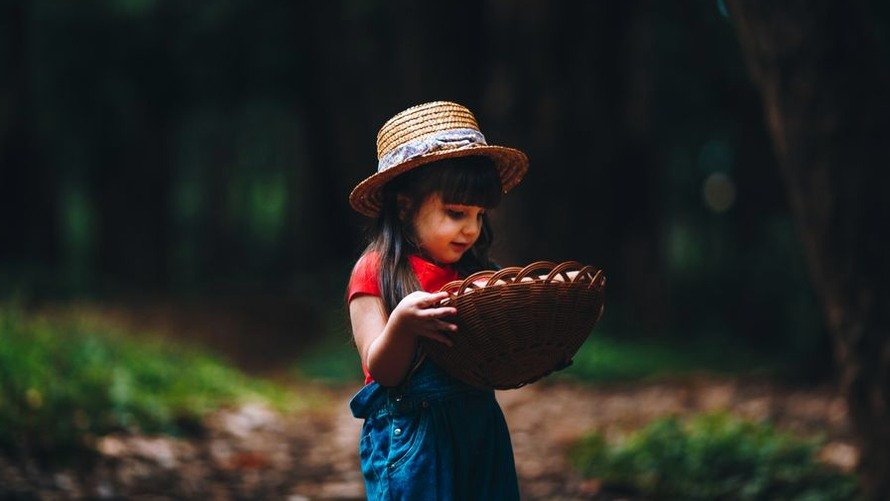
biscuit the lost hat and the little girl works well as a low-cost preschool story because its action needs only a few simple props and several speaking roles. The main expense comes from staging materials, costumes, rehearsal time, and any permission required for a public performance. The published story does not provide ticket prices, licensing fees, or a fixed production tariff, so a responsible budget must separate confirmed details from local costs.
What the story requires on stage
The plot follows Biscuit, a small mouse who finds a straw hat in a meadow. He first uses it as shelter from rain, while Ginger the squirrel sees it as a fashionable accessory. Mabel the crow wants to turn it into a nest, and Toby the frog imagines a hat-boat. The owner, a little girl, eventually explains that the hat was a birthday gift from her grandmother.
This structure keeps the production simple. One hat carries the story from scene to scene, so the group does not need several large set pieces. A basket of strawberries, a mirror, a tree, a pond, and a meadow complete the visual setting.
- A bright green-and-red scarf can represent the berry meadow.
- A straw hat serves as the central prop and should withstand repeated handling.
- A second scarf in blue can suggest the pond without building a stage backdrop.
- A small mirror supports Ginger’s dressing-up scene.
- A basket with artificial or paper strawberries identifies the girl’s activity.
- A decorated tree or a simple spruce branch can mark the forest setting.
These choices reduce construction work, which matters when a kindergarten has limited preparation time. They also make scene changes quicker because children can move lightweight objects without adult assistance.
How to calculate the production budget
Start with materials already available at the kindergarten. A scarf, mirror, basket, and basic headwear may require no new purchase. The remaining cost depends on the condition of the props, the number of performers, and whether the group chooses handmade decorations or ready-made items.
A practical calculation has four parts:
- List the props named in the story and mark each one as available, borrowed, handmade, or purchased.
- Price only the missing items, including fabric, paper, paint, fasteners, and safe child-friendly decorations.
- Add preparation time for cutting, sewing, painting, and testing the props during rehearsal.
- Reserve a small amount for replacement materials if the hat, basket, or scarves may be damaged.
The hat deserves special attention because several characters use it. A fragile decorative hat may look attractive but create an extra cost when it bends, tears, or becomes uncomfortable for a child. A lightweight straw hat with a secure fit is usually a better choice for repeated rehearsals.
Where the budget can become excessive
A full forest set is rarely necessary for this story. Large artificial trees, painted backdrops, and elaborate animal costumes increase spending without changing the central action. The audience can understand the setting from narration, a few color cues, and the children’s movement.
Costumes also need restraint. The production needs visual signs for a mouse, squirrel, crow, frog, and girl, but each role does not require a complete animal suit. Ears, a tail, a beak-shaped mask, or a colored accessory may communicate the character more safely and cheaply.
Do not attach small loose parts to masks or clothing used by preschool children. Check visibility, breathing comfort, sharp edges, and fastenings before rehearsal. A lower-cost prop that creates a safety problem is a poor saving.
Copyright and access considerations
The story is credited to Svetlana Demyanenko and marked © 2026 on the publishing page. Reading it privately at home or using it for classroom discussion differs from recording, selling tickets, publishing a script adaptation, or distributing copies. A kindergarten planning a public performance should check the permission terms with the rights holder or site operator before advertising the event.
The page states that the fairy tale is available in FB2 format for phones, tablets, computers, and e-book readers. That format can reduce printing needs during preparation, but the group should avoid redistributing the file or copying the complete text into public materials without permission.
The full story and its discussion prompts can be found at biscuit the lost hat and the little girl. The questions cover Biscuit’s morning plan, the hat’s appearance, each animal’s intended use, and the reason for the girl’s tears. Teachers can use them to rehearse comprehension before assigning lines.
Planning the performance without waste
Assign roles according to the children’s confidence and speech length. Biscuit, Ginger, Mabel, Toby, and the girl each have a clear purpose, while a narrator can connect the scenes and support children who need shorter lines.
Rehearse the movement of the hat carefully. It passes from the mouse to the squirrel, then to the crow, the tree, the pond, and finally the girl. Mark safe places on the floor for these handoffs so the prop does not fall into the audience or cause children to cross paths too quickly.
The discussion can continue after the performance. Children may explain why the animals wanted the hat, why the girl was upset, and why returning a lost item was the fair choice. That conversation adds educational value without requiring another purchase or a larger set.
Frequently asked questions
How many characters are needed?
The listed roles are Biscuit, the squirrel Ginger, the crow Mabel, Toby the frog, and the little girl. A narrator can cover descriptions and transitions.
What is the most expensive prop?
The source gives no prices. In practice, the reusable hat may require the most attention because several scenes depend on it.
Can children perform the story with simple costumes?
Yes. Small visual details such as ears, a tail, a beak, or a colored accessory can identify each character.
Is permission needed for a public performance?
Check the rights terms before charging admission, recording the show, publishing an adaptation, or distributing copies of the text.
Write a comment