Apple Watch Ultra 3, Series 11, and SE 3: Apple’s 2025 Lineup Just Made Every Other Smartwatch Obsolete

- The Ultra 3: Where “Overbuilt” Meets “Overprepared”
- Series 11: The Sweet Spot Finally Gets Sweeter
- SE 3: Entry-Level, Exit Excuses
- Which Watch Is “The One”?
Apple’s September event is never just about specs. It’s a cultural checkpoint. A ritual where Cupertino reminds the world that, yes, they still set the pace, and yes, your current device suddenly feels a little dated. This year? The wrist took center stage. Apple unveiled not one, not two, but three watches: the adventure-built Ultra 3, the finely tuned Series 11, and the surprisingly ambitious SE 3.
Individually, they’re interesting. Together, they form a story: Apple has redefined the “wrist computer,” not by reinventing it, but by quietly perfecting it. And if you’ve ever wondered which one deserves a spot on your arm, buckle in — we’re about to walk through everything Apple revealed.
The Ultra 3: Where “Overbuilt” Meets “Overprepared”
Remember when the first Ultra dropped and everyone laughed at the size? That big titanium block, the bright orange button, the crown that looked like a gear knob? Apple called it a tool for “explorers.” Everyone else called it overkill. Fast forward to 2025 and Ultra 3 has gone from curiosity to crown jewel.
At first glance, it’s the same rugged 49mm titanium slab you already know. But the magic is in the details. The bezel shrinks, the screen grows, and suddenly you’ve got the biggest, brightest, most legible Apple Watch yet. 3,000 nits of pure daylight power, dimming down to a single nit at night so you don’t blind yourself in the tent. The always-on face now ticks second by second — so yes, it finally feels like a real watch, not just a clever slab of pixels.
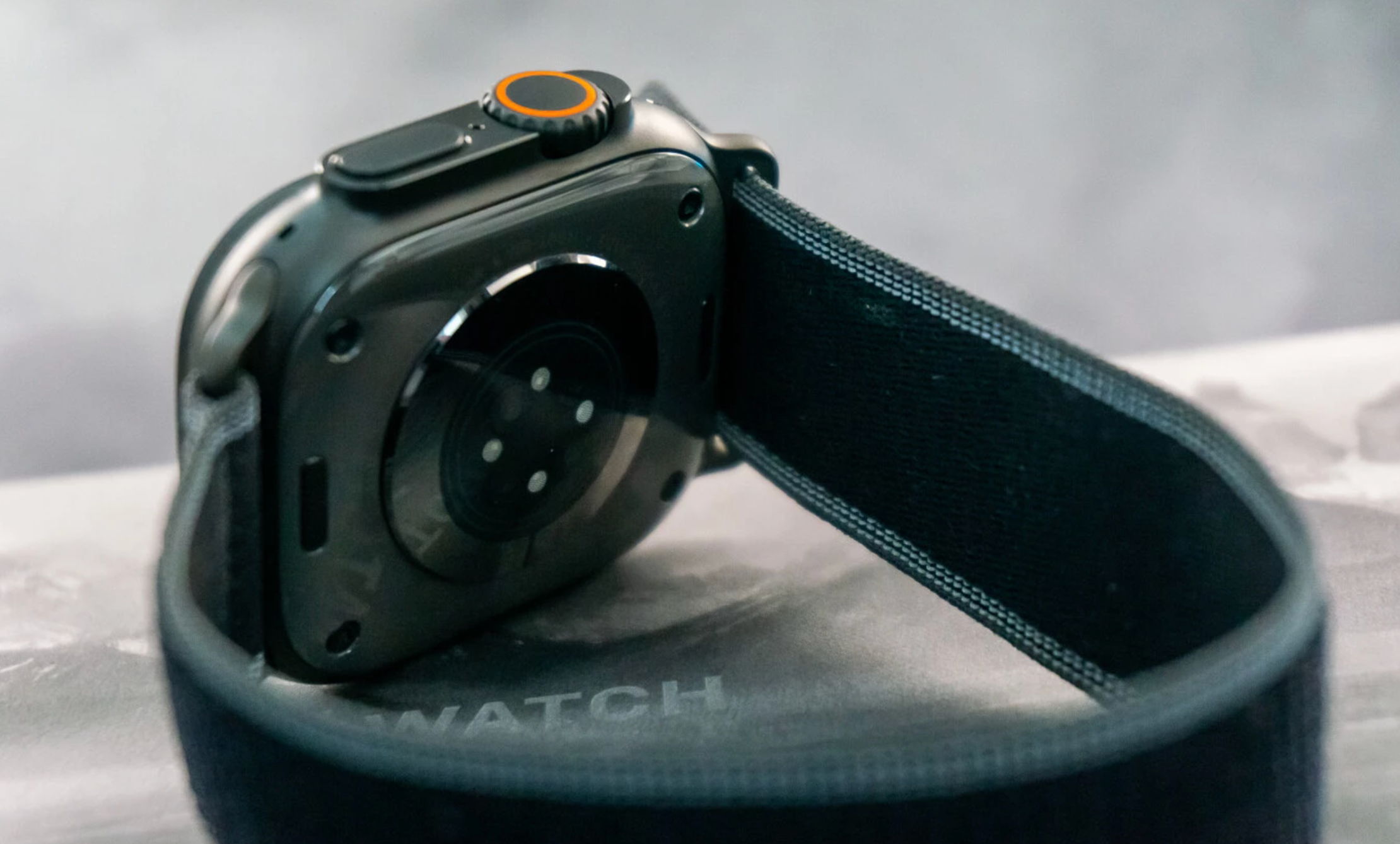
Apple Watch Ultra 3. Picture provided by the author.
But here’s the thing: the Ultra 3 isn’t just brighter. It’s braver. Apple added satellite connectivity, which means your watch can literally talk to space. Off-grid? Lost in the Alps? Training for a desert marathon? You can ping your location, call for help, or send a message even without cell towers. It’s the kind of feature that sounds overblown — until you actually need it.
Oh, and 5G is here too. Faster downloads, smoother streaming, and the freedom to leave your phone at home. Pair that with 42 hours of normal use (72 on low power) and you’re looking at a device that finally understands adventure doesn’t stop when your battery does.
Verdict? The Ultra 3 is no gimmick. It’s the kind of tool that feels excessive — until it isn’t. And then you’ll wonder how you ever lived without it.
Series 11: The Sweet Spot Finally Gets Sweeter
The Series has always been Apple’s “default” watch. The one you see in coffee shops, gyms, and offices. The one most people buy without overthinking. With the Series 11, Apple doubled down on that mainstream dominance.
First, they slimmed it down. At 9.7mm thin, Series 11 is the most discreet Apple Watch yet — light, refined, and forgettable in the best possible way. Aluminum models now come with Ion-X glass coated in ceramic, which makes them tougher than before. If you want the premium touch, titanium is still on offer, this time paired with sapphire crystal.
The display? Still OLED, still gorgeous, but now with the same always-on second-by-second updates you’ll find on Ultra. Apple calls the interface “Liquid Glass” in watchOS 26, and it’s one of those details that sounds like fluff until you use it. Everything feels sharper, smoother, more alive.
Battery life finally hits a full 24 hours, so yes, you can wear it through the day and into sleep tracking without praying you remembered the charger. And if you forget? 15 minutes gets you a full night’s charge.
But the real quiet revolution here is health. Series 11 now watches for hypertension patterns, giving you an early nudge if your blood pressure’s trending high. Combined with sleep scoring, apnea detection, and temperature sensing, this is less “fitness tracker” and more “wellness partner.”
The kicker? It’s all powered by the new S10 chip, which makes gestures like wrist flicks, live translations in Messages, and contextual Smart Stacks feel effortless. It’s not just faster — it’s smarter.
Series 11 doesn’t scream for attention. It just quietly makes itself indispensable.
SE 3: Entry-Level, Exit Excuses
The SE has always been the “baby” Apple Watch. The one you buy for kids, or as a cheap way into the ecosystem. That’s over. With SE 3, Apple erased the compromise.
The design is familiar, but the glass is now 4x tougher. And for the first time, you get an always-on display — something once locked behind paywalls of premium. That one change alone makes SE 3 feel less like a hand-me-down and more like a real watch.
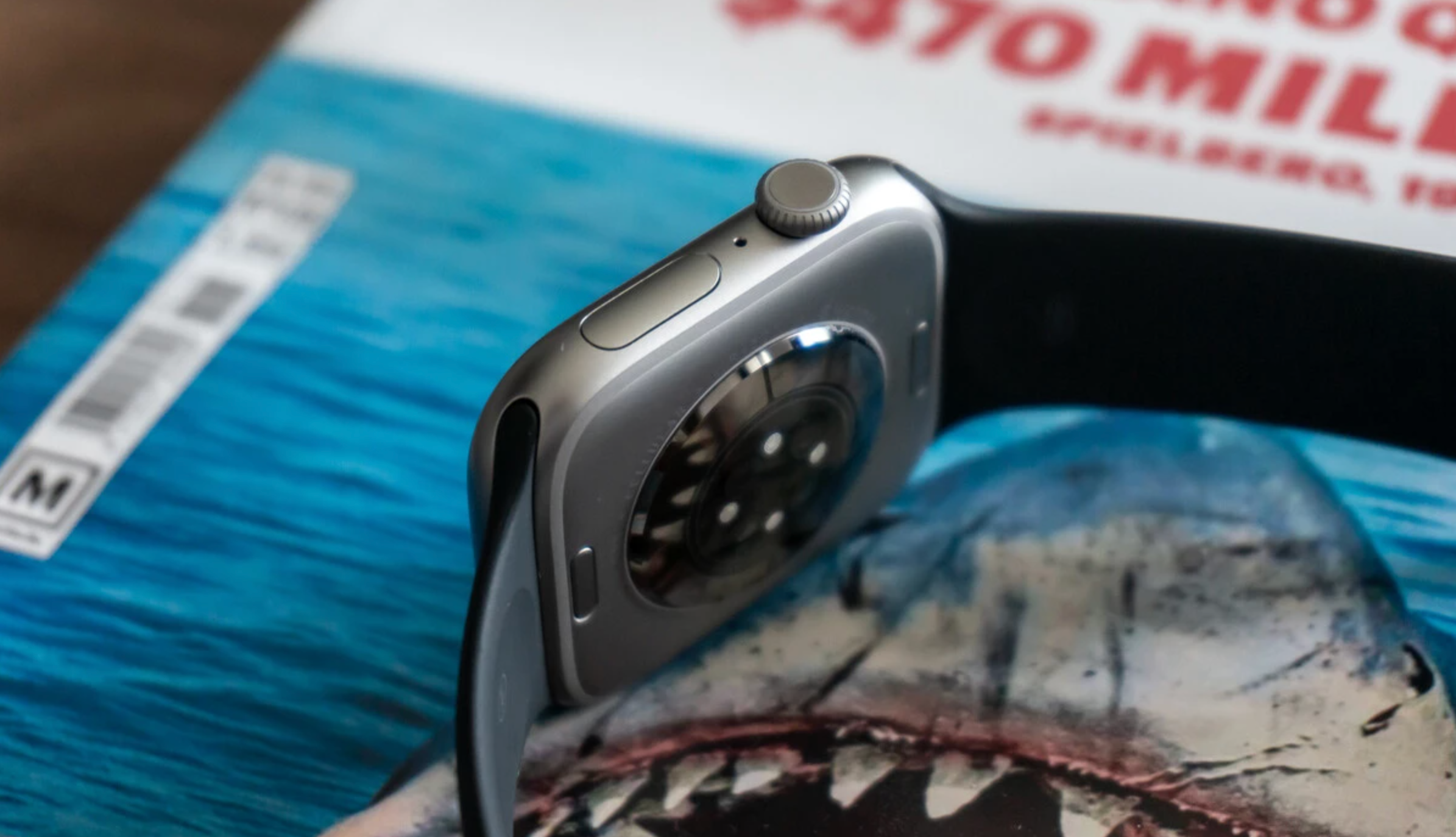
Apple Watch SE 3. Picture provided by the author.
The new S10 chip runs the show, unlocking the same double-tap gestures and snappy performance as the Series 11. It even gets 5G, fast charging, and on-device Siri. The result? It never feels like the “budget” option in day-to-day use.
Battery still hits 18 hours, but with quick-charge giving you 8 hours from a 15-minute top-up, the anxiety’s gone. Health tracking is solid too — temperature sensing, sleep scoring, ovulation estimates, apnea detection. Yes, no ECG or blood oxygen, but at $239, that’s a trade-off most people won’t mind.
If the old SE was training wheels, SE 3 is a full-grown bike. Affordable, but not compromised.
Which Watch Is “The One”?
This is the part where you expect a tidy answer. But here’s the truth: Apple didn’t design one “winner.” They designed three.
The Ultra 3 is for people who need gear that can literally save their life in the wild.
The Series 11 is for people who just want the best all-rounder Apple’s ever built.
The SE 3 is for people who thought they couldn’t afford a real Apple Watch — and just found out they can.
This is less about reinvention, more about refinement. But don’t mistake quiet polish for stagnation. With satellite, tougher glass, longer battery, and health features that keep nudging into medical territory, Apple’s 2025 lineup feels like the point where the wrist computer stops being a gadget — and starts being infrastructure
Write a comment