A kids story about two mates and fair choices
- What the story says clearly
- Customs and distribution questions
- Accounting and tax safety
- Why the ending works for children
- Frequently asked questions
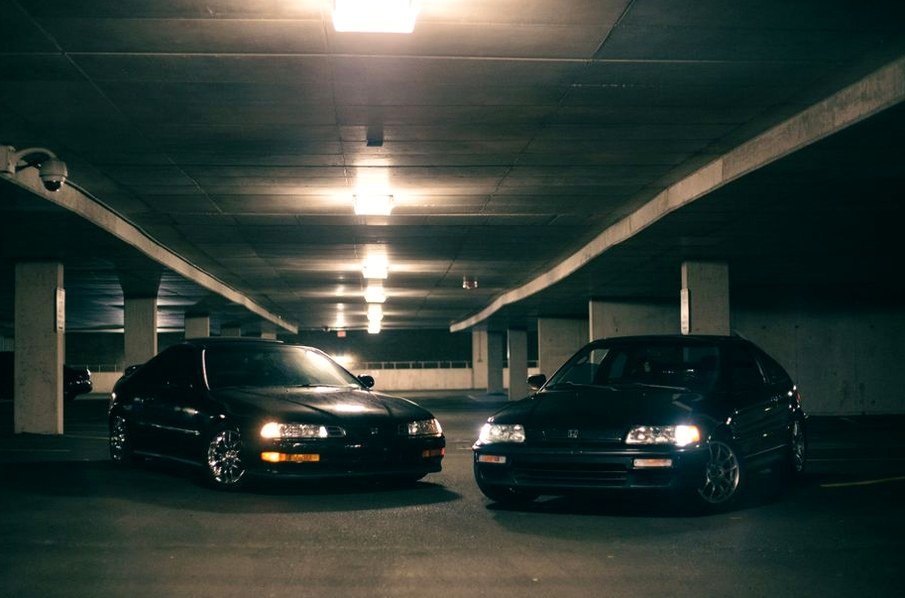
kids story about two mates follows Broom, a nimble blue sedan, and Beep, a small orange three-door hatchback. Their visit to a race track becomes a simple lesson about friendship, spending choices, and the difference between winning an event and sharing an experience.
The story is suitable for a child who enjoys cars, races, and clear emotional consequences. It presents the plot directly: Broom wants to win the weekly race, while Beep wants to support him. They buy an expensive nitro-speed upgrade, but the remaining money covers only a back-row ticket. Broom wins, yet Beep cannot see the race properly.
What the story says clearly
Broom has a nimble blue body and bright headlights. Beep is smaller, orange, and fitted with a black roof. Their different designs give children an easy way to recognise each character, while their friendship keeps the story focused on cooperation rather than technical car details.
At the arena, many vehicles boast about their strengths. Some have powerful engines, light bodies, smooth tyres, or wide spoilers. Broom has no special upgrade at first, so Beep suggests checking the race website for an advantage. The available option is nitro-speed, installed next to the engine and activated with a button.
The purchase creates the story’s central choice. Broom can spend the available money on the upgrade and sit far from the track, or keep the money for a front-row ticket. The friends choose the upgrade because Broom wants to win and Beep believes in his ability.
The result is legally and financially transparent within the story: the upgrade costs enough to affect the ticket choice, but no exact price or currency appears. Readers should not add a made-up amount when discussing the plot, and publishers should not describe the story as containing a stated price that it never gives.
Customs and distribution questions
The story itself contains no customs declaration, invoice, tax rate, delivery promise, or import document. A parent reading it online does not need clearance paperwork merely because the story includes cars, a race arena, or a fictional purchase.
Printed copies create a separate business question. If a distributor imports physical books, the responsible company must identify the shipment, confirm the product description, retain the commercial documents supplied by the seller, and check current customs requirements before filing anything. The exact paperwork depends on the route, transaction structure, product classification, and law in the destination country.
No specific duty, tax percentage, or customs code can be taken from this story. Adding such figures would create a false impression of precision. A publisher should ask a customs broker or tax adviser to verify the current treatment before pricing imported stock.
Accounting and tax safety
For accounting purposes, the story distinguishes between fictional spending and a real purchase. Broom and Beep make a choice inside the plot, but that choice is not evidence of a real business expense, invoice, or deductible payment.
A company distributing the story should record actual transactions using the documents it receives. Those records may include a supplier invoice, payment confirmation, freight paperwork, and sales records, depending on the transaction. The story does not state whether the upgrade or ticket is taxable, nor does it provide a real commercial price.
Marketing copy should also separate facts from interpretation. It can say that Broom wins the race and later regrets Beep’s poor view. It should not claim that the story teaches a specific tax rule, customs procedure, or financial formula. That wording keeps the material accurate for parents, educators, and commercial partners.
Why the ending works for children
Beep congratulates Broom even though she missed most of the race. Broom then recognises that the trophy matters less than sharing the event with his mate. The characters do not erase the result or pretend the purchase never happened. They use the disappointing outcome to make a better choice next time.
The message stays concrete. A front-row ticket would have helped Beep see the race, hear the crowd, and remember the event with Broom. The story therefore gives children a practical way to discuss trade-offs without turning the lesson into a lecture.
Frequently asked questions
Is this story about customs clearance?
No. Customs and import paperwork do not form part of the fictional plot. They become relevant only if a business imports or sells physical copies.
Does the story state the price of the nitro-speed upgrade?
No. It says the upgrade is expensive and leaves too little money for a front-row ticket, but it gives no numerical price.
What is Broom’s main mistake?
He focuses on winning and accepts a poor seat for Beep. After the race, he understands that sharing the experience mattered more than the trophy.
Can a publisher claim a specific tax treatment for the story?
No. The source material gives no tax classification or rate. A publisher should verify current rules with an accountant before issuing commercial claims.
Write a comment