The tale of the unheard story for kids
- What the story is really about
- How the story presents communication risk
- What buyers can learn from the children’s mistakes
- Why guarantees need clear wording
- How to read the story safely with children
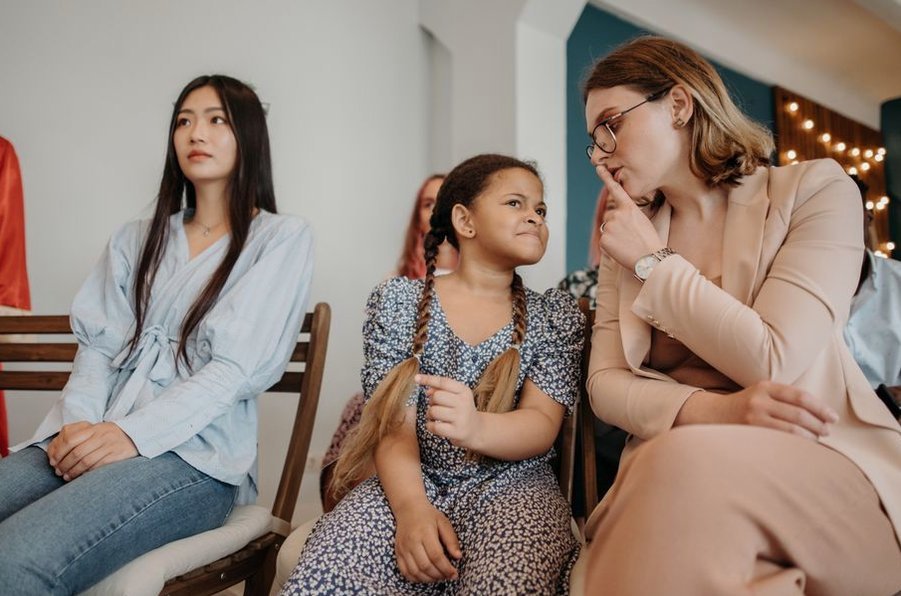
The tale of the unheard story for kids is built around a simple communication risk: a message can disappear when the listener interrupts, becomes distracted, or focuses on a different detail. The story follows the gnome Fyodor, who has only ten minutes to ask a child for advice about a kind dragon and a fading gemstone. For parents, the useful lesson concerns attention, trust, and the safe delivery of an important message.
What the story is really about
Fyodor visits children from a non-magical land because the wizard Elizard believes they can offer the right advice. The fairy-tale helpers need help with Roma, a kind dragon whose garden grows precious stones. One purple stone begins to fade, but the children never hear the full problem.
Anya is frightened when she hears the word “dragon.” Once she learns about rubies and golden stones, her imagination carries her away. Yura is excited by the gnome’s arrival and immediately starts talking about his lost tooth, a remote-control car, and a basketball. Both children miss the information that could have helped the dragon.
The risk is easy for a child to understand. When details arrive in the wrong order, the listener may react to one exciting word and lose the actual request. A message then reaches its destination incomplete, like cargo that arrives with part of its contents missing.
How the story presents communication risk
The ten-minute limit creates pressure. Fyodor must explain a complicated situation quickly, but he also needs the child to listen carefully. His urgency makes the conversations harder because he tries to continue while the children respond to separate thoughts.
This is useful for discussing first shipments, instructions, or promises with older children. A fragile item needs clear handling instructions, and a serious request needs a listener who understands the full sequence. If one detail disappears, the sender may expect one action while the receiver prepares for another.
The tale does not include freight, commercial contracts, prices, or formal guarantees. Those subjects should not be added as plot facts. They can, however, provide a practical comparison: before sending something valuable, people need agreement about what will be sent, how it will be protected, and what happens if the plan fails.
What buyers can learn from the children’s mistakes
A first-time buyer often reacts to the attractive part of an offer before checking the conditions. Anya hears about shining stones and immediately imagines pink rubies and golden gems. Yura becomes interested in his own news instead of hearing the problem.
The same behavior can create trouble when someone orders cargo for the first time. A buyer may focus on a low quoted price or an appealing product while overlooking packing requirements, delivery limits, damage procedures, or the meaning of a guarantee. The story encourages a safer order of action: hear the entire message, repeat the essential details, and only then decide.
- Ask what is being sent and what condition it must reach the recipient in.
- Check which risks the sender accepts and which risks remain with the buyer.
- Write down the agreed handling instructions before the shipment begins.
- Confirm what evidence will be needed if an item arrives damaged or incomplete.
These points are practical safeguards, not details from the fairy-tale land. They help children connect the story’s emotional problem with an everyday responsibility: excitement should not replace careful listening.
Why guarantees need clear wording
Fyodor needs help, but the children never agree on what they have heard or what they will do. That missing agreement makes the request unsafe. In a real purchase, a verbal promise can create the same uncertainty if nobody records its limits.
A useful agreement should identify the item, its condition, the protection required, and the response to loss or damage. It should also state whether the guarantee covers the full value or only a specific service. Without those details, the word “guarantee” may sound stronger than the actual protection.
For a child, this can be explained through the dragon’s gemstone garden. If someone promises to protect one purple stone, the group must know which stone, what protection means, and what happens when the stone fades. Otherwise, every character may remember a different promise.
How to read the story safely with children
Read the first part without interruption, then ask the child to retell Fyodor’s request in their own words. This checks whether the central problem survived the exciting details about dragons, gemstones, stars, and magical appearances.
Ask three direct questions: Who needs help? What is happening to the garden? Why does Fyodor need a child from a non-magical land? If the child cannot answer, return to the relevant passage instead of supplying the answer immediately.
Next, invite the child to create a simple safety agreement for the next visit. The agreement might say that Fyodor speaks first, the listener waits until the explanation ends, and questions come afterward. That small exercise turns the story’s main conflict into a clear communication habit.
Before using the tale in a lesson or family discussion, read it once without distractions and mark the exact point where the request becomes unclear. Then prepare two questions for the child: what information was missed, and what rule would help the next listener receive it completely?
Write a comment