Copenhagen Without Regret
- The Geography of the Capital
- Logistics and Movement
- Exploring the Neighborhoods
- Landmarks and Cultural Institutions
- The Culinary Scene
- Practical Considerations
Colorful, clean, and genuinely worth the effort of exploration, Copenhagen is a city that rewards those who appreciate the finer details of urban life.
Copenhagen is frequently cited as one of the most functional and pleasant cities in the world. In 2025, it once again secured the top spot on the Global Liveability Index, a designation that becomes easier to understand the moment you begin moving through its streets. The city does not rely on grand, overwhelming monuments to impress its visitors. Instead, it offers a consistent level of quality in its infrastructure, its public spaces, and its general atmosphere.
For those visiting for a day, the city provides a sense of calm that is rare for a national capital. It is a place where the air feels clear, the water in the harbor is clean enough for swimming, and the sound of bicycle tires on pavement often outvolumes the sound of car engines. It is a destination that invites you to slow down and observe how a modern city can be designed with the well being of its inhabitants as the primary focus.
The Geography of the Capital
Copenhagen is situated on the eastern coast of the island of Zealand, facing Sweden across the Oresund strait. The city is defined by its relationship with water. A series of canals and a large harbor divide the central areas, creating a landscape that feels open and airy even in the most densely built neighborhoods.
The historic center, known as Indre By, is a knot of medieval streets and colorful townhouses. Branching out from this core are the “bridge quarters” such as Vesterbro, Nørrebro, and Østerbro. Each of these districts was originally a separate suburb but they are now seamlessly integrated into the city fabric. Understanding the layout of these neighborhoods is essential for anyone who wants to see more than just the primary tourist sites.
Logistics and Movement
The efficiency of Copenhagen is perhaps best reflected in its transportation network. Navigating the city is a straightforward process, provided you understand the different modes available.
The Metro. The Copenhagen Metro is one of the most advanced systems in Europe. It is fully automated and runs twenty four hours a day. The Cityring line, which opened in recent years, connects all the major neighborhoods in a continuous loop. Most stations feature a minimalist, clean design that makes them easy to navigate. Payment is simple, as contactless credit cards and mobile payment systems are accepted at all entry points.
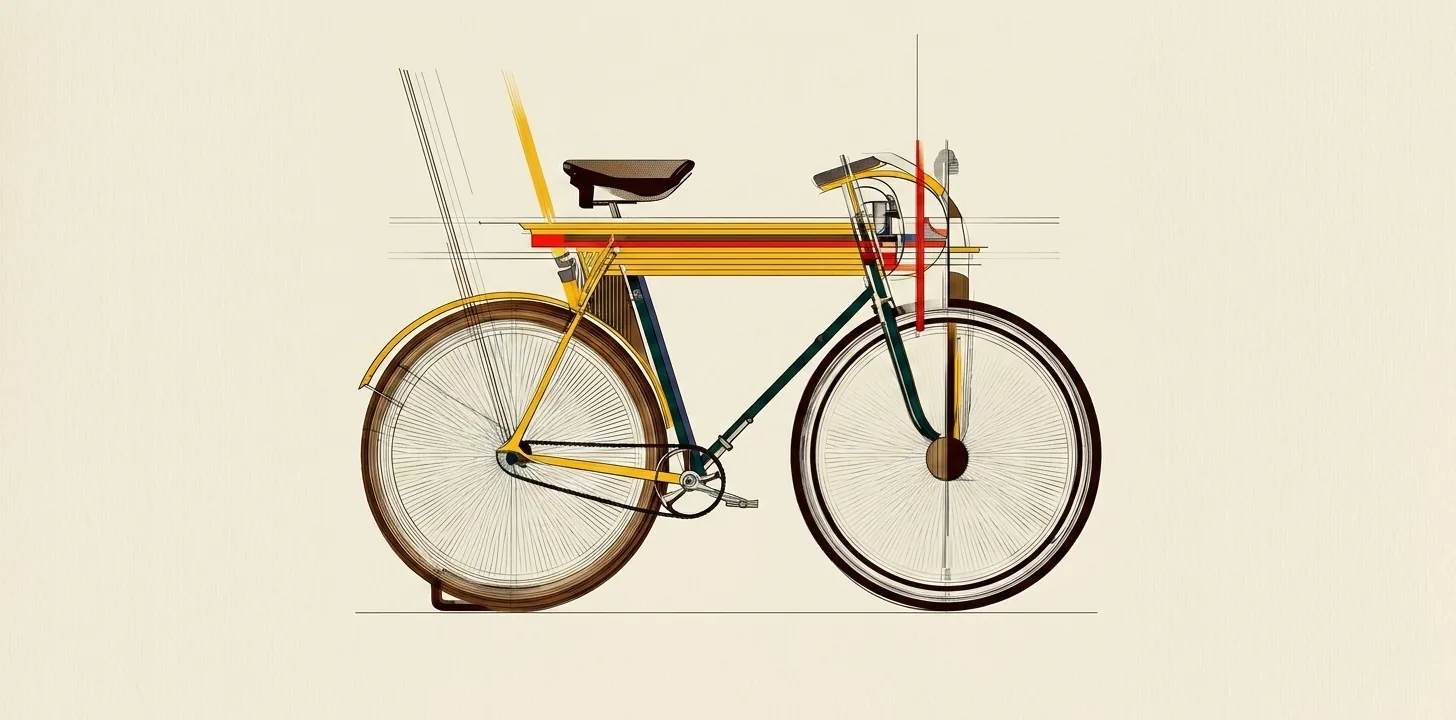
Bicycles. You cannot discuss Copenhagen without mentioning its bicycle culture. More than half of the city’s residents commute by bike every day. The infrastructure is world class, with dedicated lanes that are physically separated from car traffic. For a visitor, renting a bike is the most authentic way to see the city. It allows you to cover large distances quickly while staying at street level. However, it is important to follow the local rules of the road, as the bicycle lanes move with a serious and purposeful energy.
Walking. The city center is largely pedestrianized and very flat, making it ideal for walking. Many of the major landmarks, such as the Round Tower and the Christiansborg Palace, are within a ten minute walk of each other. Even the walk from the city center to the iconic Little Mermaid statue is a pleasant journey along the harbor front that takes about thirty minutes.
Exploring the Neighborhoods
Each district in Copenhagen carries a specific identity. Moving between them offers a glimpse into the different layers of Danish society.
Indre By (The Inner City). This is where you will find the classic sights. Nyhavn, with its seventeenth century waterfront and brightly colored houses, is the most photographed spot in Denmark. While it is very popular with tourists, it remains a beautiful place to sit by the water. Nearby, the Latin Quarter offers narrower streets and older architecture, housing a variety of independent bookstores and small boutiques.
Christianshavn. Located across the harbor from the city center, this neighborhood is defined by its Dutch style canals and 19th century warehouses. It has a more bohemian feel than the rest of the city. It is also home to the Church of Our Saviour, famous for its external spiral staircase that offers panoramic views of the entire region.
Vesterbro. Once the city’s industrial heart and red light district, Vesterbro has transformed into a hub for food and design. The Meatpacking District, or Kødbyen, is a highlight of this transformation. The original white tiled buildings now house some of the city’s best galleries and restaurants. It is an area that feels modern and energetic, particularly in the late afternoon and evening.
Nørrebro. This is the most culturally diverse neighborhood in Copenhagen. It is known for its vibrant street life and its innovative public spaces, such as Superkilen Park. Nørrebrogade, the main artery of the district, is lined with a mix of traditional Danish bakeries and international grocery stores. It is also where you will find the Assistens Cemetery, a tranquil park where Hans Christian Andersen is buried.
Landmarks and Cultural Institutions
The Round Tower. Built in the seventeenth century as an astronomical observatory, the Round Tower features a unique equestrian ramp instead of stairs. Walking up the wide, spiraling corridor provides an interesting architectural experience and leads to an outdoor platform with views over the red tiled roofs of the old city.
The National Museum of Denmark. Located in a former royal palace, this museum covers the entirety of Danish history, from the Viking Age to the present day. The exhibits are well designed and provide necessary context for understanding the development of the Danish state and its unique social model.
Tivoli Gardens. This is one of the oldest operating amusement parks in the world. Located in the heart of the city, it served as an inspiration for later theme parks globally. Even if you do not have an interest in the rides, the gardens themselves are meticulously maintained and the evening lighting is spectacular. It is a rare example of an amusement park that manages to feel elegant rather than commercial.
The Black Diamond. This modern extension to the Royal Danish Library is a striking piece of contemporary architecture. Its dark, polished granite exterior reflects the water of the harbor. Inside, the building features large open spaces and excellent views, serving as a quiet place for study and reflection.
The Culinary Scene
Copenhagen has gained global recognition as a culinary capital, largely due to the New Nordic movement. This philosophy emphasizes local, seasonal ingredients and traditional preservation methods like fermenting and pickling.
Torvehallerne. This covered food market near Nørreport station is an essential stop for any visitor. It consists of two large glass halls filled with over sixty stalls. Here you can find high quality Danish produce, fresh seafood, and artisan coffee. It is also one of the best places to try smørrebrød, the traditional Danish open faced sandwich. These are often works of art in themselves, featuring carefully arranged toppings on dense rye bread.
Street Food at Reffen. For a more casual dining experience, many people head to Reffen on the Refshaleøen peninsula. This is a large outdoor market housed in shipping containers, offering a wide range of international cuisines. It is situated right on the water and provides a great view of the city skyline as the sun sets.
Practical Considerations
Visitors should be aware that Copenhagen is one of the more expensive cities in Europe. Prices for dining, transport, and accommodation are high compared to southern European destinations. However, the quality of what you receive is generally very high.
The weather in Copenhagen is variable and can change quickly. Even in the summer, it is wise to carry a light waterproof layer. The city is also very safe, with low crime rates and a high level of social trust. You will often see parents leaving strollers outside cafes, a common sight that reflects the general security of the environment.
The Danish concept of hygge is often mentioned in travel guides, and while it is hard to define exactly, you will notice it in the way the city is lit at night and the cozy atmosphere of its cafes. It is a focus on creating a warm, pleasant environment for social interaction.
Copenhagen is not a city that demands your attention with loud or flashy attractions. It is a place that functions quietly and efficiently, allowing you to enjoy the simple pleasures of urban life. Whether you are cycling through the park, exploring a world class museum, or simply sitting by the canal with a coffee, the city offers a level of comfort and aesthetic satisfaction that is difficult to match.
Copenhagen is a reminder that a city can be both modern and human. It is a place where functionality and beauty are treated as two sides of the same coin.
Write a comment