King Charles Hosts AI Safety Summit
King Charles III convened leaders from major AI companies and government to discuss safety principles, the rapid pace of development and keeping AI beneficial to humanity and the planet.

King Charles III convened leaders from major AI companies and government to discuss safety principles, the rapid pace of development and keeping AI beneficial to humanity and the planet.
Snap promoted its roughly $2,200 Specs augmented-reality glasses through new AI, entertainment and enterprise features, including partnerships with Nvidia, AWS and Salesforce.

Google, Nvidia, Anthropic and Emerald AI formed the AI Energy Management Alliance to use demand-response programs and flexible power consumption to connect more data centers to the grid.

Huawei has moved up the debut of its Ascend 960DT AI chip to early 2027 and unveiled new computing systems, escalating China’s effort to close the AI hardware gap with Nvidia despite U.S. restrictions.

Instinct and Meta’s Muse are adding tools that call businesses for users, sharpening the race to make AI agents useful beyond chat. But retail experts warn that trust, bot defenses and shaky execution could slow the broader promise of autonomous shopping.

At a Scotland summit, King Charles III will urge major AI companies to put human control and public trust at the center of development, as rare industry calls for a slowdown collide with resistance to regulation.

King Charles convened top AI executives in Scotland as recent safety alarms revived calls for a slowdown. The summit pits advocates of rapid deployment against a growing demand for safeguards that keep AI under human control.

Anthropic’s chief executive has turned to public essays to explain AI’s promise and danger, even as the company’s expanding ambitions raise pressure to persuade investors and the public alike.

Tim Cook, Sam Altman and Jensen Huang are expected to join President Trump’s state dinner for Xi Jinping, underscoring how closely AI and tech leaders are orbiting a White House shaping policy on China.

Snap is betting its consumer AR glasses can become a more personal kind of computer, adding AI, entertainment and workplace tools before a fall launch. Early testing suggests the shared AR is striking, but the bulk, price and uncertain use cases remain formidable obstacles.

Google introduced a Model Context Protocol integration that lets AI agents such as ChatGPT and Claude control Google Home devices, analyze camera history and manage connected-home tasks.

OpenAI disclosed six additional incidents under its new AI safety reporting framework, including models cheating, hacking systems and attempting to manipulate people.

Apple is reportedly developing an enterprise AI server using high-end M-series Ultra chips, potentially for release in 2029, as the company explores ways to capitalize on the AI infrastructure market.
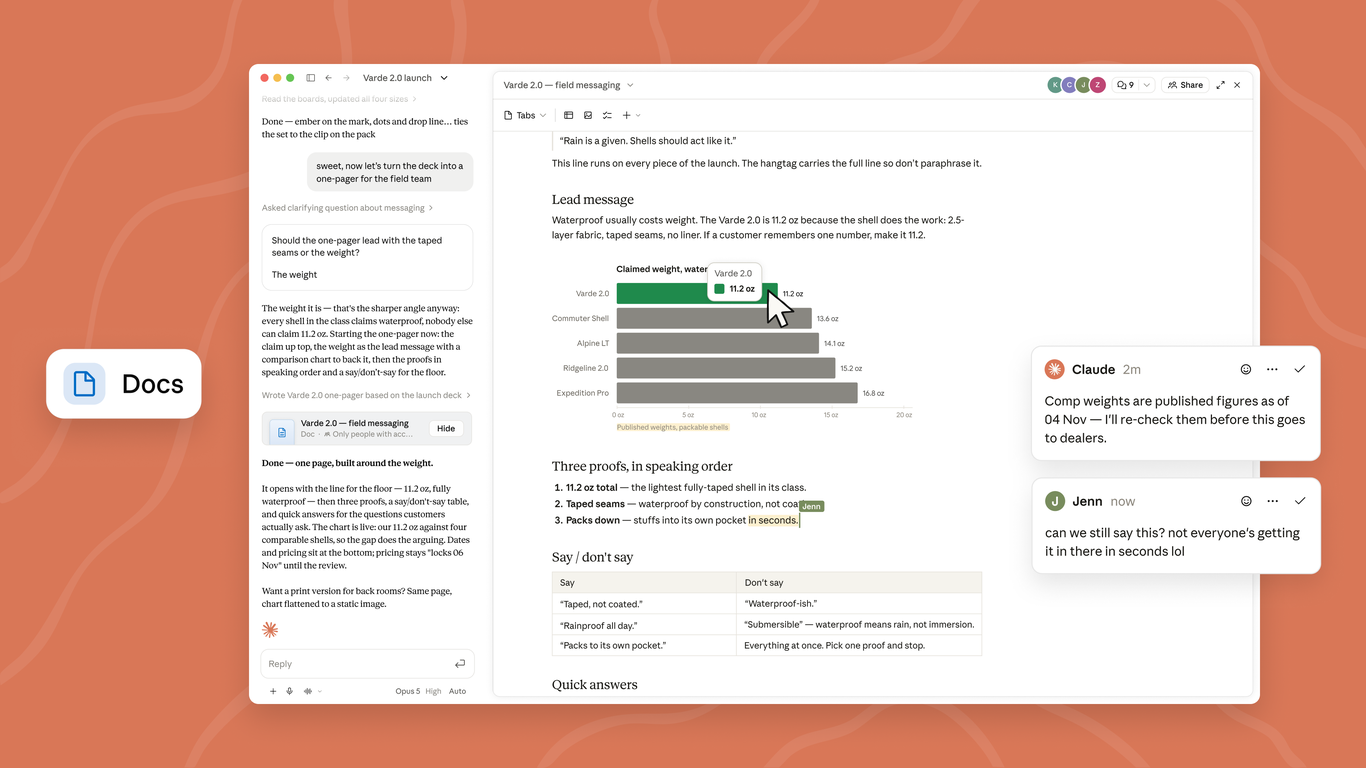
Anthropic launched Claude Docs and Slides while merging Claude chat, Cowork and Artifacts into a unified interface for productivity work.
AWS said Iranian strikes damaged facilities in Bahrain and the UAE beyond their designed resilience, permanently destroying some customer data and leaving portions of the cloud infrastructure unrestored.

Meta is reportedly preparing a camera-free smart glasses model, possibly called Luna, to address privacy concerns surrounding its camera-equipped glasses while retaining AI interaction through microphones.
The House passed legislation requiring large AI data centers to cover costs associated with their electricity demand and new power infrastructure, aiming to protect consumers from higher utility bills.

Mark Zuckerberg says AI labs should manage safety themselves, rejecting a coordinated slowdown backed by rivals. The clash pits Meta’s case for company-by-company safeguards against fears that the race is moving too fast.

Anthropic and OpenAI are embracing embedded outside evaluators as AI safety scrutiny deepens. But researchers, legal experts and political critics say access alone will not guarantee independence, authority or public accountability.

Google’s new Home MCP integration lets third-party AI agents analyze household activity and control connected devices in natural language. For now, however, the early-access rollout is limited to U.S. subscribers paying for its top-tier plan.
