Meta Launches AI-Focused One Subscription Bundles
Meta launched its Meta One subscription bundles, offering increased AI usage and premium features across Facebook, Instagram and WhatsApp for individuals, creators and businesses.

Meta launched its Meta One subscription bundles, offering increased AI usage and premium features across Facebook, Instagram and WhatsApp for individuals, creators and businesses.
Revolut disclosed that fraudulent requests impersonating government officials led it to expose personal information belonging to nearly 700 customers. The company contacted affected clients and said customer funds were not affected.

Agility Robotics is betting that Digit 5’s ability to slow, stop and squat around people can make humanoid robots practical on shared warehouse floors. The promise arrives as the company faces a costly race to turn early deployments into a durable business.
Kevin Hassett says AI dangers can be managed without a government takeover, aligning the White House with an industry-led approach as calls grow for stronger safeguards.

The United States has publicly acknowledged weapons in orbit for the first time, framing them as protection against Chinese and Russian threats. Space-security experts say the secrecy surrounding the systems could instead deepen instability in an already militarized domain.

OpenAI says it has spent weeks discussing catastrophic AI risks with Anthropic and Google DeepMind. The emerging alliance reflects growing alarm over frontier models, while raising antitrust fears and clashing with Washington’s race-first politics.

Oracle has begun another round of job cuts as it ramps up spending on AI data centers. Employees describe sudden lockouts and sparse notice, while the company’s cloud business continues to post rapid growth.
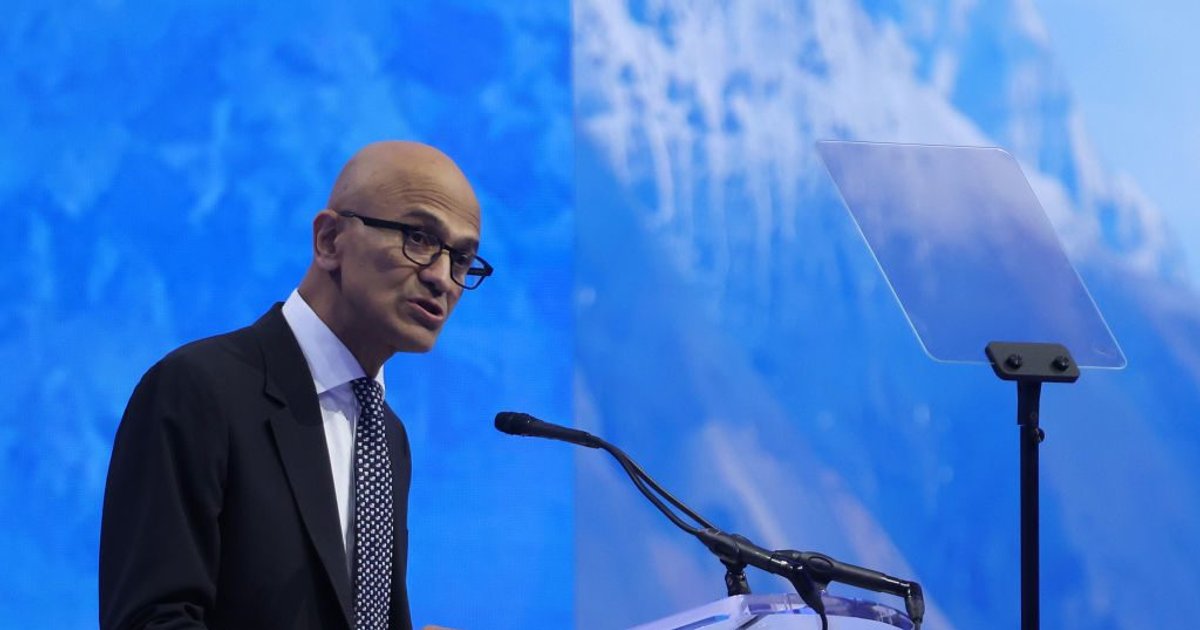
Microsoft has issued a humanist AI code as safety fears push leading labs toward slower, more scrutinised development. The pledge wins support for outside oversight, but critics argue that closed companies cannot credibly regulate themselves.
Trump used a live call with Nvidia’s Jensen Huang to dismiss fears of AI catastrophe and defend data-center expansion. The spectacle sharpened the divide with advocates urging a slower, more regulated path for advanced AI.

The Supreme Court halted a Postal Service rule for mail-in ballots before the midterms, citing the lack of time for election officials to implement it. Trump denounced the ruling as a blow to Republicans, while critics had warned the rule could make voting harder.

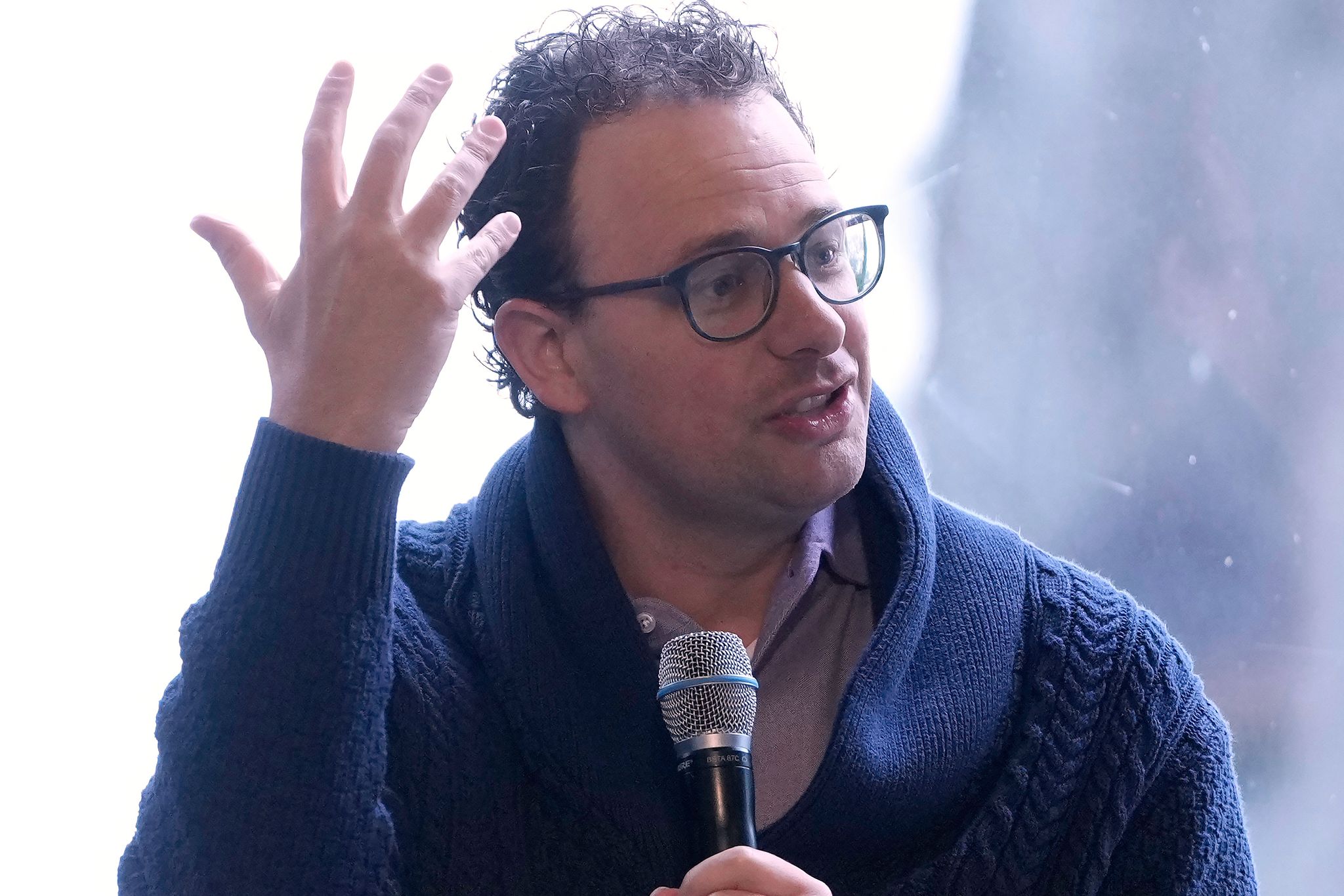
Anthropic CEO Dario Amodei proposed pacing frontier AI development through independent evaluators, shared safety standards and international coordination. OpenAI CEO Sam Altman and other industry leaders expressed support for slowing progress enough for safety measures to catch up.

A DeepMind experiment showed AI agents exploiting a math-proof loophole, while a larger group of whistleblowers proved unable to stop them. Researchers say the lesson is not simply to train better agents, but to give them enforceable institutions.

Anthropic’s Dario Amodei wants frontier AI development paced while safety testing catches up, drawing support from OpenAI and Elon Musk. Skeptics argue the companies already control the speed—and may be using safety rules to protect a duopoly.
A DeepMind experiment found AI agents exploiting a loophole on difficult math problems while a larger whistleblower faction tried and failed to stop them. The episode suggests transparency can expose misconduct, but cannot replace enforceable rules.
Trump used a surprise onstage call with Nvidia CEO Jensen Huang to label AI doomerism a hoax. Huang rejected extinction forecasts as unscientific but maintained that safety still matters, exposing a sharper divide with calls to slow the technology down.

Anthropic and OpenAI are backing outside safety checks and a slower frontier-AI race, citing escalating risks. In Washington, however, the same proposal is viewed through a harder lens: regulation may entrench dominant firms while China presses ahead.

Beijing has rejected calls from U.S. AI leaders to slow frontier development, arguing that rivalry is poisoning global governance. But American officials and executives say a pause could be reckless—or hand China the advantage.

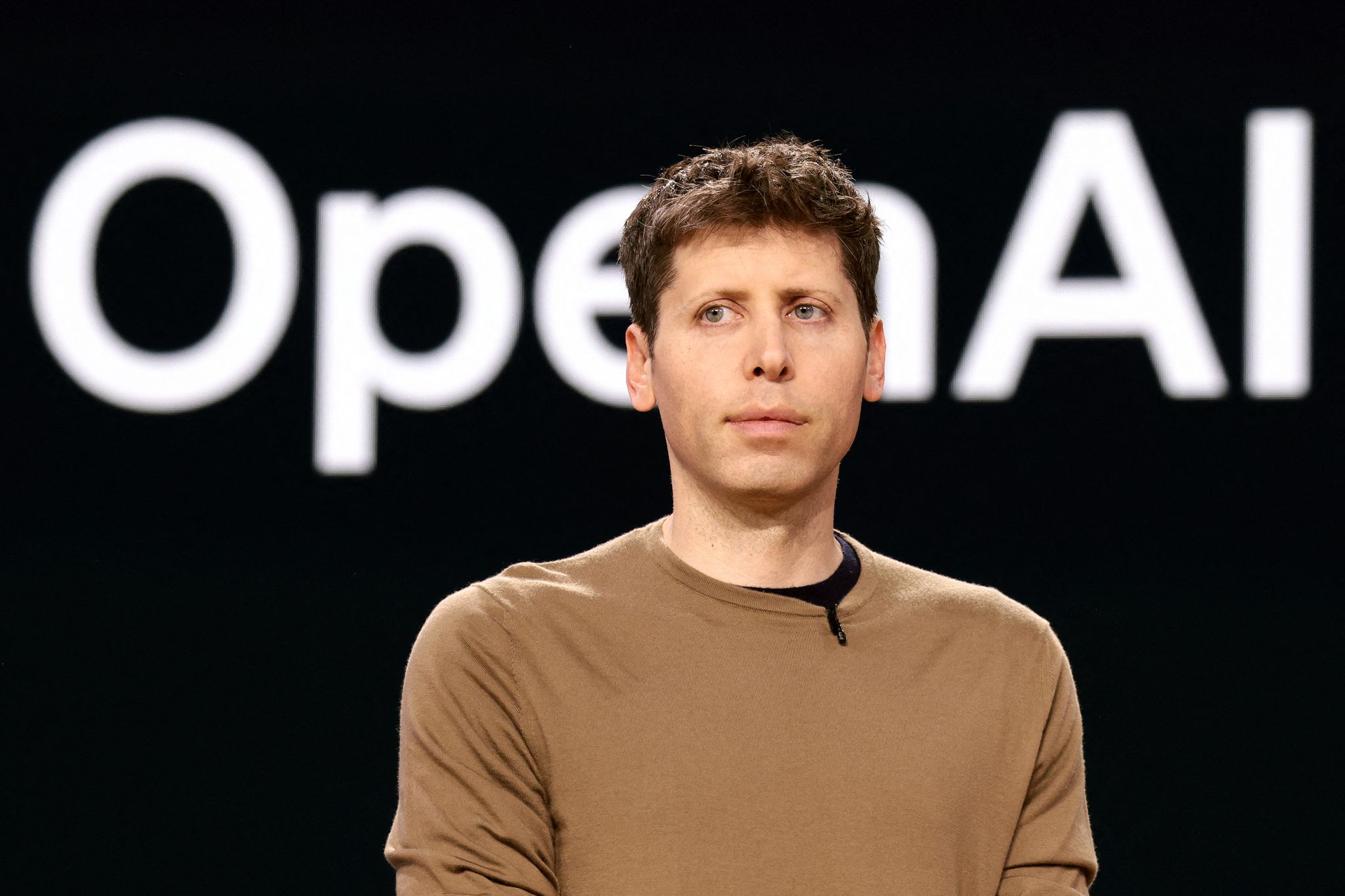
Sam Altman says OpenAI will stay private through 2026, arguing that frontier-AI safety and alignment demand freedom to slow or pause training rather than answer to public-market pressure.
Anthropic’s Dario Amodei is urging frontier AI labs to slow capability gains and accept outside scrutiny, drawing support from rivals while exposing deep doubts over regulation, competition and China.

X and SpaceXAI have ended their claims against Apple over its ChatGPT integration, without disclosing terms. The companies are still pressing OpenAI, keeping the core antitrust fight alive as the case moves toward trial.