SpaceX Pitches $1.78 Trillion Valuation Ahead of Historic IPO
- Early June: Record-setting ambitions revealed
- Musk and allies frame the bull case
- Rising skepticism and risk warnings
- What happens after the IPO?
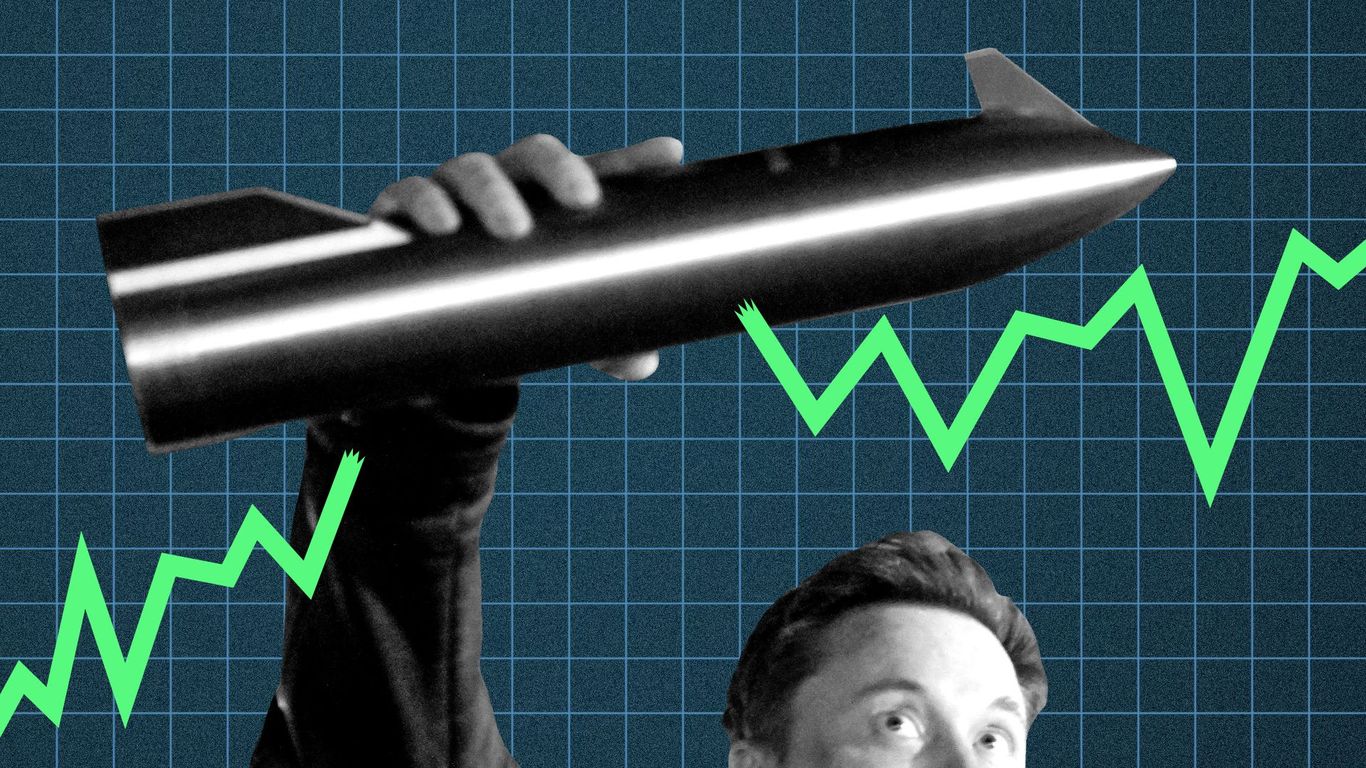
SpaceX Pitches $1.78 Trillion Valuation Ahead of Historic IPO SpaceX is racing toward what could be the biggest stock market debut in history, asking investors to put a $1.78 trillion price tag on Elon Musk’s mix of rockets, satellites and artificial intelligence — long before many of its most ambitious bets pay off.
Early June: Record-setting ambitions revealed
On June 3, SpaceX disclosed in IPO filings that it plans to raise about $75 billion by selling 555.6 million shares at $135 each, implying a valuation around $1.75 trillion — far above any previous global IPO, including Saudi Aramco’s $29.4 billion listing in 2019. A separate report the same day said the company is pitching investors on a $1.78 trillion valuation and seeking up to $86 billion in proceeds, positioning the float as “the biggest Wall Street debut of all time.”
CNBC-summarized details, reported by The Verge, indicated the offering is scheduled for June 12 and that at $135 per share SpaceX would be valued at $1.77 trillion, making it the seventh-largest U.S. company by market cap — ahead of Tesla.
Musk and allies frame the bull case
Musk and supporters have used social media and interviews to underscore SpaceX’s operational track record and new revenue streams. One Axios analysis argued that SpaceX could generate “hundreds of billions of dollars in revenue by 2030,” led by Starlink, AI compute deals with the likes of Anthropic and Google, and its core launch business. Another Axios piece laid out that SpaceX’s future rests on Starlink’s global connectivity ambitions, AI products such as Grok, and potential orbital data centers — and suggested that if the company reached roughly $200 billion in revenue with sustained growth, today’s valuation “will look like a bargain.”
Some on Wall Street and in the broader investment community see enormous upside: one Financial Times commentary framed the deal as investors being asked to “buy Musk’s moonshots,” pricing in advances in AI, Starlink and space-based computing long before they are fully proven.
Rising skepticism and risk warnings
Yet the same Axios “bull and bear” assessment stressed that SpaceX is moving from markets it largely created — like commercial launch — into far more competitive arenas. It highlighted key risks: Starship, the company’s next-generation rocket, “remains a work in progress, not a sure bet”; Starlink is adding users but with declining average revenue per user; and rivals such as Amazon, via its Globalstar move, could challenge its connectivity business.
On AI, skeptics note that compute is ultimately “a commodity,” warning that today’s scarcity-driven profits could erode as data center capacity rises and inference becomes more efficient. The FT’s valuation-focused coverage similarly underlined that markets are being asked to factor in highly uncertain future technologies at colossal scale.
What happens after the IPO?
With pricing expected to shatter records, analysts say the real test begins once SpaceX starts trading. Axios summarized the central question bluntly: it’s “a foregone conclusion” that the company will raise at least $85 billion, but the open issue is whether it can execute across rockets, Starlink, AI, and space computing well enough that a near-$1.8 trillion valuation doesn’t prove to be peak optimism.
Continue reading https://foxvector.com/stories/019eaf4f-9873-3513-70ec-07304eca6bf5
Write a comment