SpaceX Completes Record $75 Billion IPO, Making Elon Musk a Trillionaire
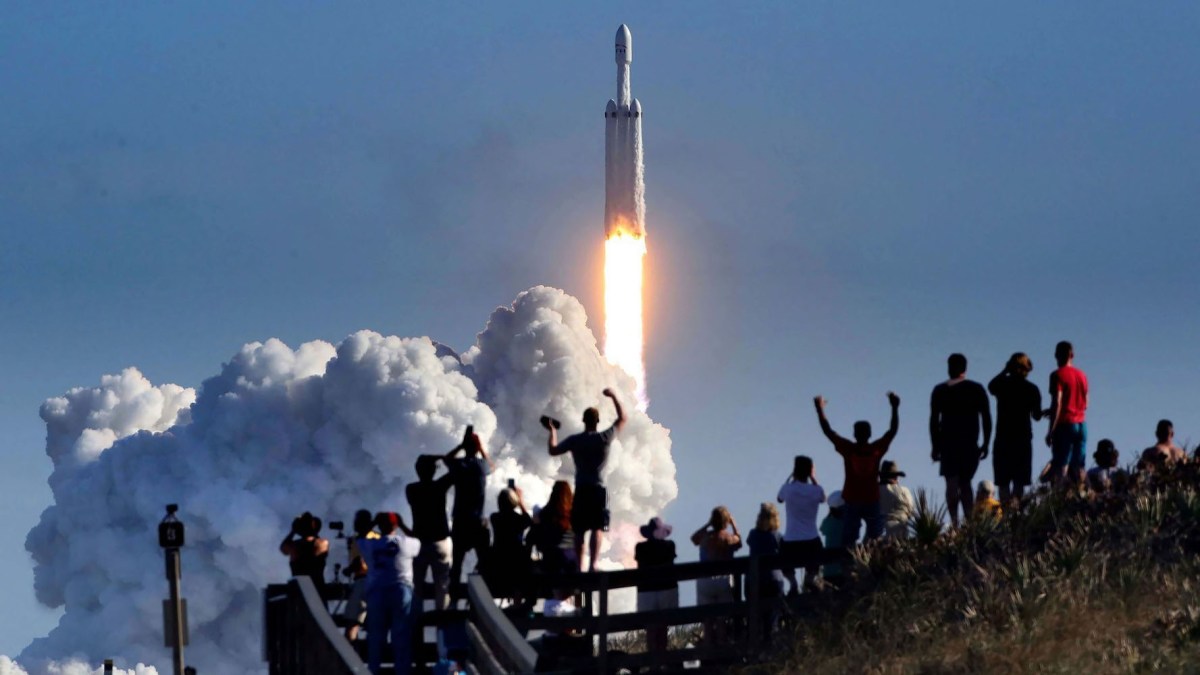
SpaceX Completes Record $75 Billion IPO, Making Elon Musk a Trillionaire SpaceX’s record-smashing stock market debut has turned Elon Musk into the world’s first trillionaire and ignited a broader reckoning over the power and risks of a single, sci‑fi‑driven tech empire.
On June 11, SpaceX and its Wall Street advisers locked in a fixed IPO price of $135 a share, selling 555.6 million shares to raise $75 billion — officially “the largest IPO in history,” TechCrunch noted, eclipsing Saudi Aramco’s 2019 listing. The deal, structured as a take‑it‑or‑leave‑it offer after months of investor roadshows, became the template bankers expect Anthropic and OpenAI to follow later this year.
Trading began on Nasdaq on June 12 under the ticker SPCX, opening at $150 — an 11% “pop” over the IPO price. Shares quickly spiked as high as $167 and closed around $161, enough to value SpaceX at roughly $2.1 trillion and to put Musk’s paper wealth above $1 trillion when combined with his Tesla stake. Retail traders piled in: Robinhood reported “record-breaking” traffic and $42 billion of stock changing hands in the first hour alone.
Over the following days, exuberance deepened. SpaceX stock kept rising, delivering a nearly one‑fifth jump on debut and more gains on the first full trading day. By June 16, the company had “passed Amazon to become the fifth-most valuable company in the world,” with a valuation above $2.7 trillion, despite posting a $4.9 billion loss on $18.7 billion in revenue last year. An $60 billion all‑stock deal to buy AI coding startup Cursor underscored how central artificial intelligence has become to the SpaceX story.
Fans on Wall Street and in Silicon Valley frame the IPO as a triumph of vision. The Financial Times called it a “display of Musk’s dominance,” arguing that his “unrivalled grip on the public imagination has transmuted into Wall Street gold.” One Axios analysis described the months‑long education campaign by Goldman Sachs and Morgan Stanley as a masterclass in selling a complex rockets‑and‑AI conglomerate to public investors.
Critics see something more troubling. The Verge characterized the offering as “great for Elon Musk and terrible for you,” warning that the company’s valuation rests heavily on speculative plans like launching AI data centers into space. Another piece simply concluded: “A trillion dollars is a stupid amount of money,” stressing the “colossal amount of wealth (and by proxy, power) for one individual to have.”
Yet even skeptics acknowledge the wider market shockwave. TechCrunch noted that startups are already trying to “ride that SpaceX IPO wave,” as investors brace for a “hot IPO summer” led by AI and deep‑tech firms rather than consumer apps. Global equity markets rallied, with one Financial Times headline linking a “global rally” in stocks partly to optimism from “SpaceX’s historic initial public offering.”
As SpaceX’s valuation swells and Musk’s influence grows — he controls over 80% of the company’s voting power — the IPO has become both a symbol of technological ambition and a flashpoint in debates over inequality, governance, and how far markets will go to fund a single person’s attempt to turn science fiction into reality.
Continue reading https://foxvector.com/stories/019ed5f2-5e41-09c1-70cd-1a5ae1a4fd75
Write a comment