Starship’s Zero-Second Abort Puts SpaceX’s ‘Move Fast’ Culture Under Post‑IPO Pressure
Starship’s Zero-Second Abort Puts SpaceX’s ‘Move Fast’ Culture Under Post‑IPO Pressure
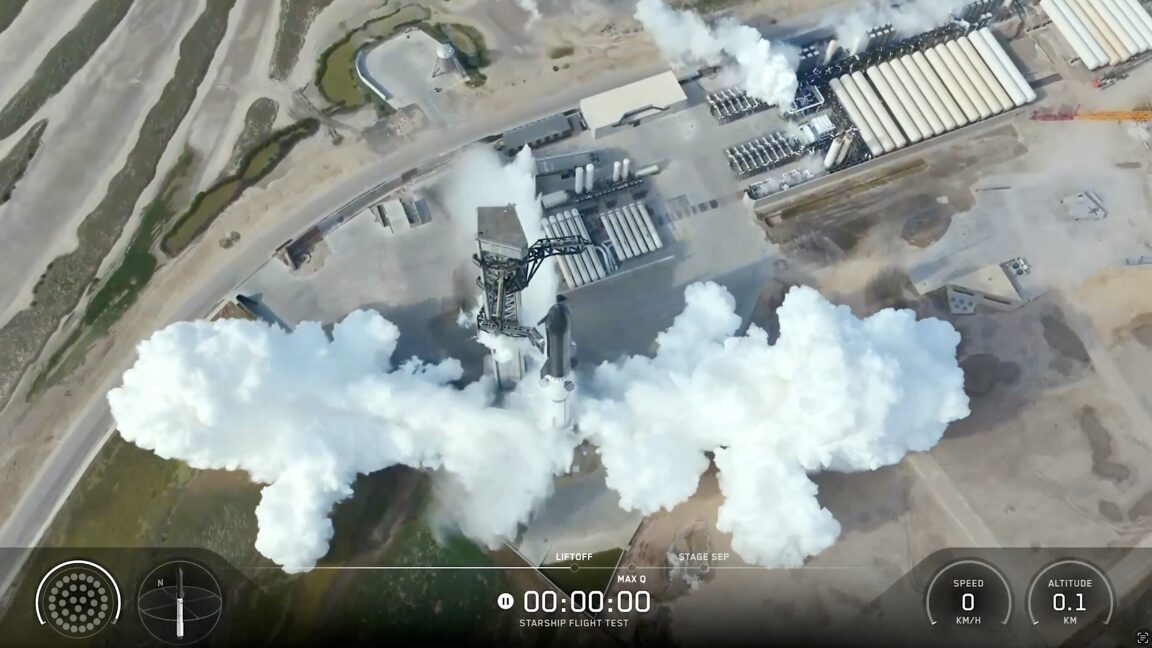
SpaceX’s most powerful rocket reached the brink of liftoff Thursday night, only for computers to halt the attempt at the last possible moment—testing both the company’s “fail fast” engineering culture and investor patience in its first weeks as a public company.
Hours of buildup in Texas
In the days leading up to Flight 13, Elon Musk signaled confidence, saying Starship was “still tracking to fly tomorrow”
and confirming that the launch window would open at 5:45pm local time at Starbase, Texas.
SpaceX stacked the Starship and Super Heavy booster for the thirteenth full-scale test,
promoting a new episode of its behind-the-scenes “Critical Path” video series about developing “the world’s most powerful and fully reusable rocket.”
By late afternoon, more than 11.5 million pounds of liquid methane and liquid oxygen had been loaded into the 400‑foot‑tall vehicle as the countdown “proceeded smoothly throughout the day.”
A zero-second abort
At T‑0, the Super Heavy booster’s 33 Raptor 3 engines began their staggered ignition sequence. But several failed to light, and the flight computers triggered an automatic abort.
“Some of the engines didn’t start, triggering an automatic launch abort. Now offloading propellant. Next launch attempt hopefully in a few days,” Musk posted shortly after.
Internal displays on SpaceX’s webcast suggested four engines never ignited.
Engineers began draining propellant while ground teams prepared to swap out two Raptor engines on the booster, with Musk later saying the “most probable launch timing is early next week.”
Post-IPO scrutiny and the “move fast” culture
For engineers, the abort is a validation of safety systems on a still‑experimental vehicle whose previous flights have exposed engine and flight‑control issues.
For markets, the timing is more fraught: the scrub came just hours after SpaceX’s SPCX shares closed below their $135 IPO price for the first time,
raising questions about how many high‑profile test hiccups investors will tolerate.
Supporters highlight the pace of operations—Musk amplified a post noting Falcon and Starship launches occurring “almost at the same time today,” a cadence that would be “years’ worth of launch cycle” for other programs.
Critics, however, see Flight 13’s last‑second abort as a reminder that scaling up such an aggressive test schedule, under public‑market pressure, may expose the limits of SpaceX’s move‑fast ethos.
Continue reading https://foxvector.com/stories/019f7105-5971-3e57-72d7-25e3b45717f5
Write a comment