Swift’s rescue mission is now fighting to save itself
Swift’s rescue mission is now fighting to save itself
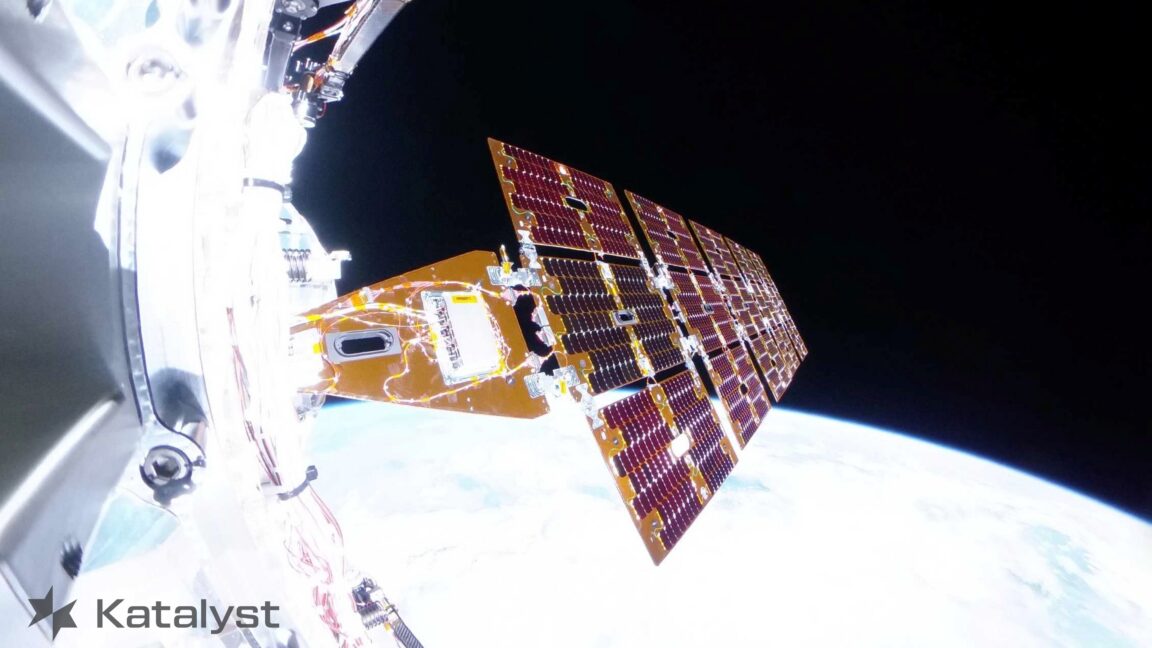
The satellite sent to rescue one aging NASA observatory has become a rescue case of its own. What was supposed to be a bold demonstration of commercial satellite servicing is now a high-stakes scramble to stop Link from tumbling and keep the Swift telescope from falling back to Earth.
Katalyst Space Technologies’ Link spacecraft was launched to catch NASA’s Neil Gehrels Swift Observatory, boost its orbit, and extend the life of a science mission that still matters. Instead, the servicing craft lost attitude control after two of its three reaction wheels failed and part of its cold-gas thruster system stopped working, leaving it spinning and communications intermittent.
That has split the story into two realities. The bleak one is mechanical: Link’s primary pointing hardware is crippled, and the systems now being used to steady it were never meant for that job. Ars Technica reported that Katalyst is trying to use the spacecraft’s xenon-fueled electric thrusters to slow the spin and recover control, an improvised fix with the mission clock ticking.
The more hopeful version comes from Katalyst itself. CEO Ghonhee Lee said the spacecraft’s power, electric propulsion, and capture hardware remain healthy, and the company still believes “a capture of Swift, an attempted capture of Swift, is very much in the cards.” That is the central tension: core mission hardware is still alive, but the vehicle has to be stabilized before any rendezvous can happen.
NASA’s stake here is bigger than one satellite. Swift, now nearly 22 years old, cannot raise its own orbit and is expected to reenter within months without help. The mission was also a test of whether a startup could pull off something governments rarely attempt: servicing a live science spacecraft in orbit on a compressed schedule.
If Link can be steadied, the mission may still become a comeback story. If not, NASA could lose both a valuable observatory and an early proof point for commercial satellite rescue.
Continue reading https://foxvector.com/stories/019fc1c8-13db-2751-71a4-23ae95a724f1
Write a comment