AI Fund’s Big Bet Collides With the Cost of Waiting
AI Fund’s Big Bet Collides With the Cost of Waiting
Situational Awareness built its reputation on seeing the AI boom early. Its abrupt public-market retreat shows that a compelling long-term thesis can still be undone by losses, leverage and a shortage of time.
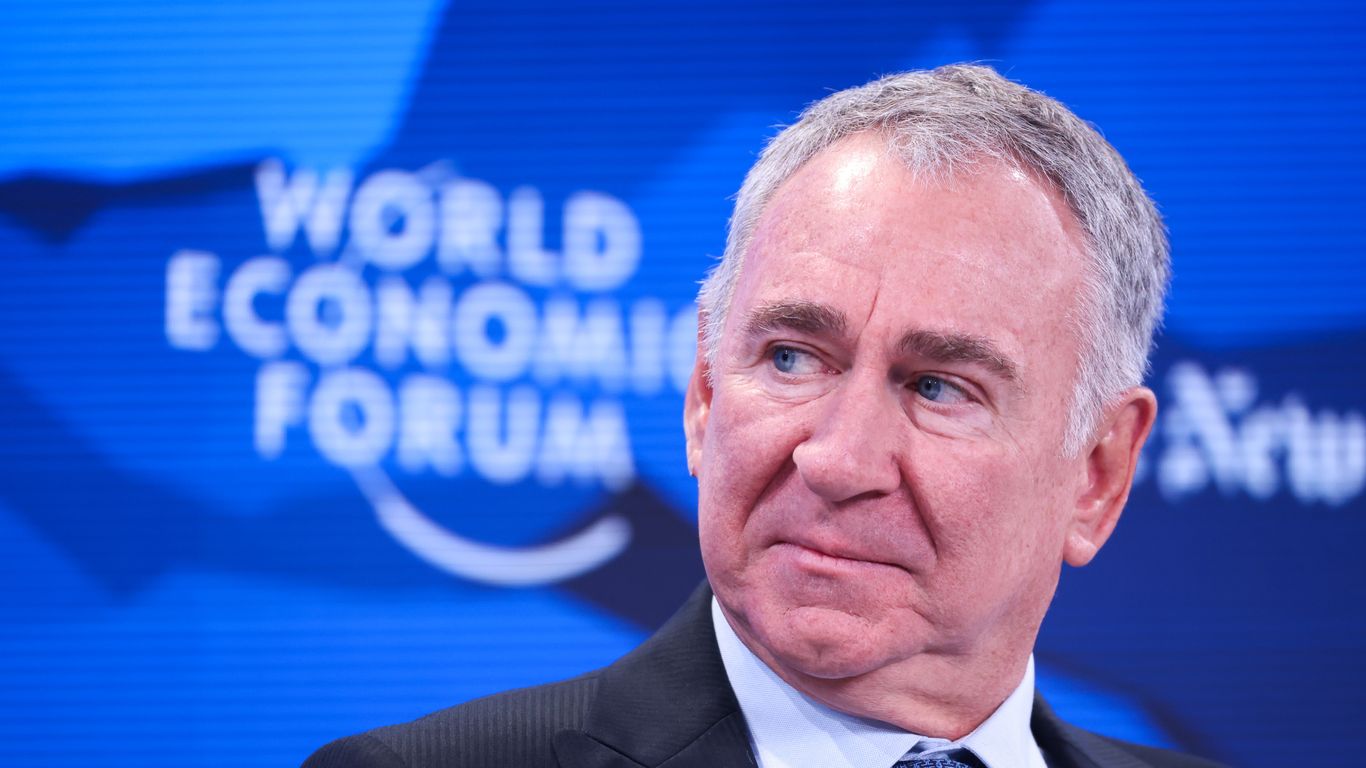
The fund founded by former OpenAI researcher Leopold Aschenbrenner sold its public-equity portfolio to Ken Griffin’s Citadel as AI-linked stocks, particularly chipmakers, came under pressure. Axios described the transaction as a sale of “all of its public equities portfolio,” while other accounts characterized it as most or a large portion of the book.
That distinction matters at the margins, but the underlying picture is consistent: a concentrated AI-infrastructure strategy faced a rapid unwind. The fund had sought fresh capital after heavy losses, and its exposure to companies tied to chips, memory, energy and data-center capacity was magnified by borrowed money. Leverage can turbocharge returns in a rally; in a sell-off, it can turn conviction into a liquidity problem.
The more sympathetic reading is that the sale does not settle Aschenbrenner’s broader AI thesis. Situational Awareness retained private-company investments, including an Anthropic stake reportedly valued at $5 billion, alongside holdings in MatX and Fluidstack. Citadel’s willingness to buy the public assets also suggests the buyer saw value in at least some of the same infrastructure themes — but with more capacity to hold through volatility.
Critics see a different lesson: the fund’s name and founder’s lack of prior trading experience made the reversal an unusually vivid warning about hype, concentration and institutional judgment. One commentary noted that the eight-person firm had only four investment professionals and had “rapidly sold a large portion of its public equity holdings” as losses grew.
The competing interpretations converge on one point. Being right about AI’s eventual demand for compute and power is not the same as surviving the market’s timetable. Aschenbrenner himself had framed risk management starkly: “Obviously, not blowing up is task number one and two.”
Continue reading https://foxvector.com/stories/019fc942-4b7a-059e-71d2-3d7f68353926
Write a comment