Truck Tariff Standoff Blows Up US-Canada Trade Talks
Truck Tariff Standoff Blows Up US-Canada Trade Talks
A fight over heavy trucks has blown open a far bigger rupture between two of North America’s closest economic partners. What had looked like a narrow tariff bargain is now a test of Canada’s industrial future — and of how much strain the bilateral relationship can take.
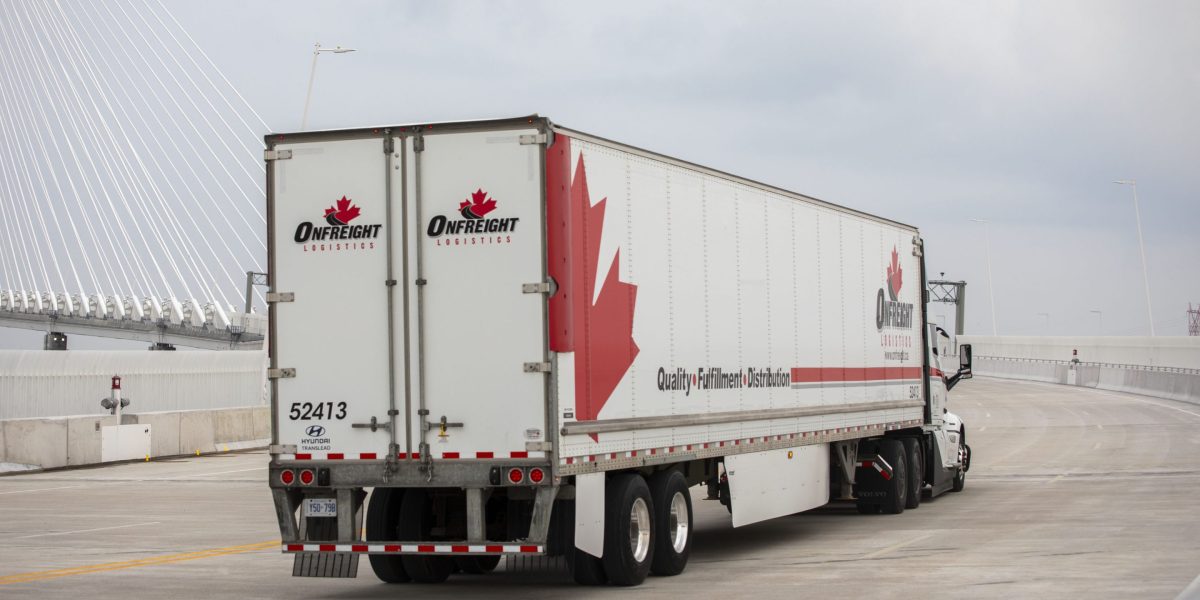
The negotiations had appeared close to a deal that would reduce US tariffs on autos, steel, aluminum and lumber. But on Friday, Ottawa pressed for the lower auto rate to cover medium- and heavy-duty vehicles, including Ford F-350 pickups made in Ontario. Washington saw that as a late additional demand; Canadian officials and industry figures said the US had instead pulled those products from the relief package at the last minute.
By Saturday, the talks had collapsed. The United States imposed 50% tariffs on roughly $20 billion in Canadian goods, while Prime Minister Mark Carney set Sept. 8 for Canada’s dollar-for-dollar counter-tariffs. Carney said excluding trucks was “a big change” that would leave Ford’s Ontario plant out in the cold, “No rationale.”
The dispute quickly moved beyond vehicles. Carney said Canada had offered to remove remaining retaliatory tariffs on steel, aluminum and autos if Washington significantly lowered its own duties. But he said the final US terms sought too much: constraints on Canada’s future trade deals and weaker safeguards for its language, culture and sovereignty. “They asked too much and offered too little,” he said.
Washington’s account is the inverse. US Trade Representative Jamieson Greer said the administration had offered reductions on sectors “sensitive for them,” but had to respond after a year of Canadian retaliation. “We’ve said enough, and so we’ve taken countermeasures,” he said, casting the move as protection for American workers and supply chains.
Carney’s language was far sharper: Washington, he said, had turned “economic integration as a weapon,” adding, “You’re at war when you get attacked.” That sovereignty argument reverberated online, where Yann LeCun reposted a claim that tariff conditions amounted to a challenge to Canada’s French language, Quebec culture and national identity. In another repost, demands attributed to Washington included changes to French-language cultural discoverability and labeling rules, alongside withdrawal of Canadian counter-tariffs.
With no further talks planned, the immediate tariff clash now threatens the wider review of the US-Mexico-Canada Agreement — and a trading relationship built around an undefended border, deeply integrated factories and $880 billion in annual two-way commerce.
Continue reading https://foxvector.com/stories/01a03050-61a5-2c80-73f7-12fbc9db1cb8
Write a comment