Taiwan’s AI Server Case Exposes a Costly Breach in China Export Controls
Taiwan’s AI Server Case Exposes a Costly Breach in China Export Controls
Taiwan’s prosecution of employees tied to two of America’s most important AI hardware companies has turned a compliance failure into a geopolitical flashpoint. At issue is whether paperwork and corporate safeguards were enough to stop restricted computing power from reaching China.
On Monday, prosecutors in Keelung charged nine people, including one Nvidia employee and two Super Micro employees, over the alleged illegal export of “high-end AI servers” to mainland China. The accusations arrive amid a widening US-China contest over the chips and servers needed to train advanced AI systems.
The investigation followed Washington’s 2022 move to require licences for semiconductor exports to China. Taiwan’s separate probe accelerated after US authorities arrested Supermicro co-founder Wally Liaw in March in a related alleged server-funnelling case, according to reporting on the inquiry.
Prosecutors’ account is stark: conspirators allegedly forged records showing that 130 B300 servers had been installed at a Taiwan facility. Investigators say 74 were instead exported to Chinese customers, while customs stopped another 56 that were also intended for China. The nine defendants were charged with breach of trust and document forgery; a suspect connected to a related case remains at large.
Authorities argue the alleged conduct was deliberate, saying the indicted employees knew Nvidia and Supermicro had “rigorous internal control procedures” for China-bound exports. Their view is that the scheme did more than bypass rules: it drove up compliance costs and damaged Taiwan’s international standing.
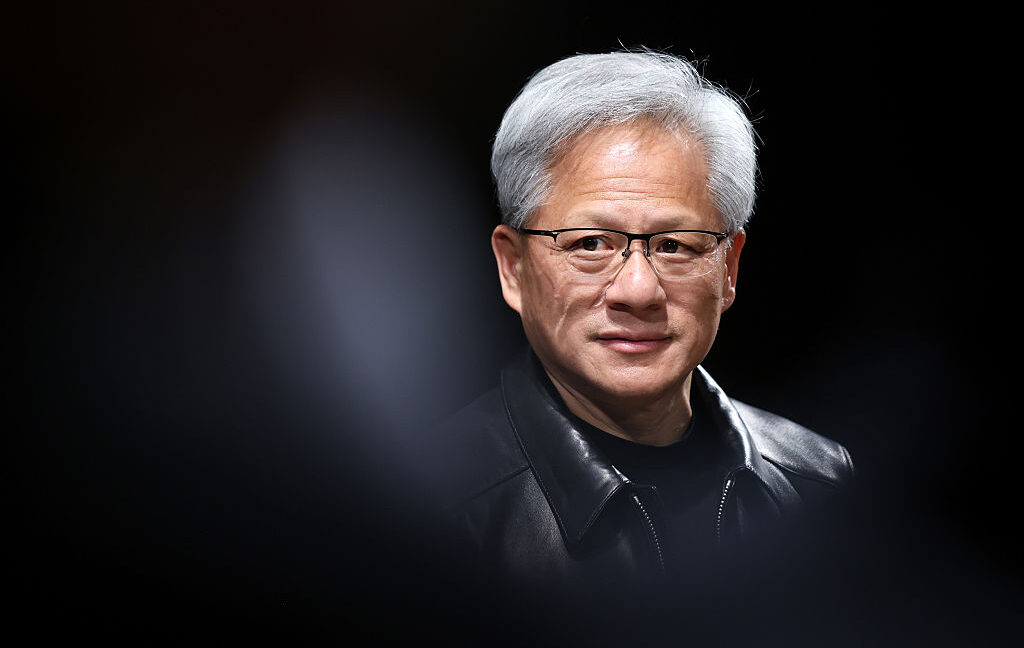
The companies’ public posture is more defensive. Supermicro has said it is cooperating with Taiwanese authorities, has strengthened safeguards and dismissed several employees linked by an internal investigation, while stressing that it is not itself a target. Nvidia chief executive Jensen Huang had already urged partners to improve compliance: “We insist our partners are compliant.”
The case lays bare the tension beneath both positions. Governments are tightening controls and pursuing alleged smugglers; companies point to internal procedures and remediation. Yet the alleged diversion suggests that, in an overstretched global supply chain, falsified installation documents can still defeat rules designed to keep cutting-edge AI capacity out of China.
Continue reading https://foxvector.com/stories/01a0361b-e1ee-0cff-7389-127086d1b809
Write a comment