Canada Draws a Red Line as Trump’s Tariff Fight Turns Personal
Canada Draws a Red Line as Trump’s Tariff Fight Turns Personal
The U.S.-Canada trade fight has shifted from a hard bargain over tariffs into a test of sovereignty, manufacturing and a once-reliable alliance. A deal that appeared within reach collapsed over trucks — and left both capitals preparing for a more damaging confrontation.
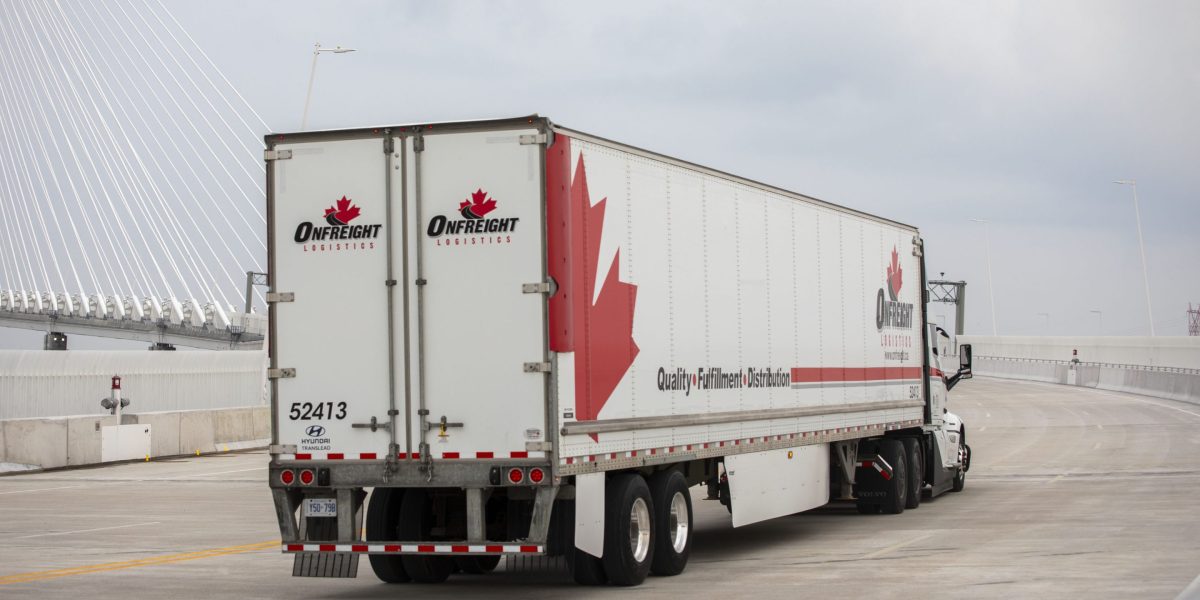
The rupture followed negotiations in Washington that had outlined lower U.S. tariffs on Canadian autos, steel, aluminum and lumber. The proposed auto rate would have fallen to 15% from 25%, but Ottawa pressed to include medium- and heavy-duty vehicles, including Ford F-350 pickups made in Ontario. U.S. negotiators viewed that as a late additional demand; Canada said Washington had abruptly carved the vehicles out. “No rationale,” Prime Minister Mark Carney said of the exclusion.
By Saturday, the breakdown had produced U.S. tariffs of 50% on roughly $20 billion in Canadian goods, while Canada set Sept. 8 for dollar-for-dollar retaliation. Carney said Ottawa had been ready to remove remaining counter-tariffs if Washington substantially reduced its own duties, but the final package crossed political and economic red lines: weaker relief for Canadian vehicles, limits on Canada’s future trade deals, and pressure on protections for language, culture and sovereignty. “They asked too much and offered too little,” he said.
Washington framed the escalation differently. U.S. Trade Representative Jamieson Greer said the administration had offered cuts on sensitive sectors but was now responding to Canadian retaliation, arguing the goal was “protecting American workers and protecting American supply chains.”
Canadian industry and political voices backed Carney’s refusal. Ontario Premier Doug Ford said the proposed deal would have harmed the province’s auto, steel and manufacturing base, while auto-parts chief Flavio Volpe alleged the truck carveout was an effort to “get rid of auto manufacturing in Canada.” Unifor warned that accepting a narrow carveout for U.S. parts could weaken Canada’s ability to sustain a competitive auto sector.
The dispute has also spilled into identity politics. A widely shared post, retweeted by Yann LeCun, claimed Trump was demanding changes to Canada’s French-language rules, Quebec culture and national identity as a condition for tariff relief. Another retweeted post listed alleged U.S. demands involving French-language cultural discoverability, cultural subsidies and labeling rules.
For Carney, that sharpened the stakes: economic integration, he said, had been turned into a weapon. The next question is whether either side can still find an off-ramp before a trade dispute reshapes North America’s industrial map.
Continue reading https://foxvector.com/stories/01a038ae-9e8d-3a74-7068-2a331737a273
Write a comment