Truck Tariffs Shatter a U.S.-Canada Deal—and Turn Trade Into a Sovereignty Fight
Truck Tariffs Shatter a U.S.-Canada Deal—and Turn Trade Into a Sovereignty Fight
What looked like a narrow fight over trucks has become a far broader rupture between two of the world’s closest trading partners. A nearly completed tariff deal collapsed, unleashing new penalties and a war of words over jobs, culture and sovereignty.
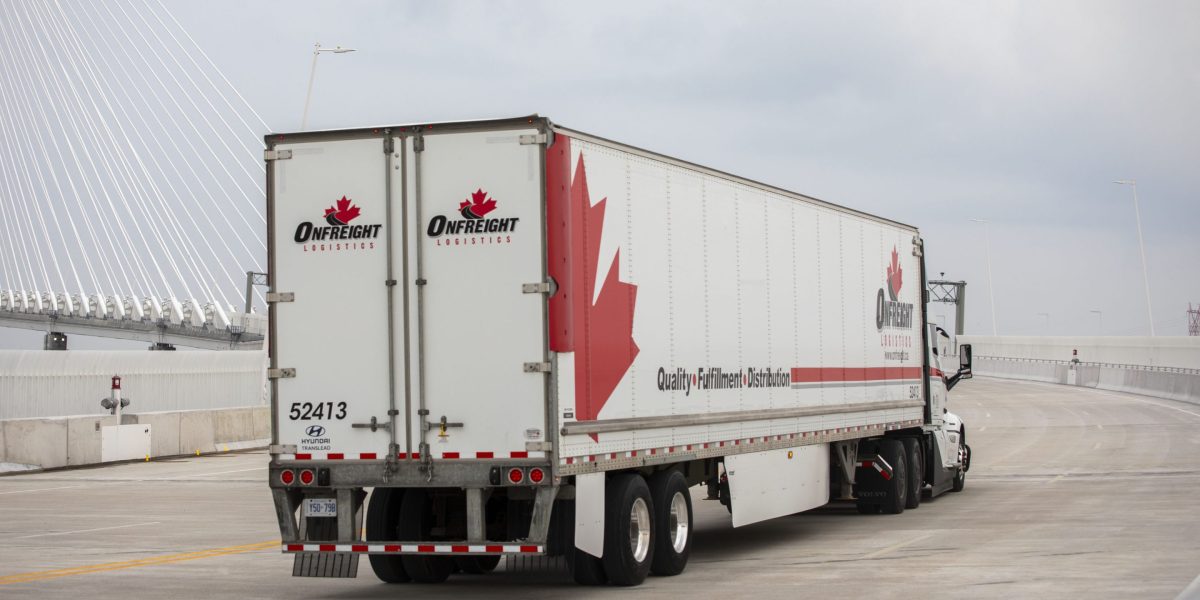
Negotiators had been closing in on Friday on lower U.S. sectoral tariffs for autos, steel, aluminum and lumber. The proposed auto rate would have fallen to 15% from 25%, but Canada insisted that medium- and heavy-duty vehicles—including Ontario-built Ford F-350s—receive the same relief. U.S. officials viewed that as a late addition; Canadian industry representatives said Washington had instead carved the trucks out at the last minute.
By Saturday, the dispute had escalated into a wider trade confrontation. The United States imposed 50% tariffs on roughly $20 billion in Canadian goods, while Prime Minister Mark Carney announced dollar-for-dollar counter-tariffs due to begin Sept. 8. Carney said Washington had used “economic integration as a weapon” and declared, “You’re at war when you get attacked.”
Ottawa’s case is that the truck exclusion would damage Canadian manufacturing and set a dangerous precedent before the coming review of the U.S.-Mexico-Canada Agreement. Carney said Washington also sought terms affecting Canada’s ability to make outside trade deals and protections for language, culture and sovereignty—demands he called unacceptable. Ontario Premier Doug Ford backed the rejection, arguing the proposed arrangement would hurt the province’s auto, steel and manufacturing base.
Washington casts the same breakdown differently. U.S. Trade Representative Jamieson Greer said the administration had offered relief on politically sensitive goods but was responding to a year of Canadian retaliation: “Our interest is in protecting American workers and protecting American supply chains.”
The sovereignty argument quickly spread online. Yann LeCun reposted a claim that Trump was demanding changes to French-language rules, Quebec culture and Canadian identity as a condition for reversing tariffs—a characterization reflecting Canadian alarm, not an independently substantiated list of negotiating terms. In a separate repost, LeCun amplified French-language allegations that Washington sought concessions on cultural subsidies, labeling rules and Canadian counter-tariffs.
With no further talks planned, both sides now face the same risk: tariffs meant to win leverage could instead deepen a break in the North American economic relationship.
Continue reading https://foxvector.com/stories/01a03dd5-8d73-16e6-72f2-16b16b020189
Write a comment