Meta’s teen-safety deal is huge, but critics say the hardest protections are still missing
Meta’s teen-safety deal is huge, but critics say the hardest protections are still missing
Meta has bought its way out of a defining courtroom fight over children and social media—but the deal leaves a central question hanging: whether the changes will truly curb the harms critics say its platforms were built to amplify.
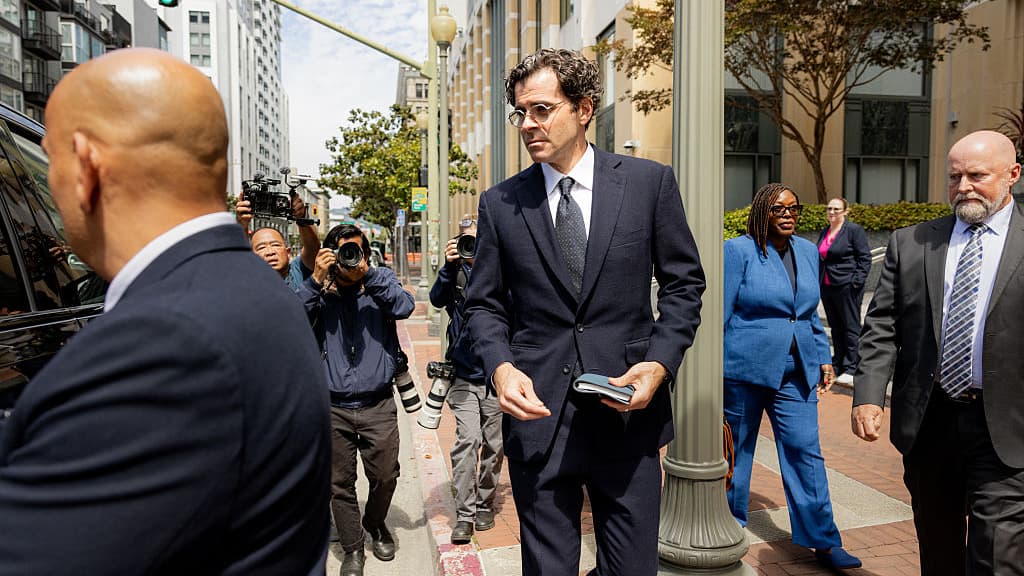
The conflict began in October 2023, when a bipartisan coalition of state attorneys general accused Meta of downplaying risks to young users while deploying features designed to keep them scrolling. As a federal bellwether trial opened in Oakland, California, the states’ case targeted autoplay, like counts and infinite feeds as products of a system that allegedly put engagement ahead of teen well-being.
On Wednesday, Meta agreed to pay up to roughly $17.1 billion to $18 billion over a decade, subject to court approval. The proposed nationwide rules include a two-hour combined daily limit for under-18s on Facebook and Instagram, a midnight-to-6 a.m. block, quieter school-day notifications, hidden like counts, tighter age checks and outside compliance monitoring. The figure would eclipse Meta’s previous $5 billion FTC penalty, though it remains a fraction of a company that reported $60.46 billion in 2025 net income.
Meta cast the agreement as a shared industry challenge, saying teens “move fluidly across dozens of apps” and urging TikTok and YouTube to adopt the same framework. That appeal is also embedded in the money: about $12.7 billion is guaranteed, while roughly $5.3 billion depends on rivals matching comparable safeguards and payments.
Critics see less leadership than legal necessity. Business professor Rob Lalka argued, “Meta is not reforming here, they’re complying,” and questioned whether the payout matches the social damage alleged by families and states.
New Mexico Attorney General Raúl Torrez, whose state had already won a child-safety verdict against Meta, called the national accord progress but said it omits protections his state secured or sought, including “a direct ban on romantic and sexualized AI chatbot interactions with minors.” Child advocates likewise faulted the settlement for leaving recommendation algorithms available by default, while civil-liberties advocates warned stronger age assurance could force invasive checks on everyone.
The Oakland trial may be over, but thousands of private suits remain—and the deal has sharpened, rather than settled, the fight over what meaningful teen protection should cost.
Continue reading https://foxvector.com/stories/01a047f7-d742-1f46-70b2-23bd384f007e
Write a comment