Iran’s Strike at U.S. Warships Pushes the Oil Tanker War Into a Riskier Phase
Iran’s Strike at U.S. Warships Pushes the Oil Tanker War Into a Riskier Phase
The confrontation has been building since the war began with U.S. and Israeli strikes on Feb. 28, then hardened into a struggle over the Strait of Hormuz. Iran has been unable to fully shut the waterway, while the United States has failed to restore normal shipping traffic as attacks on commercial vessels keep oil moving under threat.
The U.S. blockade of Iranian oil exports, begun in mid-April, added a second front: economic attrition. Iran had exported most of its crude through Kharg Island before the war, but disrupted flows, sanctions and inflation have deepened the pressure on ordinary Iranians.
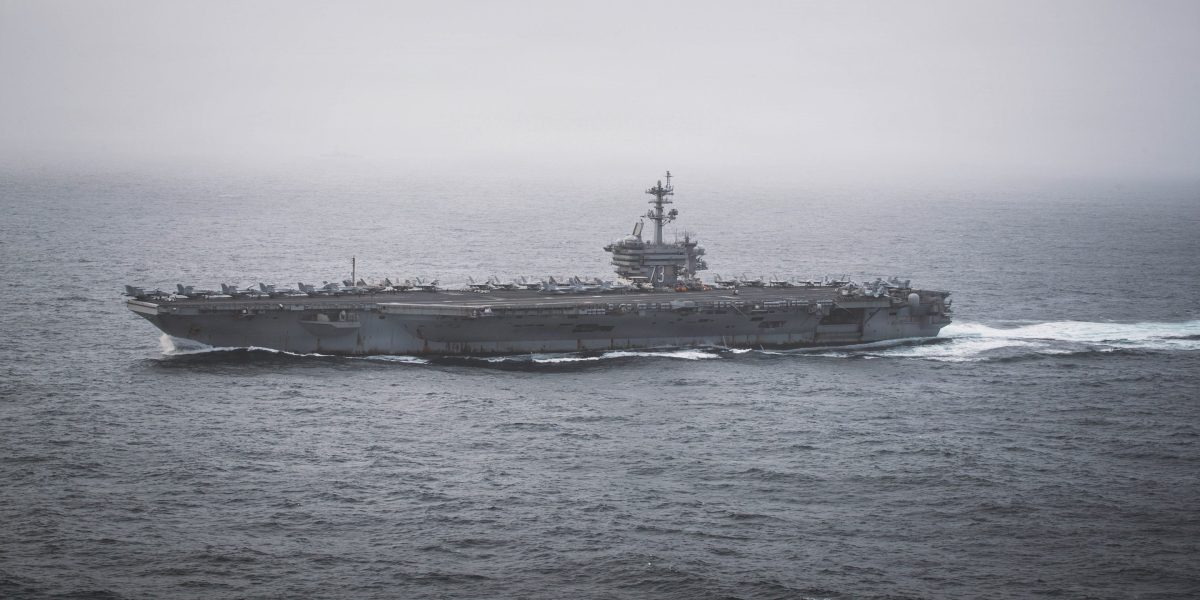
Earlier this week, Iran fired missiles at U.S. bases around the Persian Gulf. On Saturday, it raised the stakes further by targeting a U.S. aircraft carrier and guided-missile destroyer. CENTCOM said the ships evaded the attacks and no U.S. personnel were hurt. Washington then struck three Iranian crude carriers—one off Kharg Island, one near Jask and another in the Gulf of Oman.
Adm. Brad Cooper, CENTCOM’s commander, cast the response as deliberate deterrence: “If you shoot at two of our ships, we will impose an even higher economic cost — taking out three of yours.” Defense Secretary Pete Hegseth made the U.S. condition even blunter: Iran need only stop shooting at U.S. Navy vessels.
Tehran’s answer was not conciliatory. Parliament speaker and senior negotiator Mohammad Bagher Ghalibaf said “proportionate responses” were over, warning that violations of Iranian interests would draw a “faster, heavier, and more painful” response. Yet he also acknowledged severe strains from exchange-rate swings, inflation and unemployment.
That contradiction may be the conflict’s central danger. Analyst Hamidreza Azizi said an attempted strike on warships crosses “a different threshold”; a successful attack causing major U.S. casualties, he warned, could rapidly transform the war.
Continue reading https://foxvector.com/stories/01a077d0-d225-20a3-7216-20b1a69da6bd
Write a comment