US Says China Is Copying Its AI—Beijing Calls It a Smear
US Says China Is Copying Its AI—Beijing Calls It a Smear
The dispute had been building since late 2024, when U.S. AI developers began alleging that Chinese competitors were using their systems’ outputs to accelerate their own model development. Anthropic said in February it had found campaigns involving DeepSeek, Moonshot AI and MiniMax that generated more than 16 million exchanges with Claude through roughly 24,000 fraudulent accounts; OpenAI separately reported what it saw as increasingly concealed efforts to distill frontier capabilities.
On September 8, the NSA, CISA and FBI turned those industry complaints into the Trump administration’s most detailed public accusation yet. The agencies named DeepSeek, Moonshot AI, Alibaba, MiniMax, StepFun and Z.AI, alleging they had used millions of requests against models including Claude, GPT, Gemini and Grok since at least late 2024. Their assessment was that the activity probably occurred with Chinese government awareness—not necessarily on Beijing’s direct orders—and that it could cut years and billions of dollars from the cost of catching up.
The U.S. case hinges on the distinction between legitimate knowledge distillation, a common technique for training smaller models, and what officials call illicit extraction. They accused the firms of using fake accounts, proxy networks, bulk premium subscriptions and prompt-injection tactics to pull out restricted features and reasoning. The result, agencies warned, was “aggressive, malicious, and targeted distillation activities at an industrial scale.”
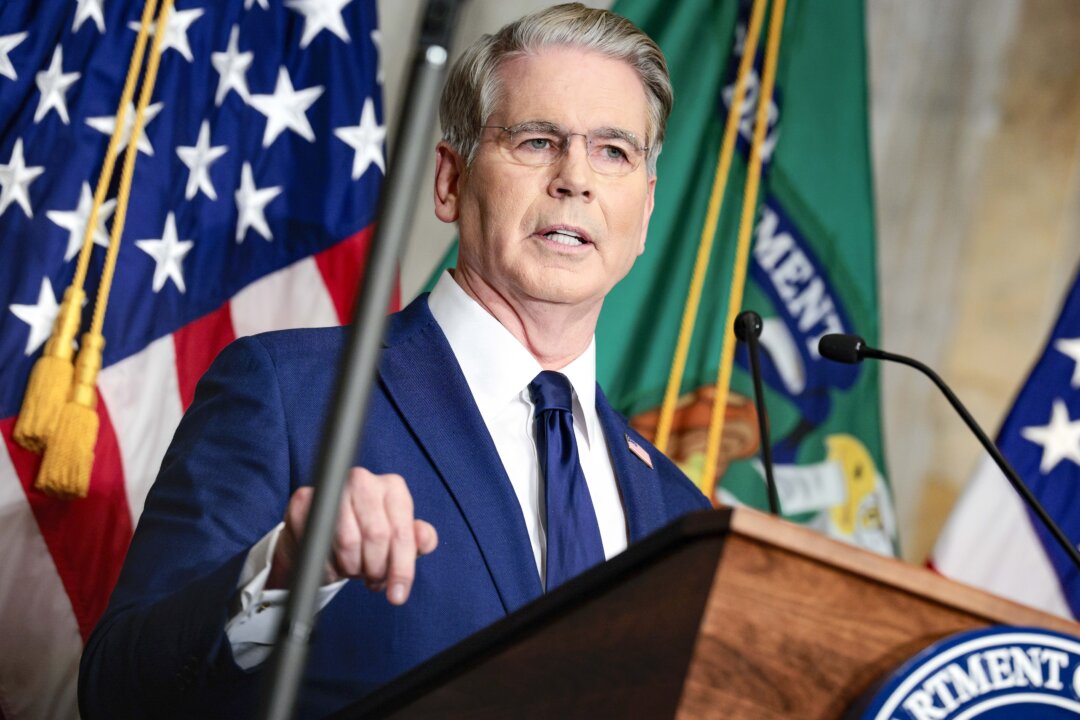
Treasury Secretary Scott Bessent framed the advisory as part of a larger strategic race, arguing that American data-center construction and AI investment cannot stall: “If they were to pull ahead of us on AI, then nothing else matters.”
Beijing rejected that framing the following day. Foreign Ministry spokeswoman Mao Ning said Chinese AI advances came from domestic technological development and international cooperation, and urged U.S. agencies to pursue cooperation “rather than making groundless accusations.” Chinese Embassy spokesperson Liu Chang went further, calling on U.S. figures to “discard prejudice” and stop discrediting China’s AI achievements.
The clash leaves a practical question beneath the geopolitical rhetoric: Washington wants providers to tighten identity checks and quietly degrade suspicious users’ access, while acknowledging that such defenses may also worsen service for legitimate customers.
Continue reading https://foxvector.com/stories/01a08b20-e3d2-3f49-72e5-25de456e30e4
Write a comment