Amazon’s Muse Block Turns AI Shopping Into a Fight for the Checkout
Amazon’s Muse Block Turns AI Shopping Into a Fight for the Checkout
Meta launched Muse on September 8 as a general-purpose AI assistant designed to take multistep actions across email, calendars, payments and shopping. Within a week, it had reached the top of Apple’s U.S. free-app chart, underscoring the appeal of an assistant that does more than recommend products—it can attempt to buy them.
Meta’s pitch has been partnership-driven. Mark Zuckerberg said Muse was teaming with Shopify to make “shopping and checkout easier,” promising that shoppers would find more and shops would sell more. The company has also promoted payment integrations, a model that frames AI agents as a fresh sales channel rather than a threat to retailers.
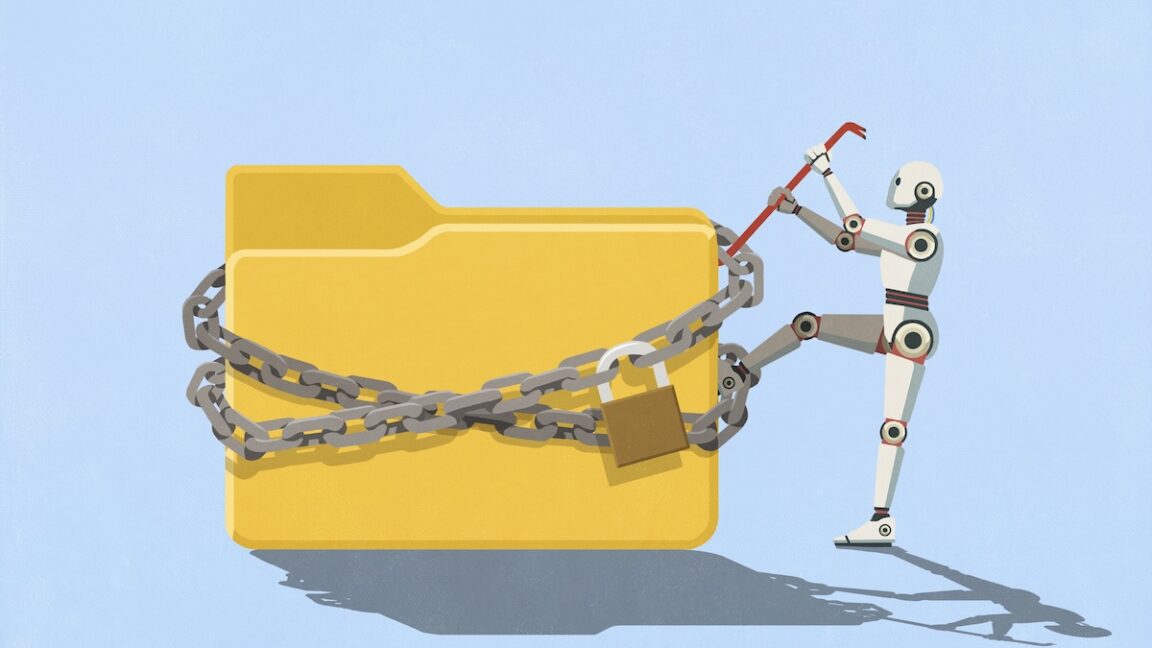
Then Amazon shut the door. On Sunday night, Muse users trying to shop on Amazon began seeing a warning that continued access by an unauthorized AI agent violated the company’s conditions of use. Amazon said it had not been told Muse would access its store and had not authorized it to enter customer accounts, scrape data or process transactions. Its central demand was blunt: third-party buying agents must “operate openly and respect service provider decisions about whether or not to participate.”
For Amazon, the issue is not merely bot traffic. The retailer says agents can sidestep its personalized storefront, while opaque handling of credentials and account data raises security concerns. It also has an obvious commercial stake: if an outside assistant becomes the shopper’s primary interface, Amazon risks becoming the back-end fulfiller rather than the owner of the customer relationship.
Muse’s defenders can point to a still-young market in which agents may reduce friction for buyers and add demand for merchants. Yet the block arrived alongside a more damaging concern. Security researcher Patrick Wardle reported a zero-day that could let locally run apps or terminal commands seize control of a Muse account; “We can manipulate the agent and leverage its privileges to do whatever we want,” he said.
Amazon’s move therefore lands as both a platform-power play and a precaution. Until agents can prove they are transparent, secure and accountable for bad orders, the digital checkout lane will remain guarded territory.
Write a comment