Texas Halts Data Center Environmental Permits Pending Audits
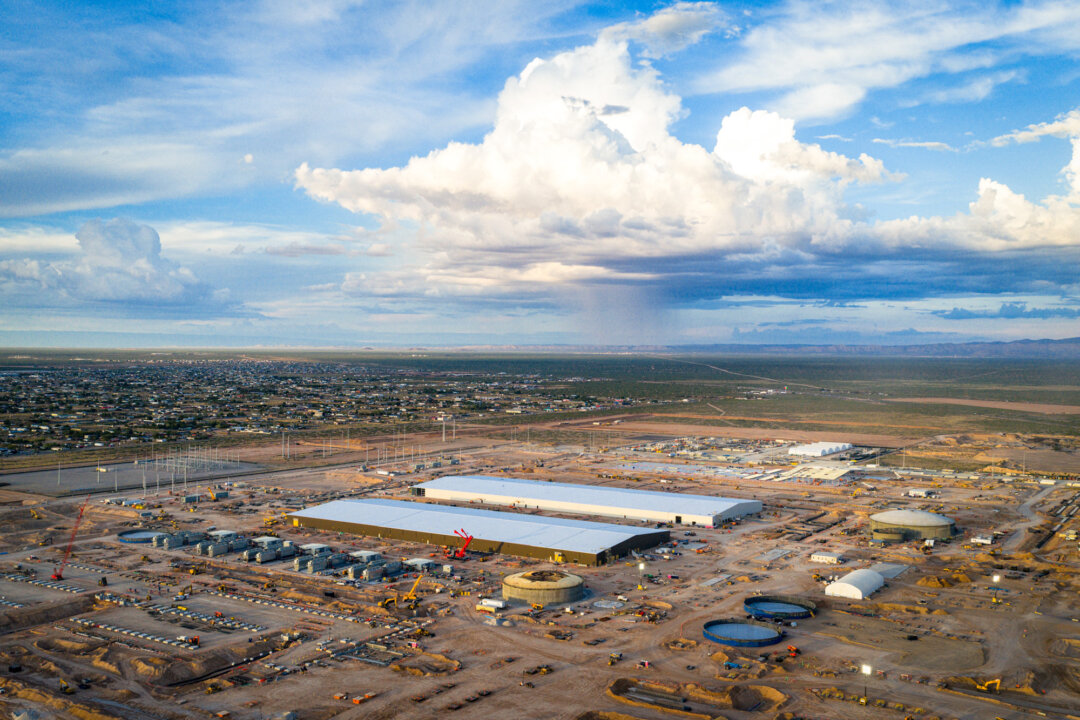
Texas Halts Data Center Environmental Permits Pending Audits
Texas Governor Greg Abbott has ordered the Texas Commission on Environmental Quality to halt issuing environmental permits for new data center projects across the state, pending audits and reviews by the Electric Reliability Council of Texas and the Texas Water Development Board. Both AI and Human accounts agree that Abbott’s directive effectively pauses a significant pipeline of data center development, citing concerns over the strain these facilities place on Texas’s already stressed power grid and limited water resources, and that the halt follows an earlier moratorium on new grid connection approvals for data centers.
Across sources, coverage concurs that the move is closely tied to Texas’s rapid emergence as a major global data center hub, with new facilities demanding large, continuous electricity loads and substantial water for cooling. They describe the audits as intended to assess grid reliability, resource sustainability, and the cumulative impact of the current waitlist of projects, and indicate that the permitting freeze could slow sector growth, potentially delay billions in planned investments, and reshape how future data center projects must demonstrate their contribution to protecting energy and water resources before winning approval.
Areas of disagreement
Motives and framing. AI-aligned coverage tends to frame Abbott’s order in more technocratic terms, emphasizing grid reliability management, long-term planning, and the need for better coordination between ERCOT, TCEQ, and water authorities. Human coverage is more likely to foreground political context, presenting the halt as a response to mounting public controversy over data center growth and as a move with clear electoral and reputational stakes for Abbott and state regulators.
Economic impact. AI sources usually highlight macro-level cost–benefit considerations, often describing the pause as a temporary recalibration that could ultimately support sustainable growth of what they portray as a strategic digital infrastructure sector. Human sources, by contrast, emphasize near-term risks, warning of delayed construction, potential loss or relocation of billions in investment, and possible damage to Texas’s ambitions to be the world’s largest data center market.
Environmental and community concerns. AI coverage tends to treat environmental and water-use issues as parameters in a systems-optimization problem, focusing on aggregate load, resource modeling, and the efficiency of future facilities. Human coverage more often centers local communities and ecosystems, stressing fears over water depletion, localized pollution, and the perception that prior state policy favored data center developers over residents until public pressure forced a reset.
Characterization of data centers. AI narratives generally describe data centers in neutral or positive terms as critical infrastructure underpinning cloud computing and AI, whose growth simply needs better regulatory guardrails. Human reporting is more inclined to question whether the proliferation of energy-intensive data centers is compatible with Texas’s resource constraints, portraying them as symbols of broader tensions between digital-economy expansion and environmental limits.
In summary, AI coverage tends to treat the permit halt as a technical, system-wide optimization pause aimed at balancing grid reliability, water use, and long-term digital infrastructure growth, while Human coverage tends to present it as a politically charged inflection point that exposes trade-offs between industry expansion, local impacts, and Texas’s broader economic and environmental priorities.
Write a comment