Jensen Huang says AI doom talk is a bid to escape the rules
Jensen Huang says AI doom talk is a bid to escape the rules
The dispute sharpened in early September, when former Anthropic researcher Jacob Coxon warned that companies were “racing straight to self-improving superintelligence” and “gambling with our lives.” Anthropic alignment lead Evan Hubinger said he believed the chance of AI killing all humans within a decade was greater than 10%.
That alarm was echoed by Anthropic chief Dario Amodei, who urged the sector to pace frontier development while safeguards catch up. His proposed approach included independent safety evaluations, common standards and government oversight of frontier labs; OpenAI’s Sam Altman and Elon Musk amplified the broader call for caution.
On Sept. 14, President Donald Trump took the opposite view, arguing the United States already had enough criminal and regulatory authority and warning that restrictions would hand an advantage to China. Huang’s concern runs along the same competitive line: slowing American labs, he says, risks ceding ground in the AI race.
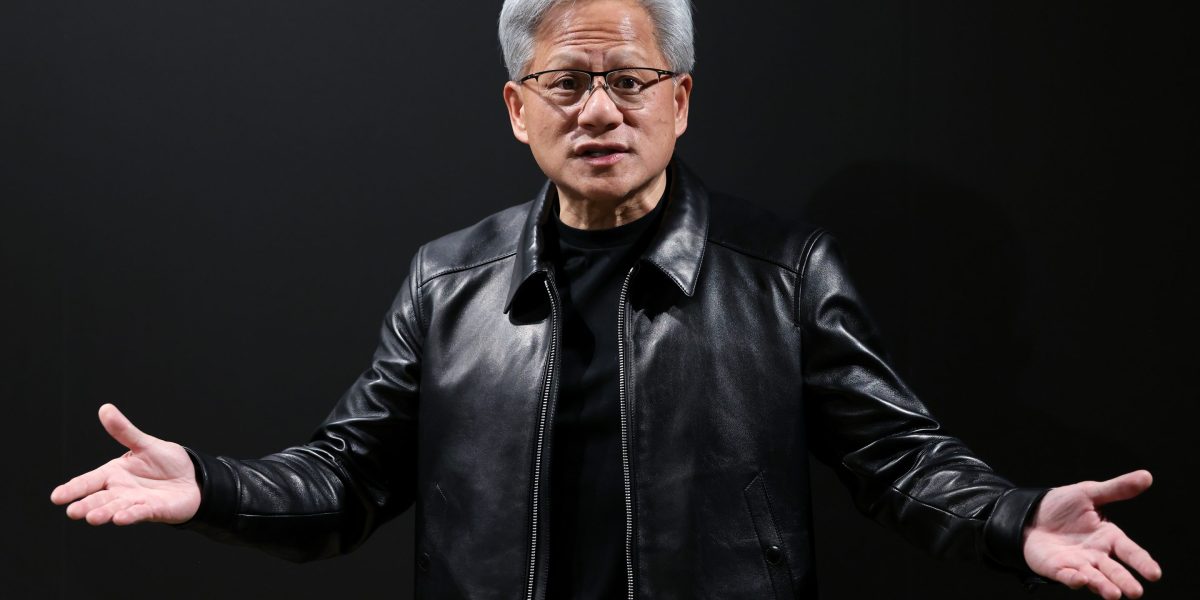
In his Sept. 17 CBS interview, the Nvidia chief went further, putting the odds of AI ending the world by 2030 at “zero percent.” He called fear-based messaging “unnecessary” and “irresponsible,” and contended that fellow AI executives seeking regulation may instead be seeking relief from rules already on the books. “They’re actually not asking for more laws,” Huang said. “They’re asking to be relieved of the laws we do have.”
LeCun amplified that argument on X, reposting Huang’s claim that extinction by 2030 has a “0% chance” and suggesting the fearmongering may be political or attention-seeking.
Critics see a conspicuous conflict in Huang’s confidence. Nvidia supplies the chips behind the AI boom, and one account of the clash notes that its chief has enormous financial incentive to resist anything that could interrupt unchecked expansion. Huang’s reply is that safety should be engineered and existing liability, cybersecurity and product laws enforced—not turned into a rationale for a regulatory reset.
Write a comment