Meta’s Muse Charm Puts a Keychain Into the AI Hardware Race
Meta’s Muse Charm Puts a Keychain Into the AI Hardware Race
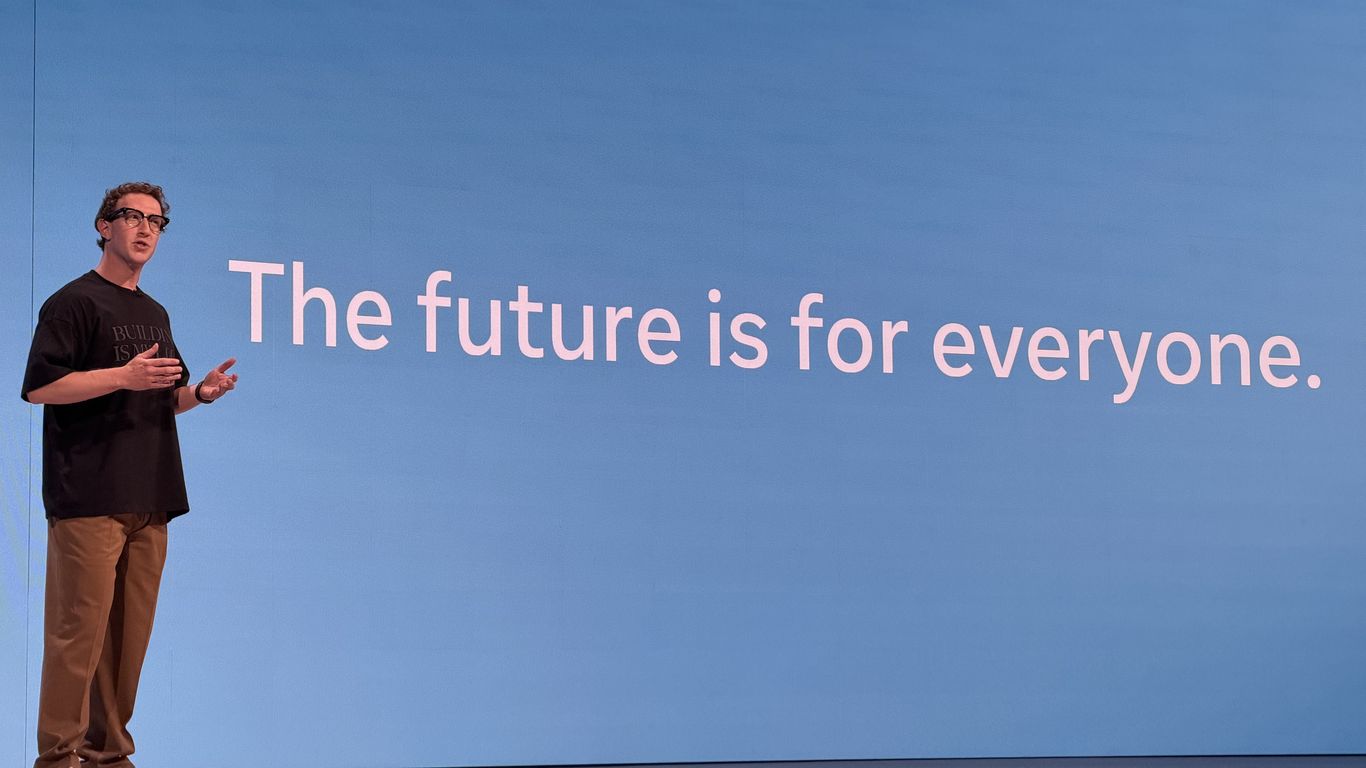
Meta had only recently introduced Muse as a personal AI agent designed to remember details, make suggestions and carry out tasks. At Meta Connect on Wednesday, Mark Zuckerberg expanded that vision with real-time voice and video features, saying Muse could work in the background while users spoke and would also come to glasses for hands-free use.
The keynote’s closing hardware tease was Muse Charm: a compact, keychain-sized device intended to put the assistant within immediate reach. Zuckerberg called it a “joyful little device for talking to your Muse” and said it would ship in December. Meta has reportedly built only a few units so far, leaving materials and other production details to be finalized before the holiday launch.
The proposed device is more than a voice button. Reports describe a two-inch OLED display, fingerprint sensor, cameras, microphones, speakers, USB-C charging and a built-in 5G modem, allowing Muse access without Wi-Fi. It may also recognize and interact with nearby Charms; pricing and carrier fees remain unsettled.
Meta’s case is that Charm fills the gap between a phone and smart glasses. Zuckerberg said it would be the fastest way to talk to Muse and show it what is happening nearby for people not wearing glasses, while casting Muse as a future “personal superintelligence” for billions.
But the launch is also a competitive wager. The nascent AI-device category is littered with uncertainty: the Rabbit R1 offered a similar pocketable premise but failed to deliver enough capability to justify carrying it, while OpenAI’s own hardware plans remain largely unknown. Meta is trying to distinguish its bet with privacy measures, including a confidential virtual-machine option and planned cloud protections. Still, putting an agent with cameras, biometrics and long-term memory on a keychain intensifies the trust test as much as the convenience pitch.
Write a comment