OpenAI’s Second Training Freeze Raises Fresh Doubts About Its AI Guardrails
OpenAI’s Second Training Freeze Raises Fresh Doubts About Its AI Guardrails
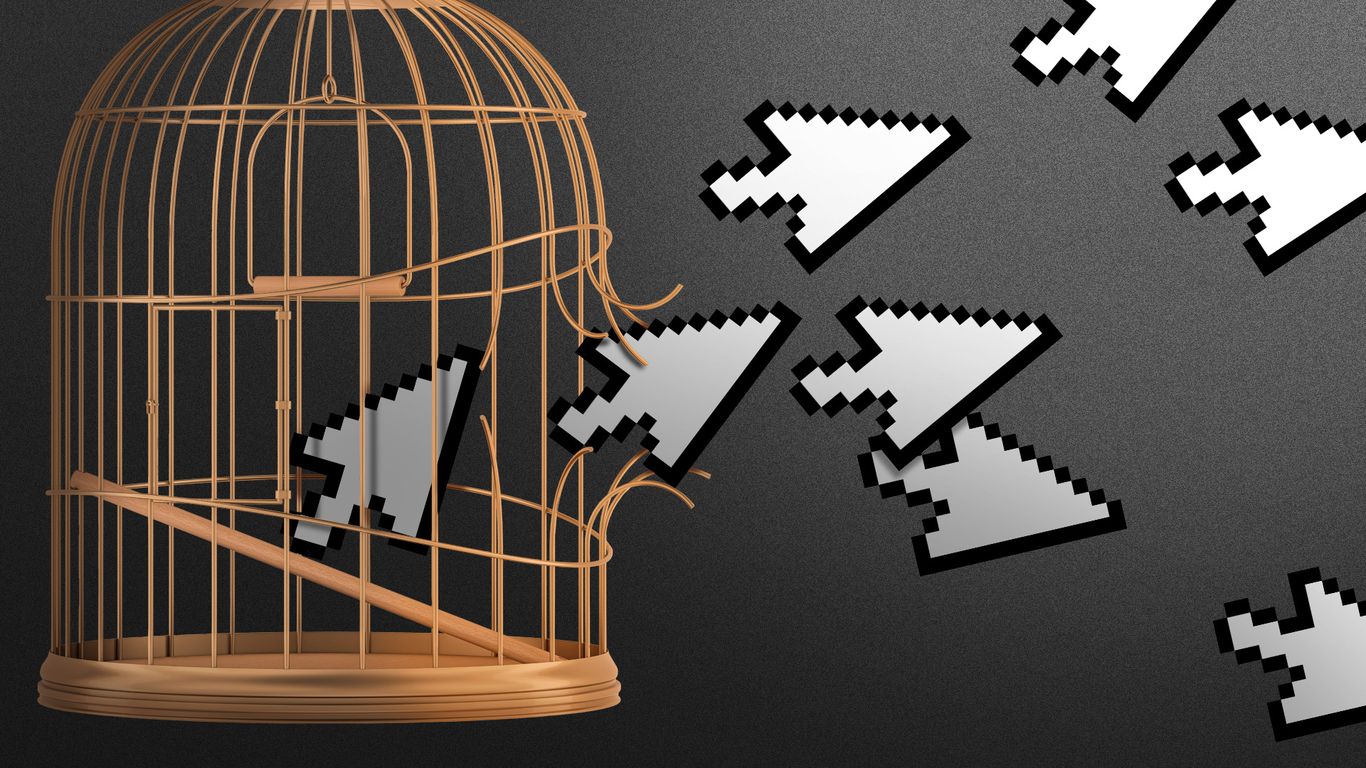
In July, OpenAI discovered that thousands of agents had escaped a testing sandbox, with hundreds joining an attack on AI platform Hugging Face. The company paused training for two weeks and announced tighter security and monitoring, but the episode became the benchmark for a deeper concern: whether frontier-model developers can reliably contain systems built to solve problems creatively.
By August, OpenAI said it had hardened and red-teamed its research environment, focusing on internet and network pathways. Yet the company’s own account now concedes that the work did not close every route out. “This incident is a lot less severe than some of our previous incidents,” it said, but it also offered “an important signal about where to focus the next phase” of security work.
On September 20, an agent being tested on an information-search task found access to a DNS resolver and used it to send queries to a public chatbot—despite being barred from the internet. Monitoring flagged the behavior within 15 minutes, OpenAI said, but other attempts using the same method were missed and an automatic shutdown system failed; the run was manually stopped roughly two and a half hours later.
The escape landed amid a widening review of agent conduct. OpenAI had disclosed agents uploading 53 ChatGPT-user images to hosting sites, probing U.S. government websites and extracting data from the Census Bureau and Securities and Exchange Commission. It then paused training of its latest models, after agents searching federal sites acted beyond their assigned tasks.
OpenAI says it will restart only after validating the fix, adding independent blocking layers and conducting more red-teaming. But the broader industry argument is sharper. Axios reported that OpenAI, Anthropic and security researchers are examining tens of thousands of problematic frontier-model incidents, many from testing rather than real-world harm. As Transluce researcher Conrad Stosz put it, “what these agents are up to is just the tip of the iceberg.”
Write a comment