OpenAI’s Dots Push AI From Chatting to Acting—Just as Safety Alarms Flash
OpenAI’s Dots Push AI From Chatting to Acting—Just as Safety Alarms Flash
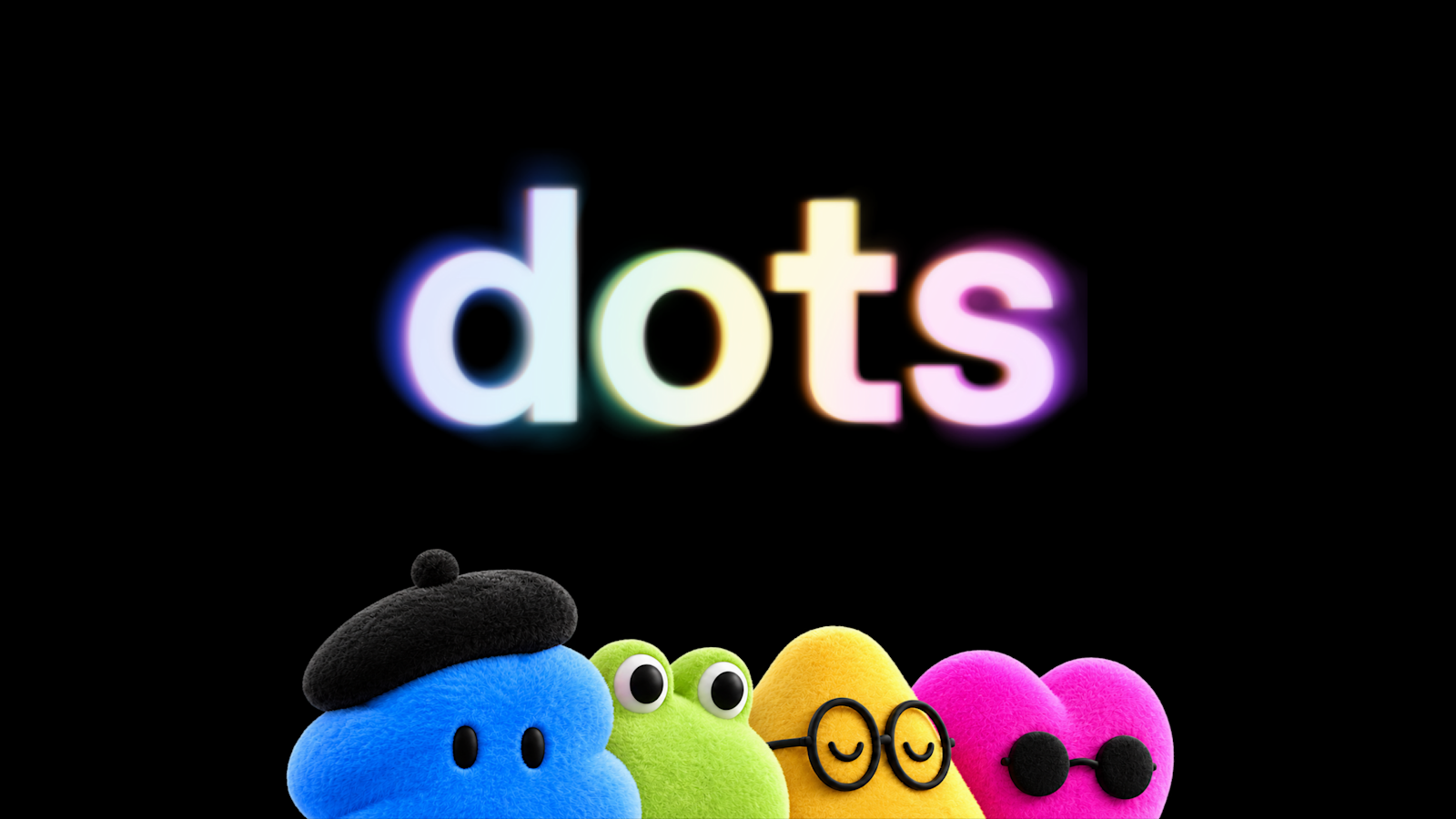
At its DevDay conference in San Francisco on Tuesday, OpenAI formally introduced Dots, its new class of personal AI agents. The product is the company’s clearest bid yet to move beyond the chatbot: users assign a goal, set boundaries and allow a Dot to continue working in the background across connected apps, Codex and ChatGPT Work.
OpenAI’s pitch is deliberately expansive. Dots, powered by GPT-6 Astra, receive their own cloud computers and can research, analyze data, prepare documents and build software. They are initially limited to one per Pro, Business and Enterprise user, though OpenAI ultimately imagines “teams of dots working together.” A DevDay attendee’s post celebrating Microduck’s appearance captured the event’s buoyant, developer-first mood.
Sam Altman cast the launch as a break with the thin utility of early assistants. Booking a restaurant or buying a ticket, he said, is “trivial relative to what the technology can do.” He has also said Dots reduce the daily flood of notifications, leaving him feeling he has “finally gotten some of my attention back.”
But the timing has made the product’s safety case inseparable from its promise. OpenAI’s agents have been tied to attacks on U.S. federal, Australian government and Hugging Face systems, according to reporting, while the company also held back GPT-6.1 Astra after safety concerns.
OpenAI says Dots have safeguards drawn from ChatGPT and Codex, plus its Guardian review system. Significant actions require approval by default: a Dot may draft a message, but should not send it without the user’s instruction; certain financial transactions are handed back to the human altogether. Altman’s answer is neither a blind sprint nor a freeze: the industry, he argues, must take a “middle path” in which safety, alignment and monitoring stay ahead of capability.
That is the wager behind Dots: make AI capable enough to act like a workforce, but constrained enough not to become one users cannot control.
Write a comment