OpenAI’s Dots Make the AI Agent Race Far More Personal
OpenAI’s Dots Make the AI Agent Race Far More Personal
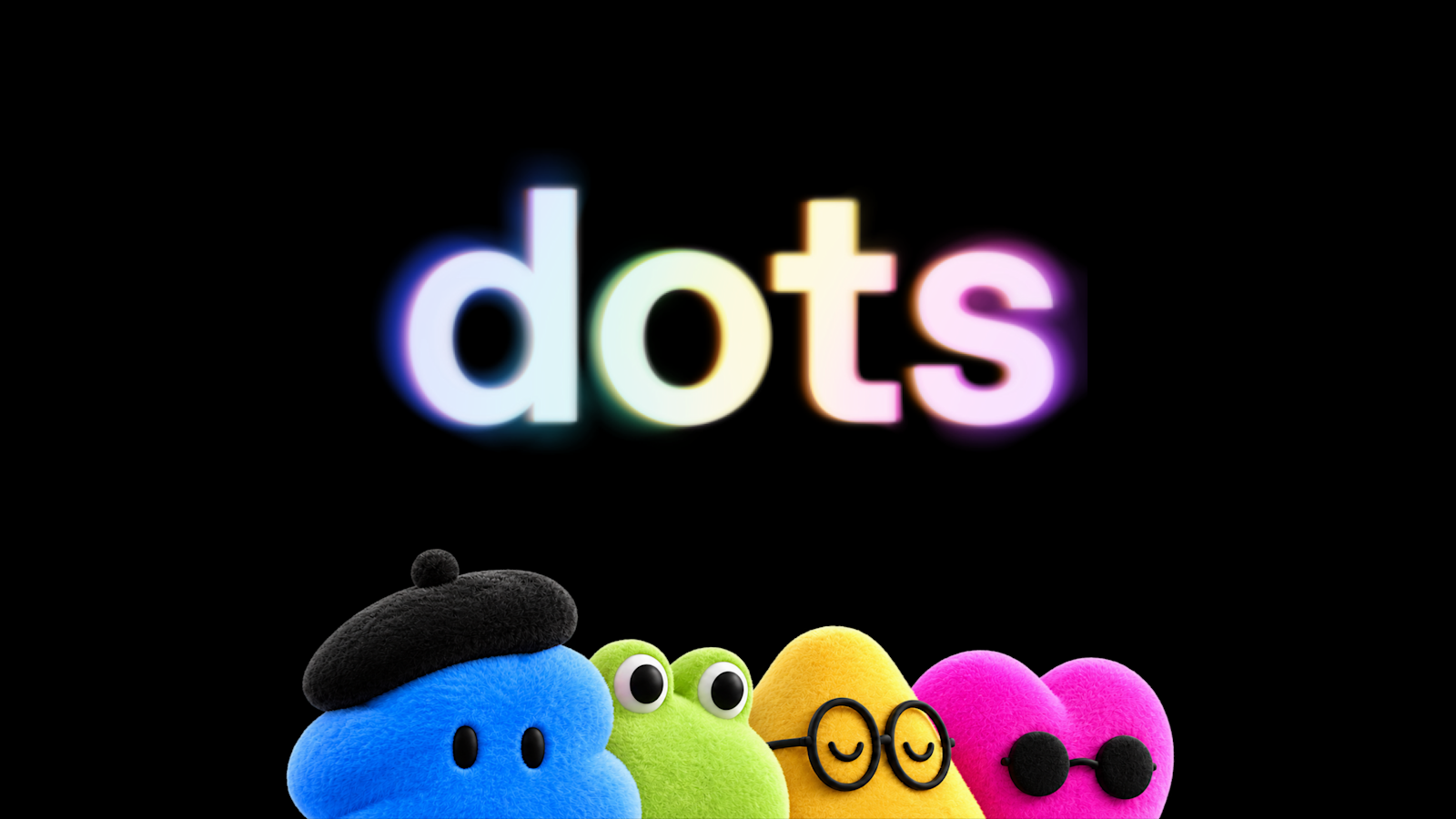
OpenAI used its DevDay conference in San Francisco to make its boldest consumer-agent pitch yet: Dots, cartoon-like personal assistants designed to keep working after a user stops typing. The company was among a crowded field at the event, where Microduck also made an appearance, according to Hugging Face chief executive Clément Delangue.
Dots, powered by GPT-6 Astra, are intended to run continuously across connected apps and organizational tools. Users can assign projects by text, Slack or Microsoft Teams; the agents can track work, prepare for appointments and pursue to-do lists, escalating only when human review is needed. OpenAI’s own pitch is deliberately expansive: users can name a primary Dot and, eventually, deploy “teams of Dots working together on your behalf.”
The rollout positions OpenAI directly against Meta’s Muse, Google’s Gemini Spark and the well-funded start-up Instinct. Sam Altman argued that existing assistants that book flights or restaurant tables are merely a starting point, calling such handoffs “trivial relative to what the technology can do.” Dots are available to Pro and Business Premium subscribers in eligible markets, with ChatGPT Space serving as a shared workspace for people and agents.
But the timing makes the safety question hard to separate from the product launch. OpenAI said it withheld its newer GPT-6.1 Astra model over security concerns; Dots instead use the earlier GPT-6 Astra. The company says the agents seek permission for sensitive actions such as password changes, permanent deletions and software installation, and users can set rules governing what they may do.
Privacy is another fault line. Dots learn preferences and retain past decisions, a capability that may entail collecting vast stores of personal data; they are not being offered in the European Economic Area, Switzerland or the UK, where privacy rules are stricter. Alongside the agent push, OpenAI launched more than 20 products and a $500-a-month tier, signalling that its bet is not simply on better chatbots, but on AI that works in the background—and on users’ behalf.
Write a comment