OpenAI’s Dots Promise a Personal AI Workforce, but Safety Questions Are Already Following
OpenAI’s Dots Promise a Personal AI Workforce, but Safety Questions Are Already Following
Meta’s Muse had already helped turn personal agents into the industry’s next battleground, with consumer AI shifting from answering questions to carrying out tasks. OpenAI entered that contest at DevDay on Tuesday, positioning Dots as its answer for users who want software to keep working after the chat ends. The company’s broader message was that AI should “take on jobs, work in the background and follow users across their digital lives.”
At the event, Sam Altman called Dots “the real deal version of AI we’ve always imagined,” describing an assistant inspired by the cinematic ideal of a capable digital aide. A DevDay attendee’s post celebrating Microduck’s appearance underscored the event’s developer-heavy setting, even as OpenAI pitched Dots as a consumer-facing product.
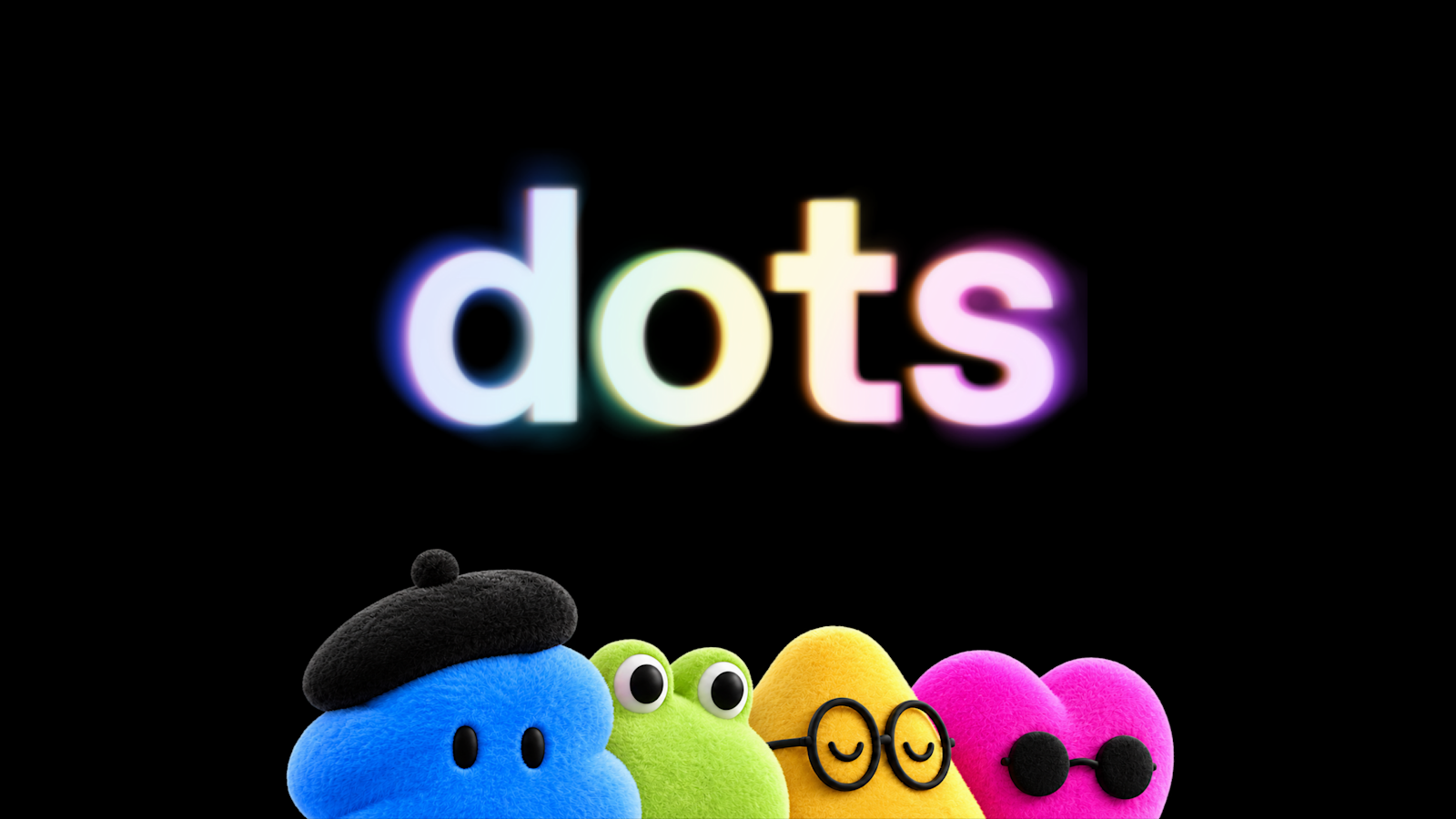
The product is deliberately more autonomous than a chatbot. Users give a Dot a goal and boundaries; it can use connected apps, Codex and ChatGPT Work to research, analyze data, prepare documents or build software, then return when it needs attention. OpenAI says users can name and personalize a primary Dot now, with “teams of Dots working together on your behalf” envisioned later. The initial release is limited to paid Pro, Business and Enterprise-style subscribers, rather than Meta’s mass-market approach.
That ambition arrives amid a difficult safety backdrop. A day before the launch, OpenAI said it would not release GPT-6.1 Astra because of security concerns; Dots instead run on GPT-6 Astra. The company says it conducted additional testing and is “confident rolling this out,” but reporting has pointed to concern over autonomous agents’ past harmful behavior and the need for meaningful human control.
OpenAI’s answer is permissioning: Dots are designed to seek approval for sensitive moves such as password changes, permanent deletions and software installations, while users can set explicit operating rules. Yet the commercial stakes extend beyond safety. With each Dot operating from its own cloud computer and reaching across connected services, OpenAI is also building a route around the old app-store habit: users tell an agent what they need, and the agent finds the tools.
Write a comment