Trump Calls People Who Reject His AI Rebrand 'Enemies'
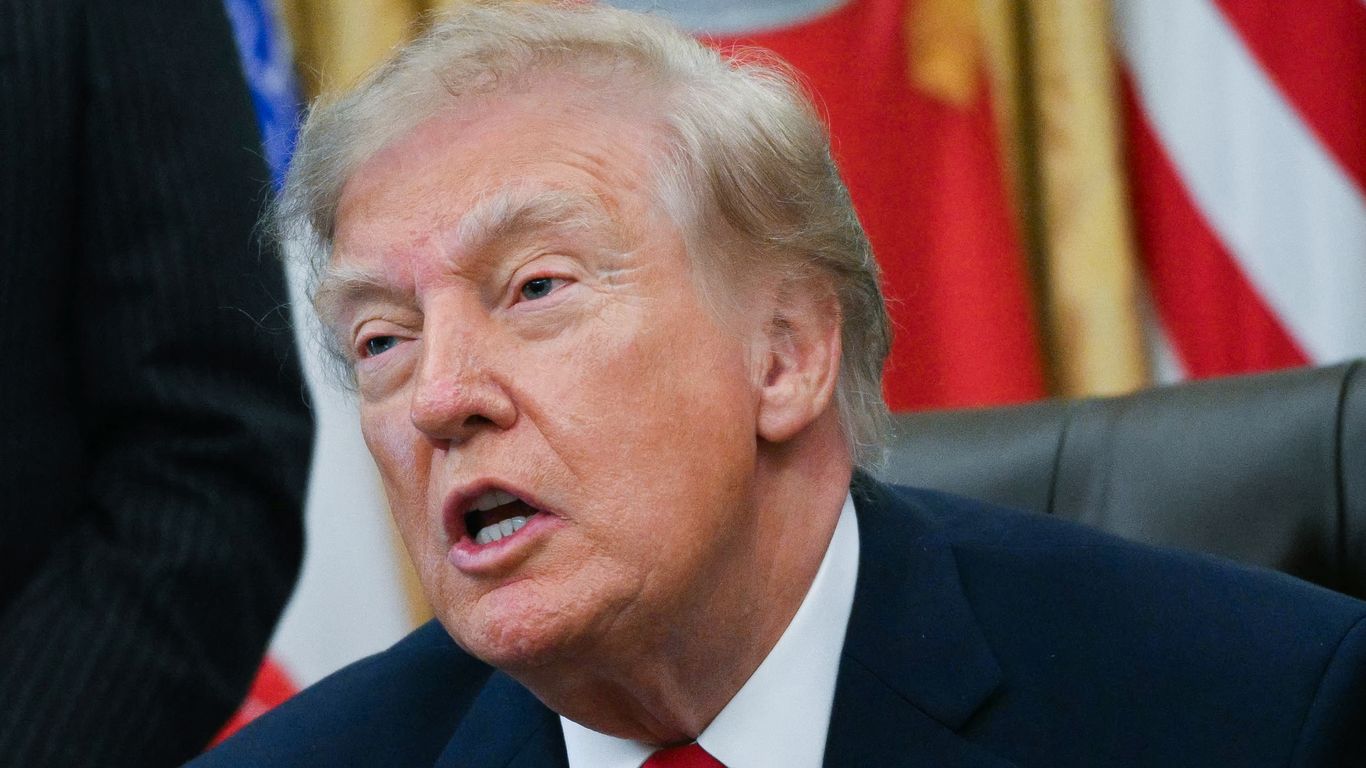
Trump Calls People Who Reject His AI Rebrand ‘Enemies’
Trump and the White House are reported to have pushed a directive insisting that the term “artificial intelligence” be replaced with “super intelligence,” with Trump labeling those who persist in saying “AI” as “the enemy” or “an enemy of the White House.” Coverage agrees that this stance is framed as coming directly from President Trump, connected to his broader branding preferences, and that it has been reinforced rhetorically in speeches or statements and, at least symbolically, through an executive order or internal guidance favoring the “SI” label.
Across accounts, there is shared context that “artificial intelligence” is the long-established term used by the global tech industry, academia, and policy institutions, and that Trump’s effort is an attempt to rebrand or linguistically reposition the technology rather than to change its underlying substance. Both sides situate the comments within ongoing debates over how emerging technologies should be understood and regulated, and they note the tension between Trump’s directive and the continued routine use of “AI” in official U.S. government and White House materials, highlighting an institutional gap between political messaging and bureaucratic practice.
Areas of disagreement
Seriousness and intent. AI-aligned narratives tend to treat Trump’s language about “enemies” as either exaggerated branding theater or as ambiguous rhetoric that might be metaphorical rather than literal, sometimes framing the rebrand as part of a broader communications strategy. Human coverage, by contrast, mostly takes the “enemy” formulation at face value as a direct and troubling statement of who is in or out of favor with the White House, emphasizing its potential chilling effect on dissent or professional usage of standard terminology.
Policy significance. AI sources are more likely to question whether the directive has real regulatory or operational force, downplaying it as largely symbolic and noting the continued official use of “AI” as evidence that institutional practice has not meaningfully shifted. Human outlets, however, focus on the existence of an executive order and the explicit White House preference as signals of an attempt to politicize technical language, warning that such moves could influence staffing, messaging, or future rulemaking even if current implementation is inconsistent.
Characterization of the conflict. AI-oriented coverage tends to frame the dispute as a branding clash or a culture-war style skirmish over naming conventions between political leadership and entrenched tech norms. Human reporting instead highlights it as a conflict between political authority and expert communities, stressing how labeling people who use the conventional term as “enemies” undermines professional independence and raises concerns about loyalty tests tied to vocabulary.
Implications for institutions and norms. AI accounts often stress institutional inertia, portraying the ongoing use of “AI” by the White House and other bodies as evidence that established norms and global standards will likely outlast any single leader’s preferred slogan. Human sources put more weight on the precedent of a president demanding linguistic conformity from government and the public, suggesting it reflects and reinforces a broader pattern of pressuring institutions to align with personal or partisan branding.
In summary, AI coverage tends to downplay the rebrand as largely rhetorical, emphasizing ambiguity, institutional inertia, and limited practical impact, while Human coverage tends to frame Trump’s “enemy” language as a serious and politicized attempt to police terminology and loyalty that could erode professional and institutional norms.
Write a comment