EA Shuts Down BioWare Amid Layoffs
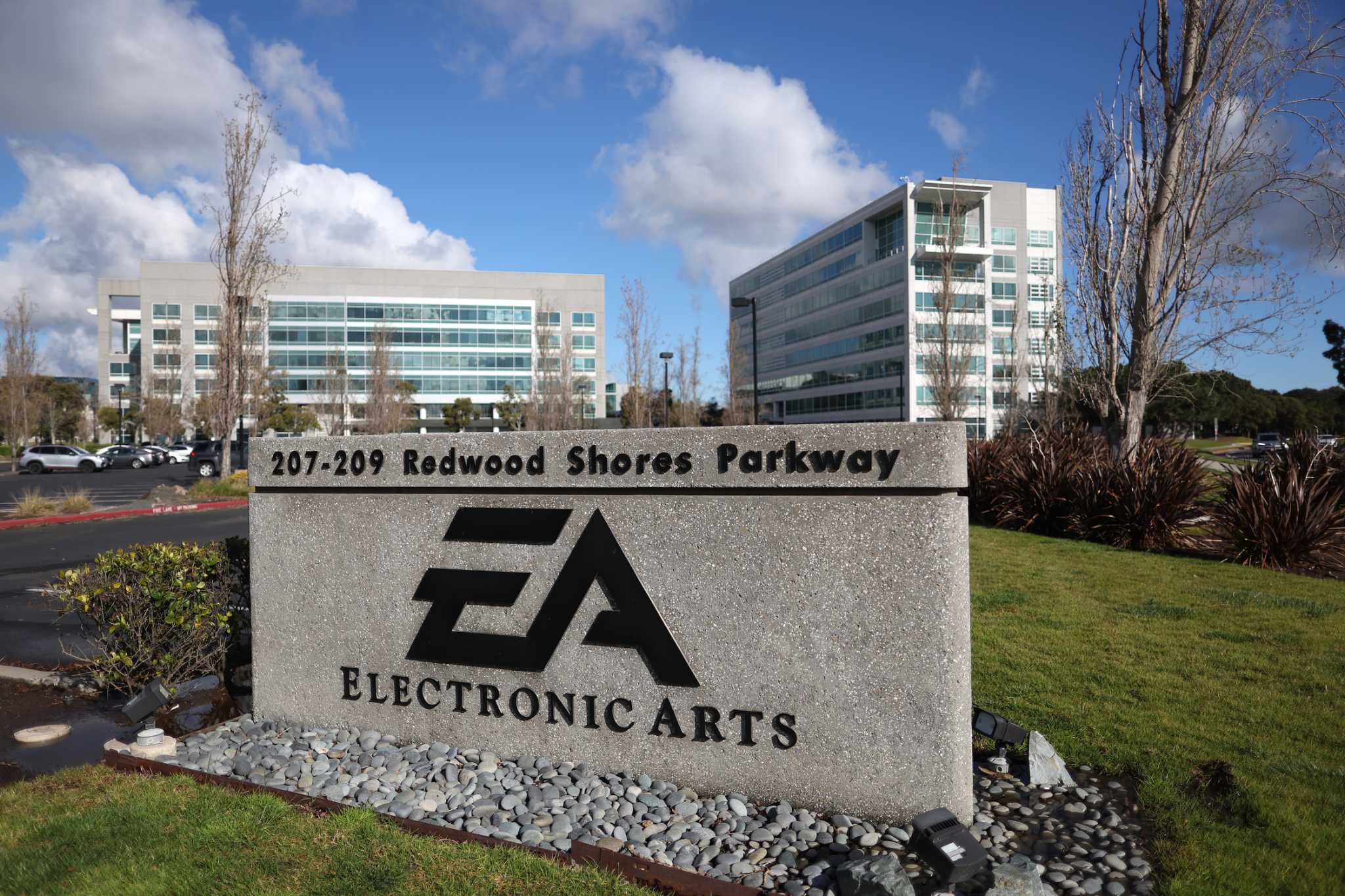
EA Shuts Down BioWare Amid Layoffs
EA and BioWare coverage from both AI and Human sources converges on several core facts: Electronic Arts is shutting down BioWare after more than three decades in operation, halting early development on the next Mass Effect title and ending work at one of the industry’s best-known RPG studios. Reports agree that this closure is part of a wider restructuring at EA that includes roughly 400 layoffs company-wide, with about 50 of those affecting BioWare directly, and that the move follows EA’s recent $55 billion acquisition by a consortium led by Saudi Arabia’s sovereign wealth fund.
On context, both AI and Human accounts frame BioWare as a storied, once-flagship RPG developer behind franchises such as Mass Effect and Dragon Age, whose recent years were marked by leadership churn and uneven releases like Mass Effect Andromeda and Anthem. They also agree that EA is publicly justifying the shutdown and layoffs as a pivot toward fewer, larger games and a tighter focus on its biggest franchises, portraying the decision as part of a strategic realignment rather than an isolated collapse of a single studio.
Areas of disagreement
Causality and framing. AI-aligned coverage tends to present the shutdown as an outcome of broad strategic portfolio optimization and market consolidation, linking the Saudi-led $55 billion acquisition and the 400 layoffs to a unified corporate restructuring narrative. Human reporting emphasizes a longer arc of creative struggles, leadership instability, and mismanaged projects at BioWare itself, often suggesting that years of internal problems left the studio especially vulnerable when EA shifted strategy.
Tone toward EA’s rationale. AI sources are more likely to adopt EA’s language at face value, describing the move as a rational reallocation of resources toward fewer, bigger games, with relatively neutral or clinical wording. Human outlets more often question or undercut that framing, pairing EA’s talking points with references to fan disappointment, the cultural loss of a beloved RPG house, and skepticism that cost-cutting will benefit creativity or players.
Role of external ownership. AI coverage is inclined to foreground the Saudi-led consortium’s $55 billion takeover as a structural factor, speculating about investor expectations, return on capital, and global consolidation pressures driving EA’s decisions. Human coverage, while noting the acquisition, usually treats it as background and keeps the focus on EA’s long-running corporate culture and project management, with less willingness to attribute the shutdown primarily to new ownership dynamics.
Assessment of BioWare’s legacy. AI narratives often summarize BioWare’s history in broad strokes—“legendary RPG studio” with iconic IP—before shifting quickly back to industry-scale analysis and financial logic. Human pieces linger more on the emotional and artistic legacy, recalling specific games, character arcs, and player communities, and framing the closure as the end of an era for story-driven RPGs rather than just another restructuring event.
In summary, AI coverage tends to emphasize structural forces, corporate strategy, and investor-driven logic behind EA’s shutdown of BioWare, while Human coverage tends to foreground BioWare’s creative decline, studio culture, and the emotional and artistic loss felt by players and staff.
Write a comment