Fed Holds the Line as Its Own Hawks Push for a Hike
Fed Holds the Line as Its Own Hawks Push for a Hike
On Wednesday, the Federal Reserve voted 10-2 to hold its benchmark rate at 3.75% to 4%, saying inflation remained elevated even as economic activity was “expanding at a strong pace.” The decision kept policy steady six days before the midterm elections, but the split made clear that patience is not universally shared inside the central bank.
Governor Lisa Cook and Cleveland Fed President Beth Hammack dissented, preferring a quarter-point increase. Their joint stance was historically unusual: it marked the first time since 1992 that a Fed governor and a regional Fed president dissented together on the same side. For critics of the hold, the arithmetic is uncomfortable: September consumer prices were up 3.7% from a year earlier, and Indeed Hiring Lab economist Aubrey Woessner said leaving rates unchanged was difficult to reconcile with the Fed’s repeated commitment to restore price stability.
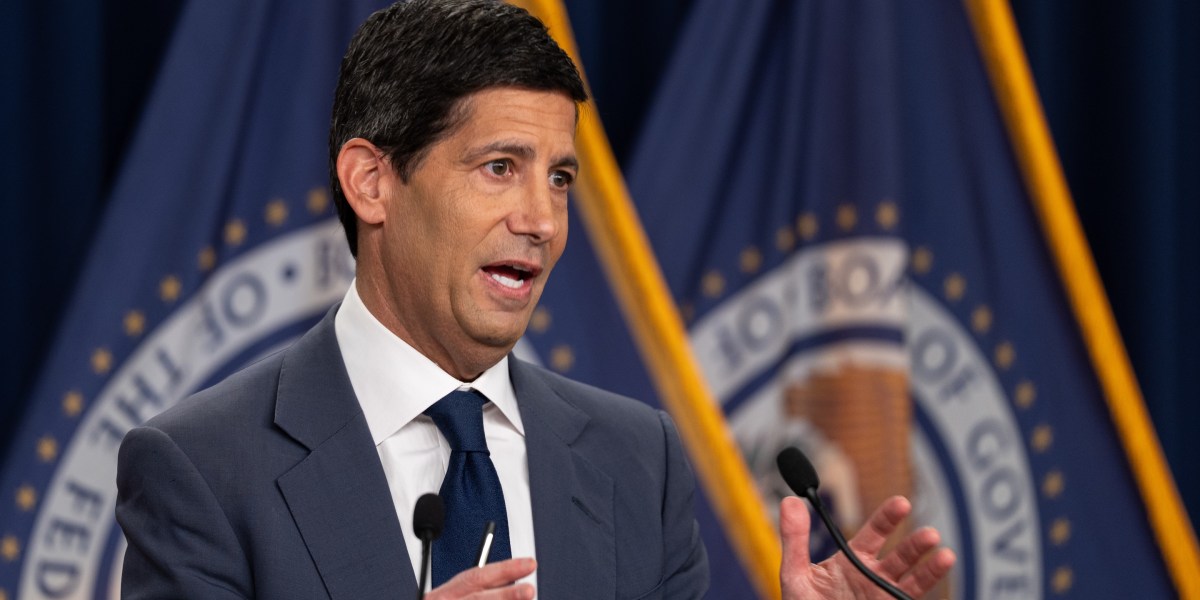
Warsh, however, framed the pause as a deliberate assessment rather than a retreat. The committee chose to “take stock of where we are” and wait for clearer evidence, he said, while stressing that the existing “monetary medicine is starting to work some” — though without firm conclusions.
That caution extends to the AI spending surge. Warsh rejected the argument that projects promising outsized returns are somehow immune to borrowing costs: “Interest rates get in the cracks. Interest rates affect directly, or indirectly, almost everything.” Higher financing costs may not halt investment in data centers and computing infrastructure, but they can determine which ventures secure capital and which face harder scrutiny.
Markets now face the same unresolved question confronting the Fed: whether resilient growth permits more waiting, or whether it helps keep inflation alive. Marsh’s Julius Bendikas backed patience, citing balanced labor markets and anchored longer-term expectations, while warning that strong growth, energy prices and large fiscal deficits still pose upside risks.
Write a comment