Washington Closes a Chip Loophole as Officials Clash Over China
Washington Closes a Chip Loophole as Officials Clash Over China
The U.S. has steadily tightened restrictions on China’s access to advanced AI chips, but the rules still left a route open: Chinese firms could rent computing power from data centers in other countries. The Trump administration’s earlier limits barred certain direct sales, while overseas access remained possible.
That gap drew fresh scrutiny amid allegations that Singapore-based data center firm Megaspeed helped route Nvidia chips to Chinese customers. The allegations have not been established: China has denied that former Megaspeed executive Alice Huang was a spy, and the company has denied smuggling chips. The controversy intensified pressure on Commerce Secretary Howard Lutnick, with Treasury Secretary Scott Bessent faulting the department for not blacklisting Megaspeed.
On Monday, Commerce issued an interim rule requiring licenses for advanced chips and servers that could provide computing power to companies in China and other restricted countries. It also adds licensing requirements for chip transfers to Indonesia, Malaysia, Singapore, Thailand and Brazil, which the department says pose a higher-than-normal diversion risk. Existing data-center operators have 90 days to seek licenses.
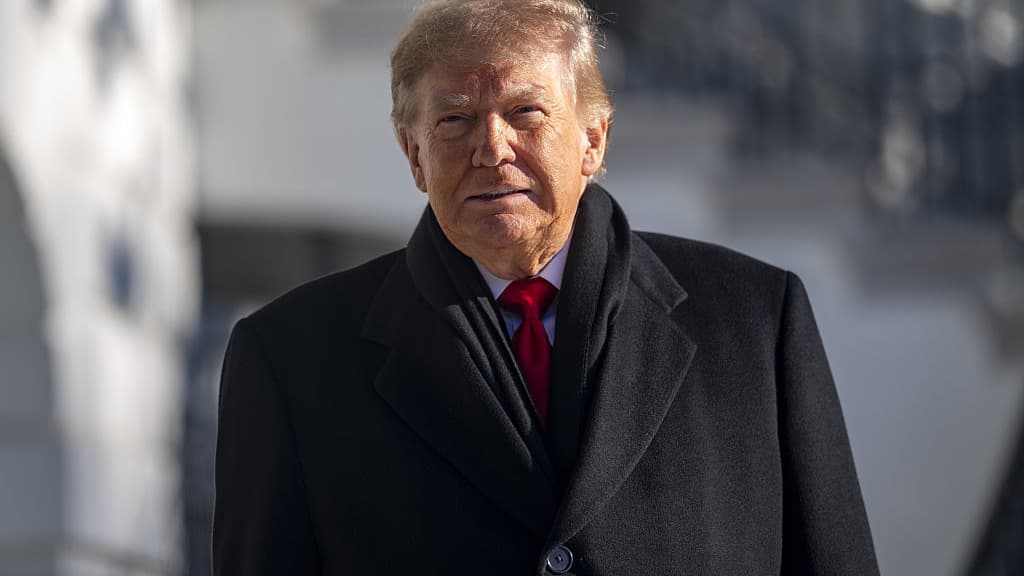
The rule reflects a deeper argument over whether to prioritize national security or preserve commercial access and diplomatic room. President Donald Trump described the split as one side wanting to avoid a confrontation with China and the other willing to risk one; he said he understood both positions. A post shared by David Sacks similarly emphasized avoiding an insult to Beijing ahead of Trump’s visit.
China is likely to view the restrictions as politically motivated, while analysts cited in Chinese media warn they could accelerate a shift to domestic chips and erode U.S. influence. A separate argument for allowing rentals is that overseas compute brings revenue to U.S. companies. Others contend that reserving the most advanced chips for the U.S. has been a national-security success. A final warning from a widely shared post: a chip ban could come with a recession.
Write a comment