How to defeat the wizard of fear fairy tale for kids
- Verify the supplier before placing the order
- Use the warehouse as a control point
- Reinforce packaging according to the cargo
- Consolidate compatible batches
- Acceptance checklist before dispatch
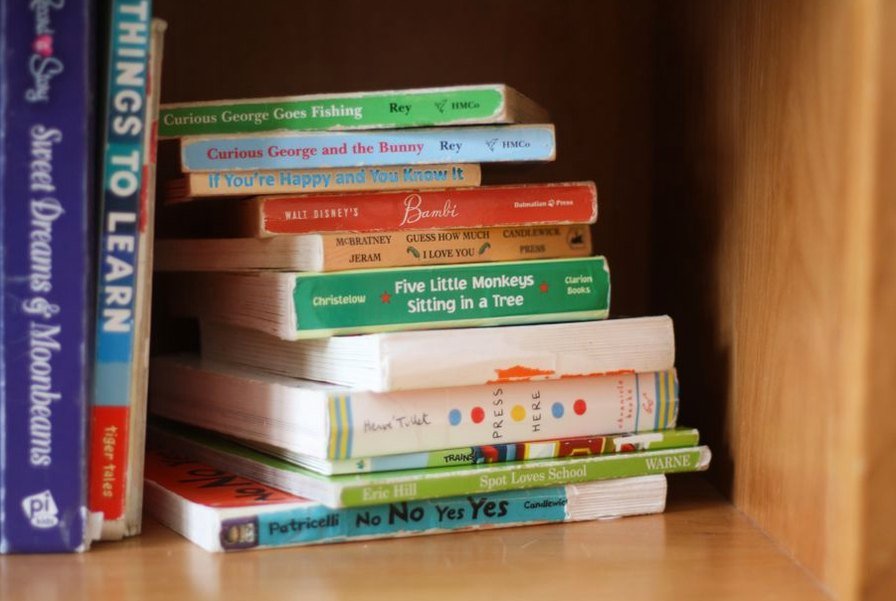
When a children’s fairy tale becomes a printed book, card set, costume, or classroom prop, supplier control determines whether the finished batch is safe, consistent, and commercially usable. The purchasing process should begin with supplier verification, followed by a warehouse inspection, stronger packaging, and consolidation of compatible orders. These steps reduce damaged cartons, mixed specifications, and costly rework before the shipment leaves the origin warehouse.
Verify the supplier before placing the order
Supplier verification should establish what the factory actually produces, who controls quality, and whether the listed specification matches the goods offered. A polished online profile does not prove that a supplier can make child-oriented products consistently.
- Request the registered company name, factory address, production photos, and a current product catalogue. Compare these details with the business information on the quotation and commercial invoice.
- Ask for samples from the same production line that will handle the batch. A sample made for marketing may use better paper, thicker plastic, or more careful finishing than regular production.
- Confirm the material, dimensions, printing method, colour requirements, accessories, and packaging format in writing. Vague descriptions create disputes when the goods arrive.
- Check whether the supplier accepts pre-shipment inspection and correction of defects. A factory that refuses basic quality control creates a larger financial risk than a slightly higher-priced supplier.
For a product connected with how to defeat the wizard of fear fairy tale for kids, the buyer should also check the wording, illustrations, character names, and age guidance. A typo in a printed story or an unsuitable image can make an entire batch difficult to sell, even when the physical goods are intact.
Use the warehouse as a control point
The warehouse inspection should happen before consolidation or export packing. It gives the buyer a chance to identify problems while replacement stock remains practical to arrange.
Ask for photographs of outer cartons, product labels, barcode areas, and randomly opened units. The inspection should compare the delivered goods with the approved sample, purchase order, and packing list. Count the cartons and record visible damage, moisture marks, crushed corners, loose seals, and differences between colour variants.
For printed materials, inspect page order, trimming, binding, colour registration, and surface scratches. For toys or props, check loose parts, sharp edges, broken fasteners, and missing accessories. A warehouse team cannot replace a production batch, but it can separate questionable goods and document the problem before loading.
Mixed cartons deserve special attention. Suppliers sometimes place several colours, sizes, or designs together to save space. That may reduce carton volume, but it increases sorting time and raises the chance of sending the wrong item to a customer. Request separate carton markings when product variants need separate inventory records.
Reinforce packaging according to the cargo
Packaging reinforcement should match the product’s weak points rather than add material indiscriminately. Books need protection from moisture and corner compression. Costume pieces may need wider cartons to prevent folding. Plastic props need internal separation when friction can scratch printed surfaces.
- Use inner bags or sealed wrapping for paper goods when the route includes humid storage conditions.
- Add corner protection for books, boxed games, display boards, and other rigid products that can suffer edge damage.
- Separate fragile parts with paperboard, foam, or another suitable divider when pieces can strike each other in transit.
- Mark carton contents clearly, including quantity, variant, carton number, and handling instructions where relevant.
- Photograph the reinforced cartons before dispatch so the agreed packing method can be checked later.
Extra packaging has a cost and can increase shipment volume. It is usually worthwhile for goods with a high retail value per unit or a high rejection rate after cosmetic damage. It becomes less attractive when the product is inexpensive, easily replaced, and packed in durable factory cartons already suited to the route.
Consolidate compatible batches
Batch consolidation combines goods from several suppliers at one warehouse before dispatch. This arrangement can reduce separate handling and simplify delivery, but only when the products are ready within a compatible schedule.
Group goods with similar storage needs and similar packaging strength. Paper books, fabric items, and rigid plastic accessories may share a shipment, yet they should remain separated inside the consolidated cargo. Heavy cartons should not sit on light boxes, and moisture-sensitive goods should not be placed beside products with wet or poorly sealed packaging.
Consolidation is less useful when one supplier delays the whole shipment or when a small order requires repeated repacking. Set a final receiving date for each batch and decide in advance whether late goods will ship separately. This prevents one missing carton from holding all completed stock.
Acceptance checklist before dispatch
- Supplier identity and production details match the quotation.
- Approved samples match the inspected goods in materials, design, and finish.
- Quantities, variants, carton numbers, and labels match the packing list.
- Printed text and illustrations have been checked for errors and unsuitable content.
- Damaged, incomplete, or inconsistent units are isolated and documented.
- Packaging protects corners, surfaces, loose parts, and moisture-sensitive items.
- Consolidated batches have compatible storage and loading requirements.
- Final warehouse photographs and inspection records are saved before dispatch.
Use this checklist before accepting the shipment, while corrections are still cheaper than customer returns or a replacement order.
Write a comment