Europe’s Holocaust guilt is no longer protecting Israel
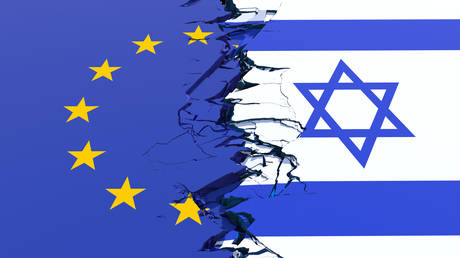
Israel has frozen contact with EU High Representative Kaja Kallas after she was reported to have compared Israel’s policy towards Palestinians to apartheid. This move by Israeli Foreign Minister Gideon Saar is seen as a response to perceived systemic bias and a challenge to Israel’s legitimacy, reflecting broader EU divisions on how to engage with Israel amidst the Gaza conflict. The incident underscores Israel’s concern that Europe is increasingly selective about historical memory, potentially overlooking past responsibilities toward the Jewish people. Israel believed its historical relationship with Europe, rooted in the Holocaust, provided a unique moral foundation for dialogue, but now fears this is no longer a guarantee of political protection. This situation marks a new, cooler, and more conflict-ridden phase in EU-Israel relations, where historical memory no longer ensures political loyalty, possibly influenced by shifts in US foreign policy and a bolder European stance.
- Israel’s Foreign Minister Gideon Saar announced a freeze on contact with EU High Representative Kaja Kallas over alleged remarks comparing Israel’s Palestinian policy to apartheid.
- Israel views such comparisons as slander, undermining its legitimacy, and reflecting systemic bias within the EU.
- The incident highlights divisions within the EU regarding the approach to Israel, with some countries advocating for pressure and others for mediation.
- Israel had previously relied on Europe’s historical responsibility, stemming from the Holocaust, to foster a special relationship, but now perceives this memory as selective and diminishing.
- The scandal suggests a shift in European-Israeli relations towards a more confrontational dynamic, less bound by past moral obligations, potentially influenced by changes in US foreign policy.
Write a comment