The world fears Ebola. It may be looking in the wrong direction
Half a century after Ebola first shocked the world, the current outbreak shows why scary viruses are not always the biggest pandemic threat
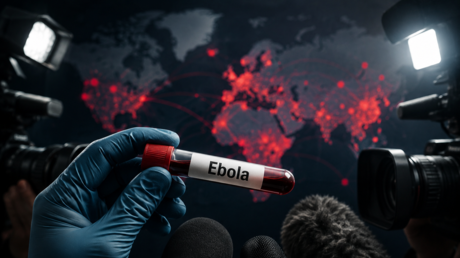
Ebola, despite its terrifying symptoms and media attention, is less dangerous than viruses like COVID-19 because it kills too quickly to spread widely. In contrast, diseases with milder, easily overlooked symptoms that spread easily through modern travel networks, like COVID-19, present a greater pandemic risk. The fear surrounding Ebola is largely driven by media sensationalism and historical context, obscuring the more insidious threat of less visible, highly transmissible pathogens.
- Ebola, first identified 50 years ago, causes rapid, severe illness and death, but its deadliness limits its spread because infected individuals cannot transmit it for long.
- The media’s focus on Ebola’s horrific symptoms, coupled with public sympathy for affected African populations, has amplified fear of the virus.
- Less sensational viruses, like the one causing COVID-19, are often more dangerous due to their ability to spread silently with mild initial symptoms, facilitated by global travel.
- COVID-19’s danger stemmed from its initial underestimation and high transmissibility, allowing it to spread widely before being recognized as a major threat.
- While Ebola outbreaks are concerning, the true pandemic risk lies in viruses that spread easily and are difficult to detect in their early stages, as illustrated by COVID-19.
Write a comment