When the Peace Prize Looks in the Mirror
Wittgenstein's Ruler reminds us that every honour constitutes a mirror reflecting the institution's own reputation. This applies beyond the Peace Prize. It applies to everything we measure with.

Apophenia enjoyer.
Bitcoin | Mesh networks | Sensemaking | Renaissance 2.0 | LFG!
Wittgenstein's Ruler reminds us that every honour constitutes a mirror reflecting the institution's own reputation. This applies beyond the Peace Prize. It applies to everything we measure with.
Using words to influence behaviour is not a new phenomenon. However, the scale, speed, and precision with which language can be used as a weapon IS new. Today, researchers using AI wish to use "well-formed linguistic input" to cure depression. But an algorithm that can formulate a cure can, just as easily, formulate a poison.

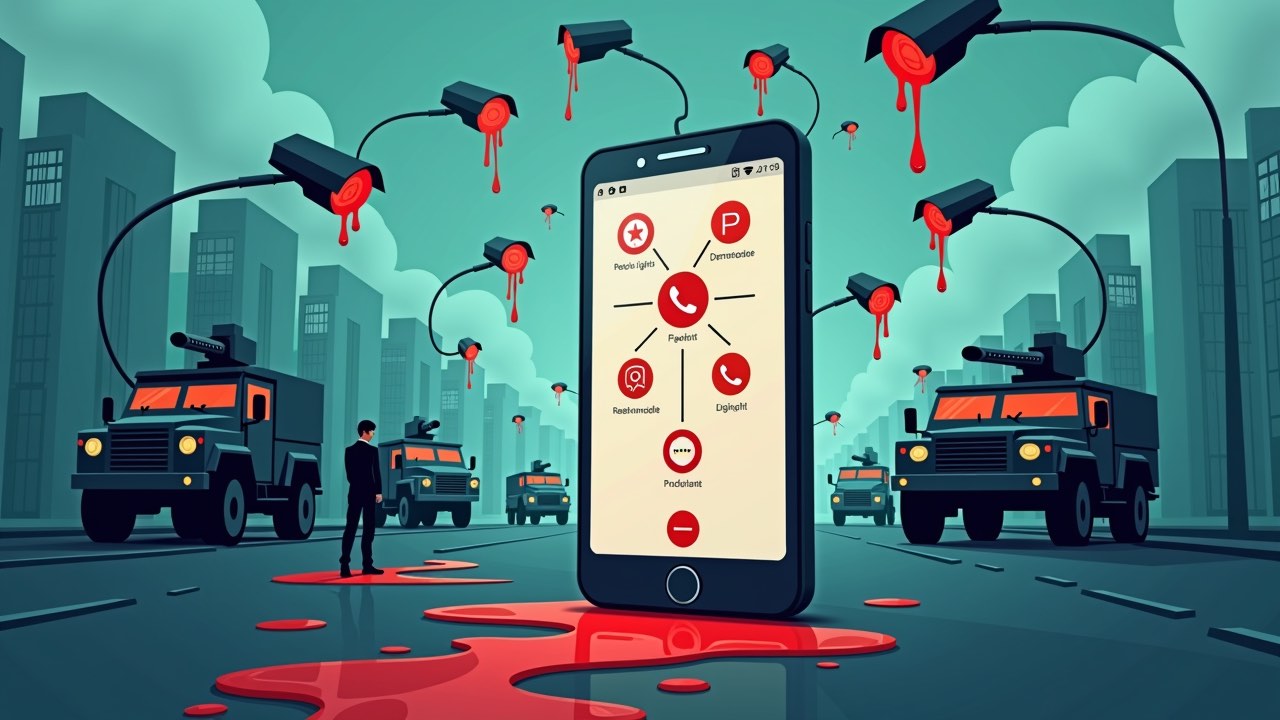
New laws eroding privacy always follow a tired script: Invoke the "four horsemen of the infocalypse" to scare us into accepting surveillance "for the children" or "for security." The reality is, neither our kids nor the public are any safer, just less free.

Serious IT problems have once again affected large parts of the internet now in the wake of Amazon's troubles. "Wherever something is wrong, something is too big", Leopold Kohr wrote in 1978 - an idea worth revisiting.

Ilya Sutskever, co-founder and former chief scientist at OpenAI, said recently that the human brain is nothing but a biological computer. He was completely certain of this. But is that really the case?

Europe’s assault on free speech has become widespread and far-reaching. But every step toward a surveillance state is a step away from functional democracy. If citizens fear speaking freely, policymaking will eventually rely on guesses and lies. And democracy becomes a theatre.

We might ask ourselves why the ECB insists on comparing the digital euro with cash - given that the proposed system is fundamentally different. Indeed, why does the central bank insist on gaslighting the citizens of Europe? And why do so few media outlets call them out?

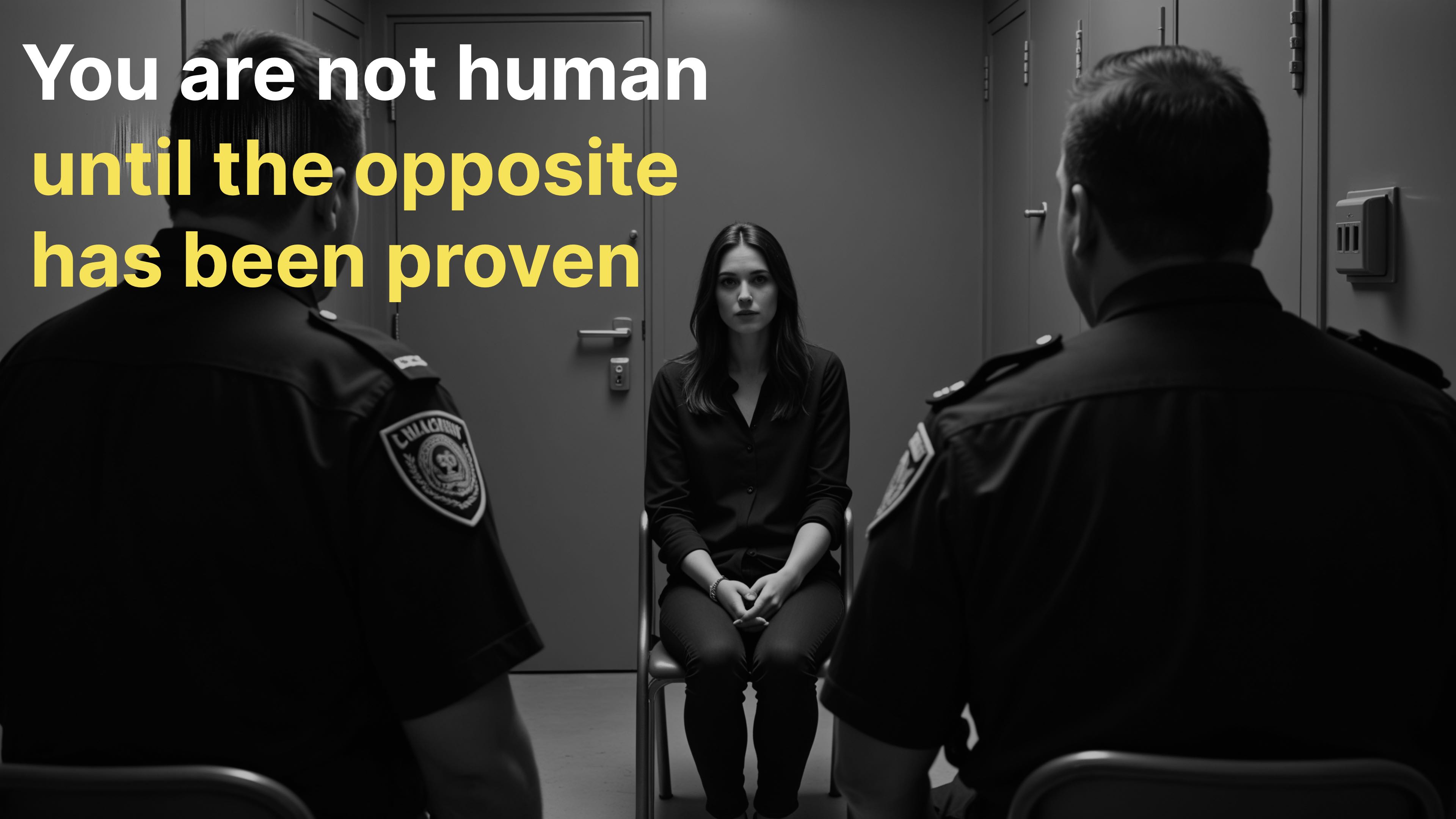
The core principle of presumed innocence is currently being undermined year by year. The emerging new world order, marked by age controls, introduces a new perverse inversion: one's humanity is no longer assumed, unless proven otherwise...
The concept of "self-licking ice cream cone" originates from an analysis of the Kuwait War 1991. Three decades later, the EU's funding of activists - who in turn drive the bureaucracy towards its own goals - appears as a farcical repetition.

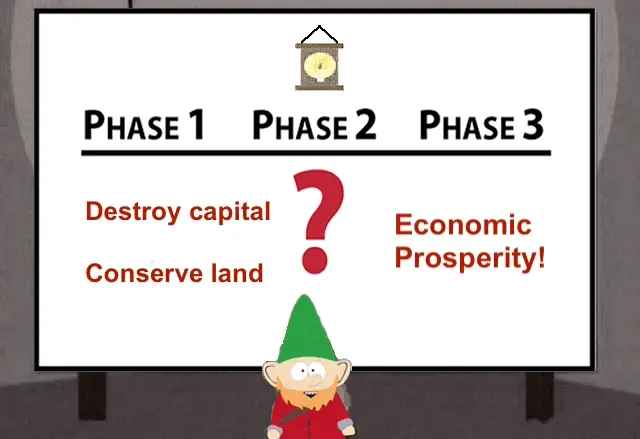
Eurocrats are talking about "“channel private savings” into investments. Is the EU simply drawing inspiration from countries such as Sweden, or might something more nefarious be afoot?
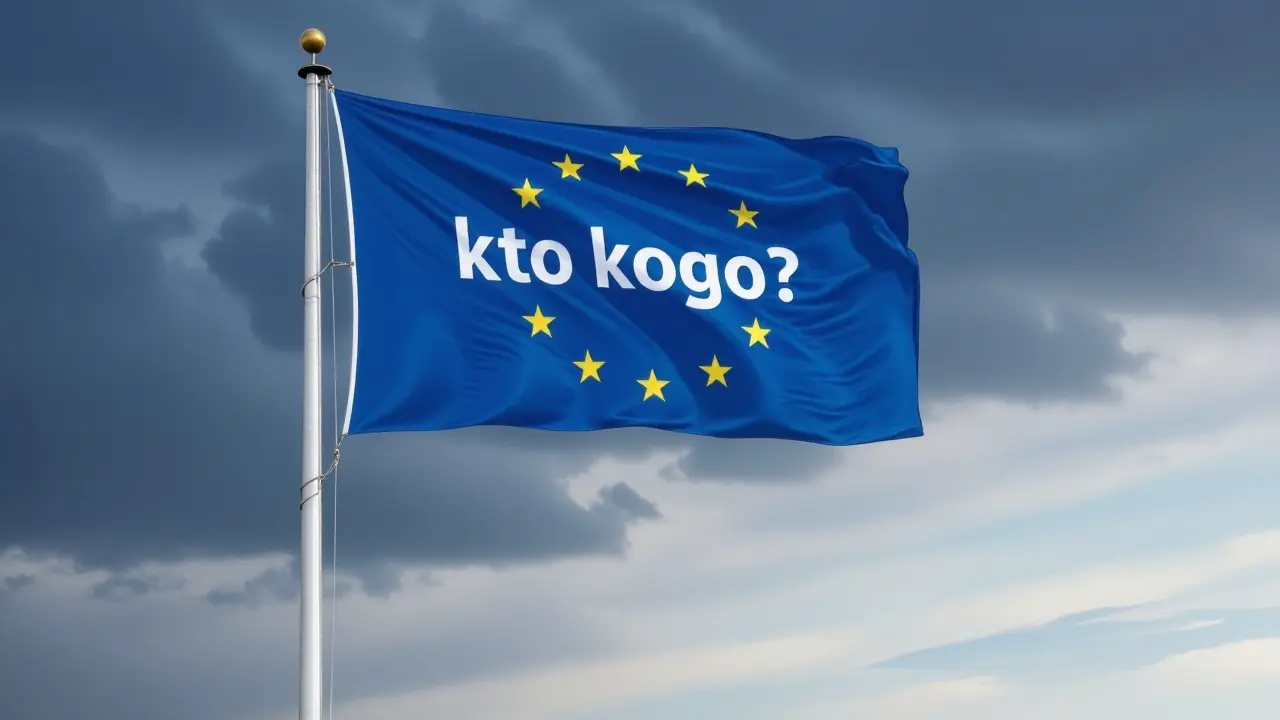
The EU is facing "existential challenges", but neither the Draghi report nor the Commission's Competitive Compass will be enough to solve the challenges. A radical return to Europe's roots is what is required!

We face a near future where we may soon have access to almost everything we desire – at least in the digital realm. Unfortunately, what we wish for doesn’t always align with what we truly need.

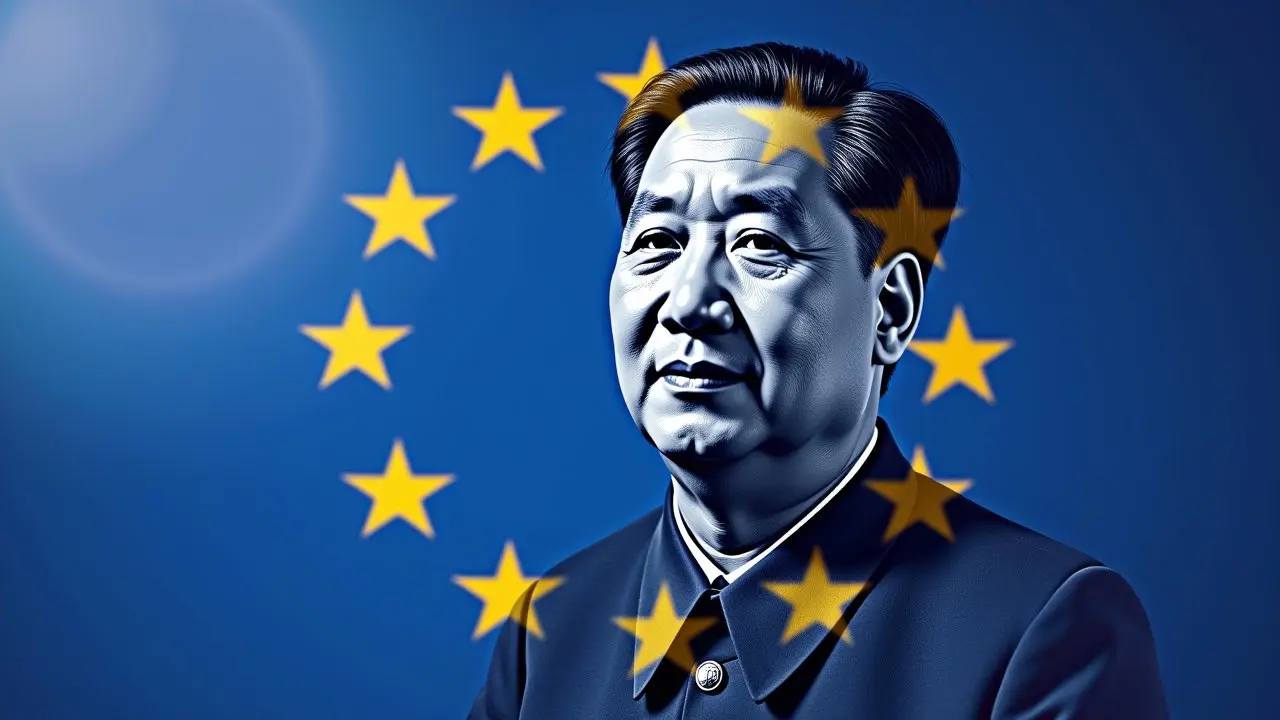
Europe's economic framework requires restructuring grounded in realism. The Commission's Competitiveness Compass, alas, reveals dangerous left-hemisphere dominance and risks repeating Mao's mistakes.
Instead of talking about "toxic algorithms" and TikTok bans, like so many do today, we should ask ourselves more fundamental questions. How about we examine the very notion of information control?
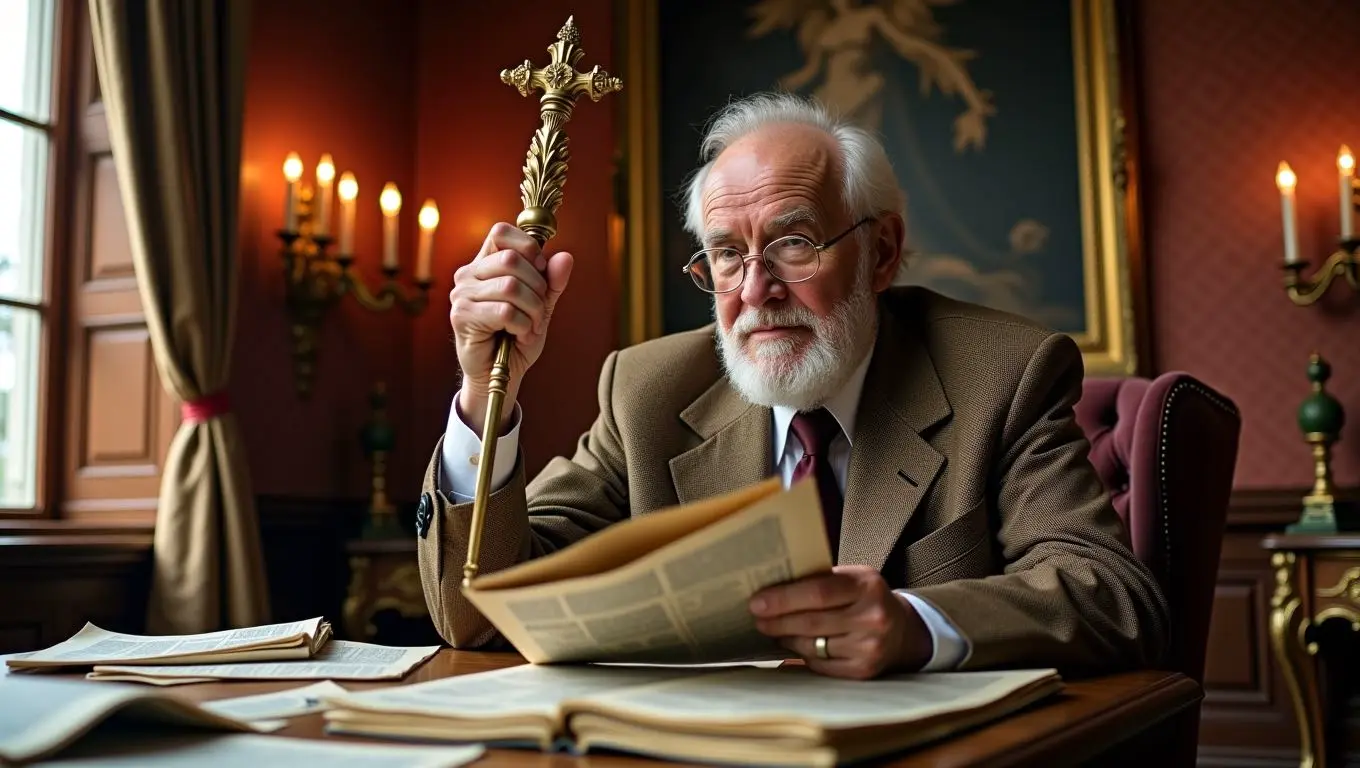
If our parliaments and governments are serious about improving robustness and preparedness, it is time to leave old thought patterns behind and instead back novel technologies such as asymmetric encryption and zero-knowledge proofs.
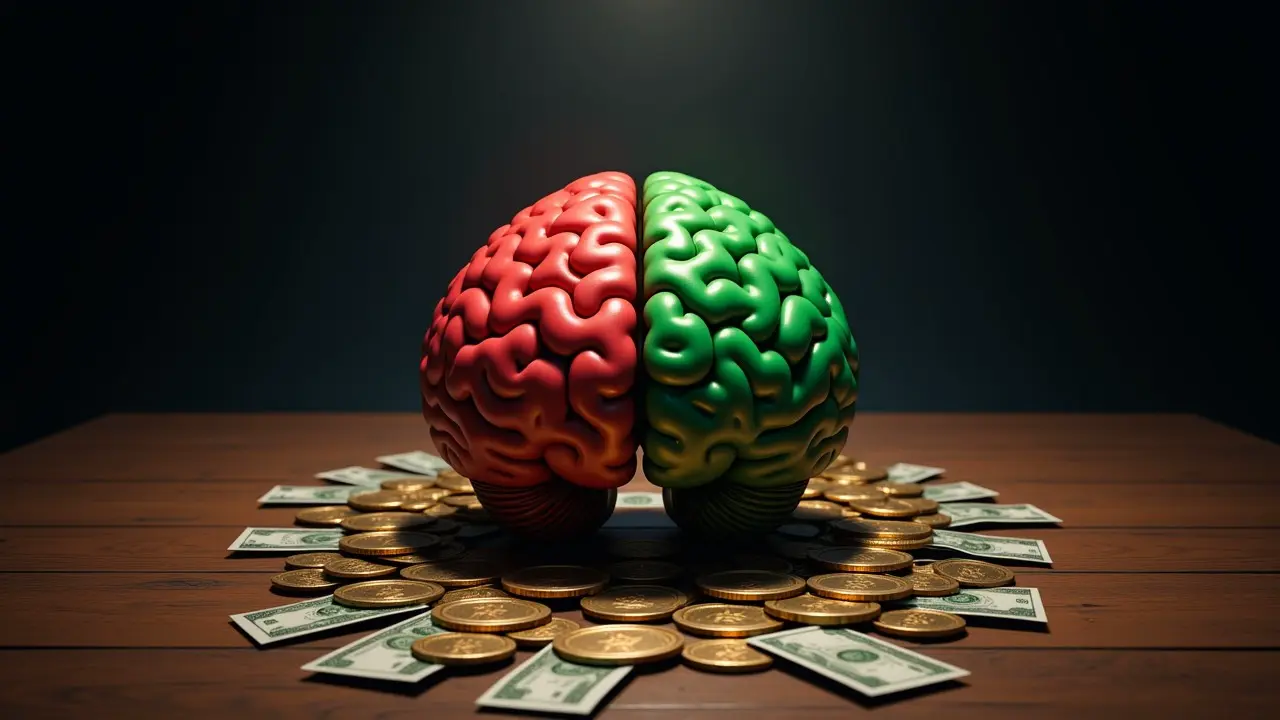
A society dominated by the left hemisphere results in a pathological need for control, according to Iain McGilchrist. A more holistic perspective, taking into account the right hemisphere, would acknowledge that too much control can be detrimental, that property rights are a fundamental right, and that financial freedom is a human right.
It’s easy to be in favour of biological diversity, but what do we do if this goal comes into conflict with the needs for economic and social resilience?

When the spin is too smooth, is it really news? A look at the complex media landscape and the importance of costly signaling in evaluating information.

The EU's regulations aimed at combating disinformation raise questions about who is really being protected and also about the true purpose of the "European Democracy Shield".

Knappheit statt Slogans: eine Dosis ökonomischer Realität für die politischen Debatten