Efficiency talk is purpose talk
Your computer sits idle 95 percent of the time. To Sam Altman, CEO of OpenAI, this is intolerable. The development of open AI models “is terrible,” he explained on the Cheeky Pint podcast, because it means scarce resources burning in machines like yours when they could be running at full tilt in his. That a seller of a service argues that not renting from his company is a bad idea should surprise no one. But the argument deserves to be answered, because the same logic now arrives from every direction: Brussels, the IMF, celebrity astrophysicists, economists. It presents itself as arithmetic, but it is something much older, a ruling on what things are for. Every measure of efficiency is a claim about purpose.
The EU is working to “channel” citizens’ savings. In bureaucratic language, this goes by the name of efficiency gains and improved resource allocation. IMF chief Kristalina Georgieva speaks of putting “lazy money” to work.
But what is money really for? As early as 2,400 years ago, Aristotle had a word for it: telos (purpose). The purpose of a thing is what makes it what it truly is.
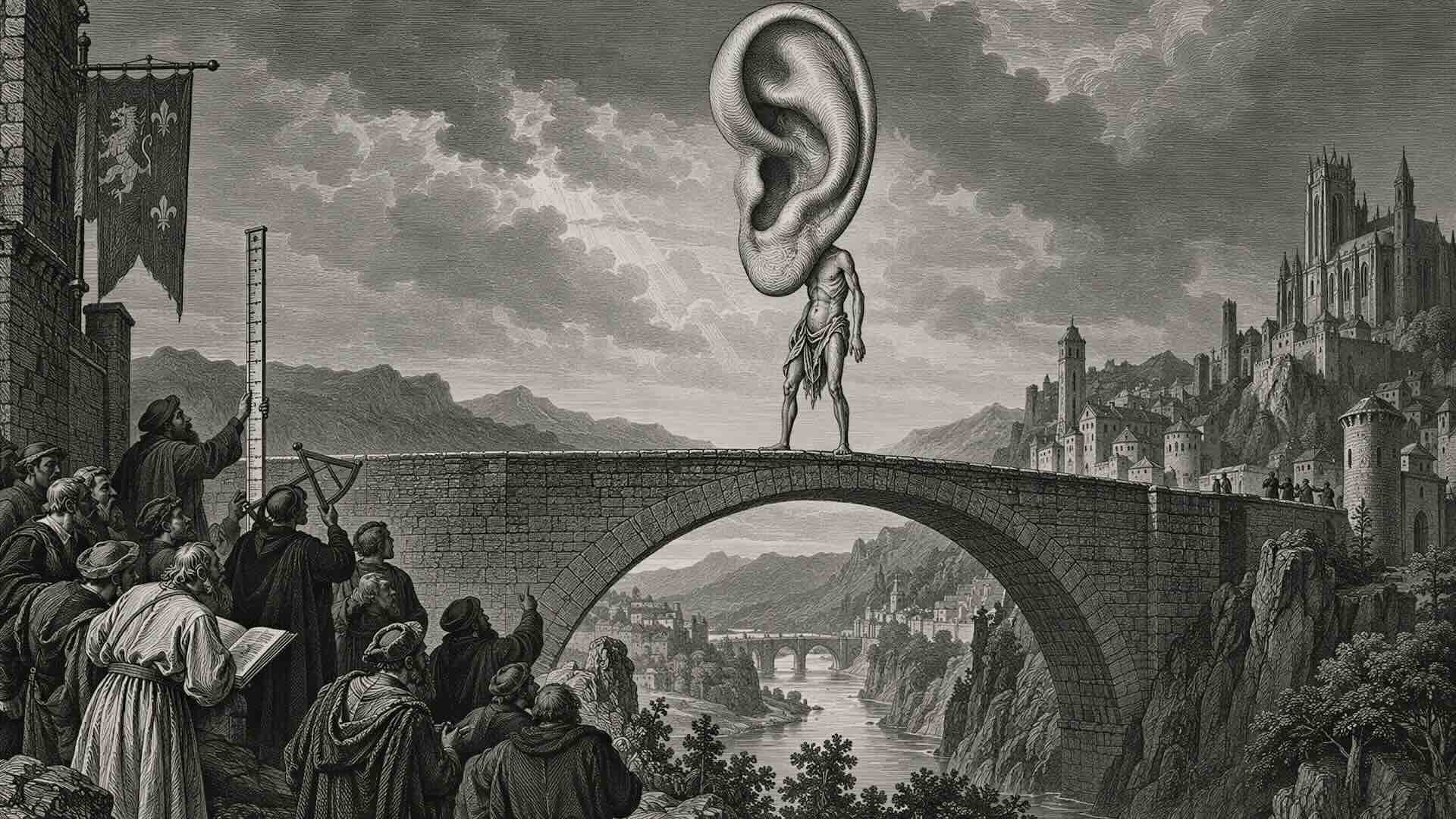
Philosophers have a name for answering the question of what a thing is for with a reading of how busy it is: a category error. Altman, Georgieva and Tyson do not commit it out of stupidity; they commit it because they apparently believe there is only one way to measure a thing, and whatever that measure cannot register, they record as zero. Nietzsche’s Zarathustra knew the type: a thin stalk of a man under an ear as big as a man, whom the people called a genius, one “who had too little of everything, and too much of one thing.”
Wanting money is about being able to use it: to secure a decent standard of living when you leave working life, to have purchasing power in reserve, and to leave something behind for your children and grandchildren. Household savings are thus partly an insurance, and you do not insure yourself in order to make money, but to protect yourself against catastrophe. Putting the money to work may well mean risking its loss. Deposits are not idle either: they finance the banks’ lending and can contribute to lower lending rates. “Lazy money” can only be a problem if the purpose of the money is for it to move in a direction that someone else chooses. The word “channel” suggests precisely that. So does every measure: each is a quiet ruling on what the thing measured is for.
Altman is right on the substance: shared capacity is put to better use. But a computer that is not used all the time is waste only if full utilization is the goal. Granted, it costs electricity and capital when the computer sits idle. But with shared computing power, the price is lost control: you trade away a computer you own for rented capacity that can be taken away from you.
A computer of your own that is there when you need it has a different purpose: you become less dependent on remote data systems and on the goodwill of whoever holds the keys. In April 2026, users of the agent system OpenClaw watched their systems stop working when the AI company Anthropic cut off their subscriptions. The computing power was still there; it was the contract terms that changed.
The same logic appears among people with nothing to rent out. In a video clip, Neil deGrasse Tyson pitched Joe Rogan on a future in which you own almost nothing: self-driving cars “that you don’t own, that you just sort of use,” and no drill of your own, just one dropped off by a Home Depot drone and taken back when you’re done, since “how many total minutes in a year do you use that hand drill?” “It’s a shared commodity”: no garage, no parking spot, no anything. Rogan’s rejoinder deserves the last word: “It sounds like a good deal for Jeff Bezos. He’s probably real excited to be delivering you drills.”
Tyson makes Altman’s mistake free of charge: minutes of use is a measure of utilization, while a drill is for being in the basement the moment a shelf gives way on a Sunday evening. What is measured is the tool’s occupancy; what it is for is never measured.
Owning your home has long been considered part of the American dream. A few years ago, there were fears that home ownership was slipping out of the hands of middle-income earners as housing prices galloped ahead. In 2021, economists swooped in to explain that a nation of renters was nothing to fear. The economists argued that if ownership by large corporations increases, the workforce becomes more mobile and cities grow denser, which produces higher capacity utilization in the economy.
The economists are right too, but pay attention to what is being measured. A dwelling is a home: a place where you know where the keys are, who the neighbors are, and who you yourself are. The economists measure none of that. A dwelling occupied at less than 100 percent is waste only if the home is something else, such as a refugee shelter or a hotel. If the country becomes a nation of renters, perhaps the workforce will become more mobile. But a dwelling you never have time to put down roots in is no longer a home, but something else.
When someone lectures you about lazy money, occupancy rates, or idle capacity, listen for what is underneath: a claim about purpose, about what things are for and, in the end, what you are for. Every measure of efficiency is a claim about purpose.
Is the purpose of “compute” maximum resource utilization? Is the purpose of saving that the money should be channeled? Is the purpose of housing policy a more mobile workforce? Follow the logic all the way, and it ends somewhere strange: that a human being is something to be fully utilized.
If the purpose is instead people’s command over their own lives (self-determination), then the waste runs the other way: the optimizers trade security, readiness, homes, and independence for a rounding error of efficiency and call it an improvement.
The bills come due quietly. They come due on a Sunday evening, when the shelf gives way and the drill is not there. They come due in a nation of renters, where people move so often that a dwelling never becomes a home. And they come due on a day chosen by someone else, when the terms change and the machine keeps running without you. None of it was waste. It was what the idle, the lazy and the unmeasured were actually for.
Write a comment