Was ist, wenn die grünen Fakten nicht stimmen?
Knappheit statt Slogans: eine Dosis ökonomischer Realität für die politischen Debatten
Apophenia enjoyer.
Bitcoin | Mesh networks | Sensemaking | Renaissance 2.0 | LFG!
New content is available. Refresh the stream when you are ready.
The stream could not be loaded. Use Refresh stream to try again.
Publication and collection details are refreshing in the background. Other available work is shown below.
Knappheit statt Slogans: eine Dosis ökonomischer Realität für die politischen Debatten
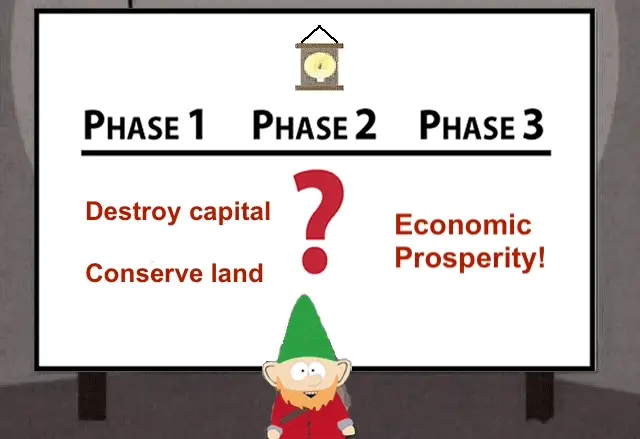
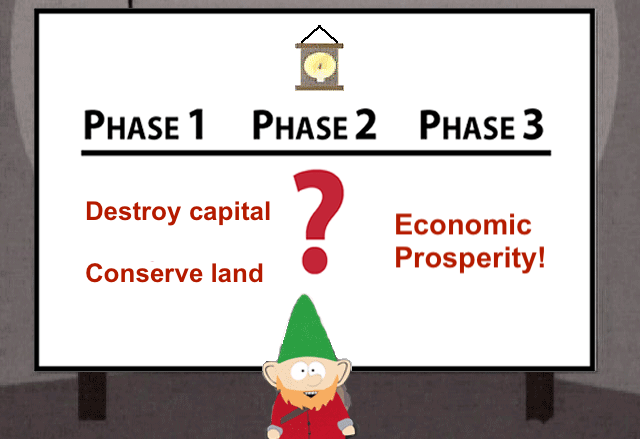
Is the EU's green transition a recipe for disaster? Beneath the rhetoric, the numbers suggest a worrying trend: the green agenda may be stifling economic growth, weakening security and eroding preparedness. Can the EU really afford to put green pledges ahead of prosperity and defence?
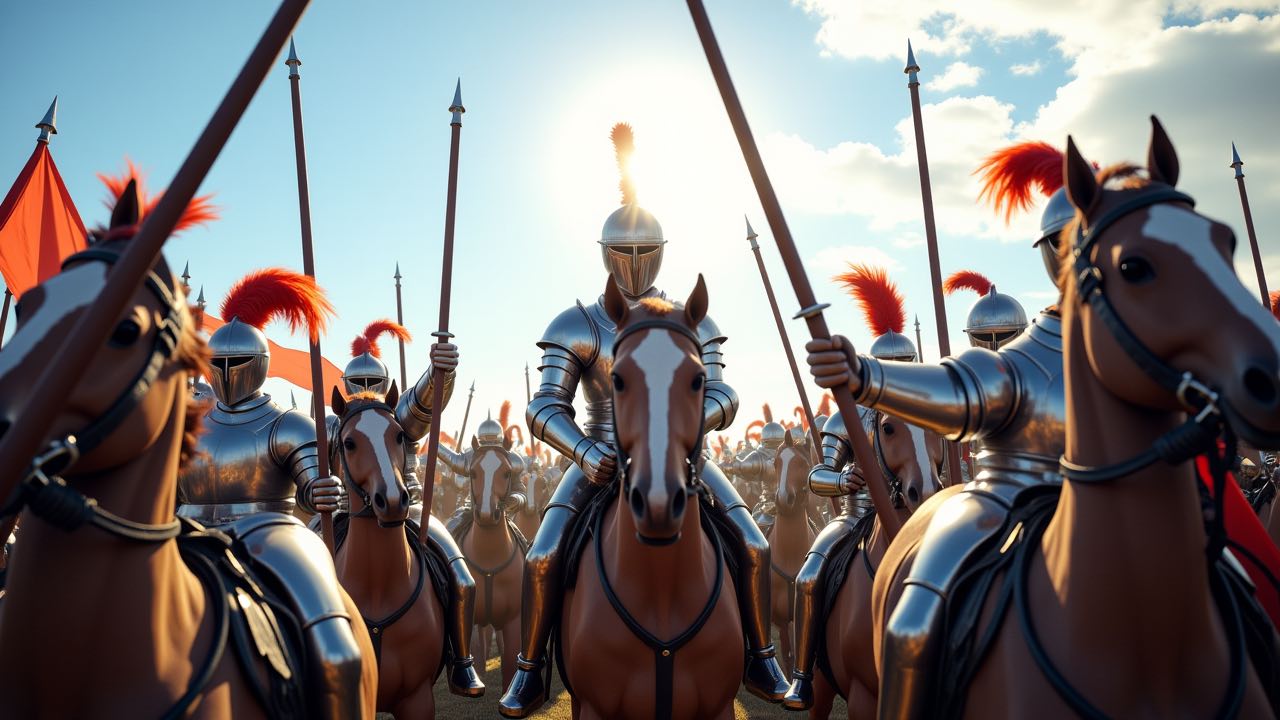
Machen Sie sich bereit für eine Auseinandersetzung: Werden die USA ab 2025 den „Demokratieschild" der EU übernehmen und die zensierende Haltung der EU in Frage stellen? Der Kampf um die freie Meinungsäußerung könnte sich noch weiter verschärfen.
In Germany, the current trend towards deindustrialization and falling wages can have consequences for environmental priorities in the long run. Economic difficulties can lead to environmental issues being downgraded. Perhaps the declining support for incumbent government parties is a first sign?

Frans de Waal coined the term "veneer theory", when arguing that humanity is more cooperative than predicted by simple models. However, it's possible to question how thick the "civilizing veneer" really is.
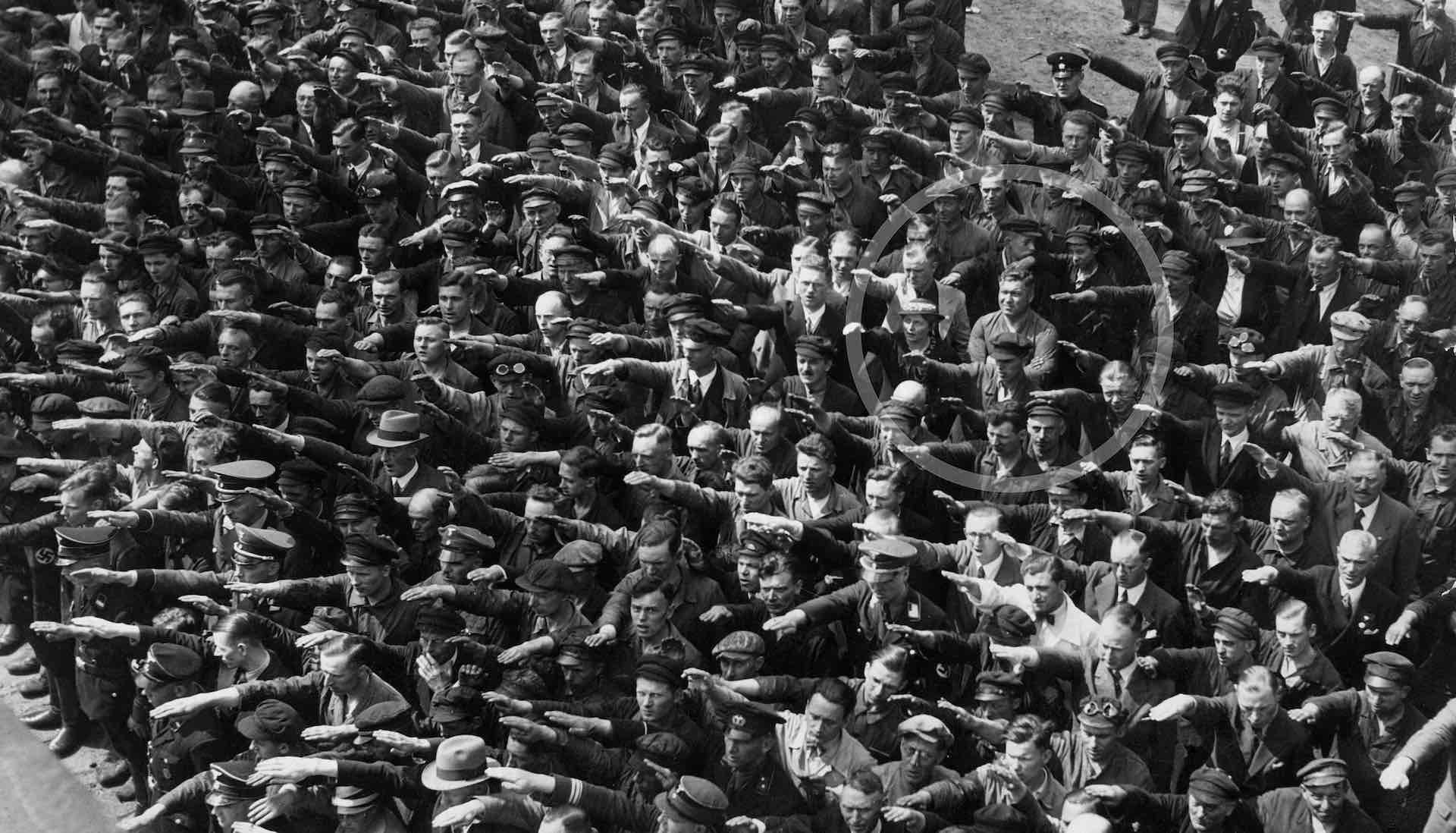
J.D. Vance observed that many in the Democratic Party are attempting to manufacture trust from the top down, neglecting the fact that genuine trust is often born from grassroots connections. There's indeed a stark contrast between trust that's artificially constructed through manipulation and censorship, and trust that's organically cultivated from the ground up.

The internet of today is making our societies increasingly fragile. Digital risks are rising. The right tech - which exists today - could help us turn the tide.
The mathematics of trust says that news reporting will increasingly fall flat when the population becomes suspicious of the media. This is now the case for large groups of voters in the U.S. but also the case in Sweden

To advocate for the abolition of anonymity on the internet as now many do, one must be of the (absurd) opinion that the development of history has now reached its definitive end.
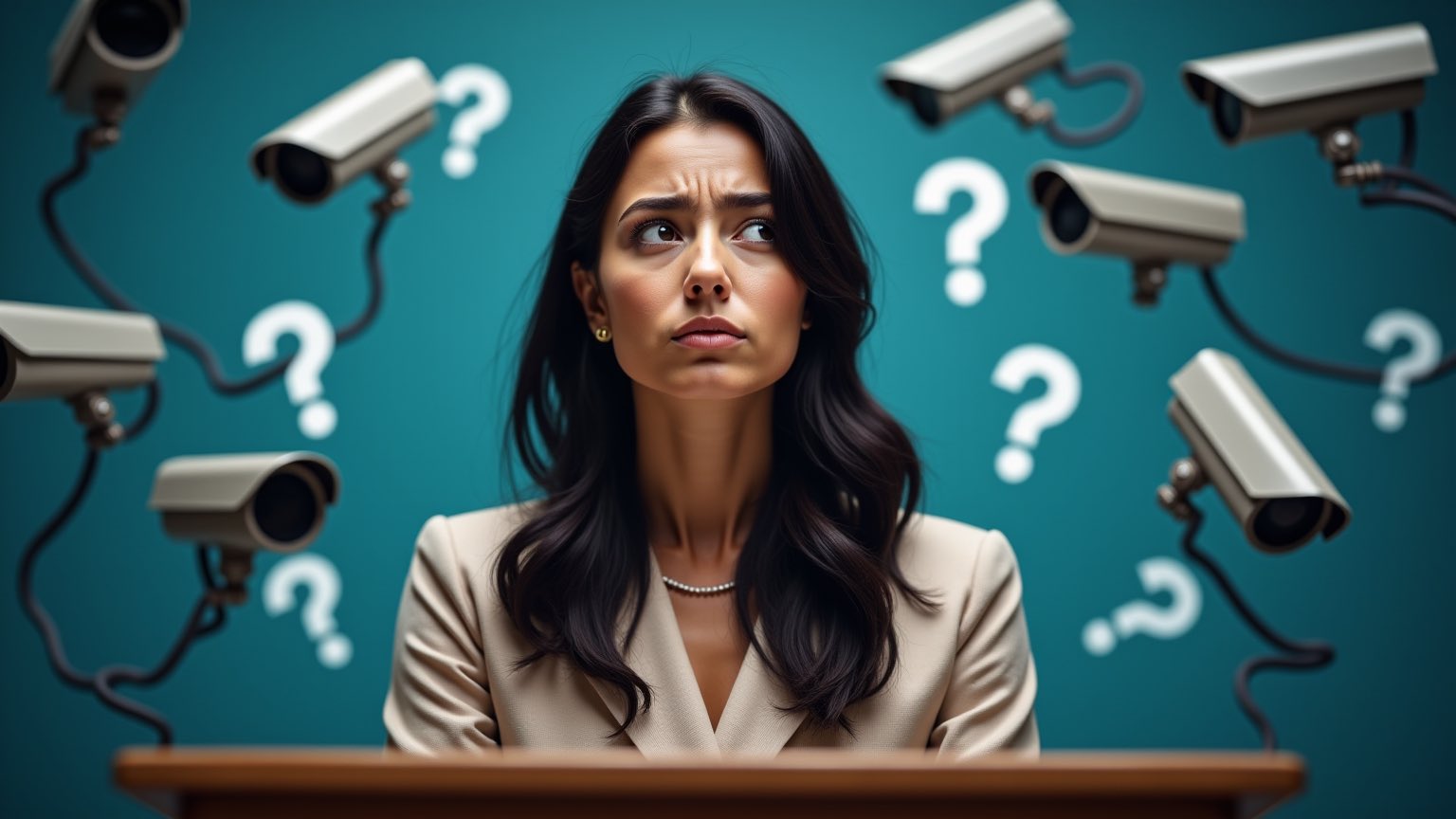
The boiling frog is a simple tale that illustrates the danger of gradual change: if you put a frog in boiling water, it will quickly jump out to escape the heat. But if you place a frog in warm water and gradually increase the temperature, it won't notice the change and will eventually cook itself. Is the decline in cash usage an example of this tale?
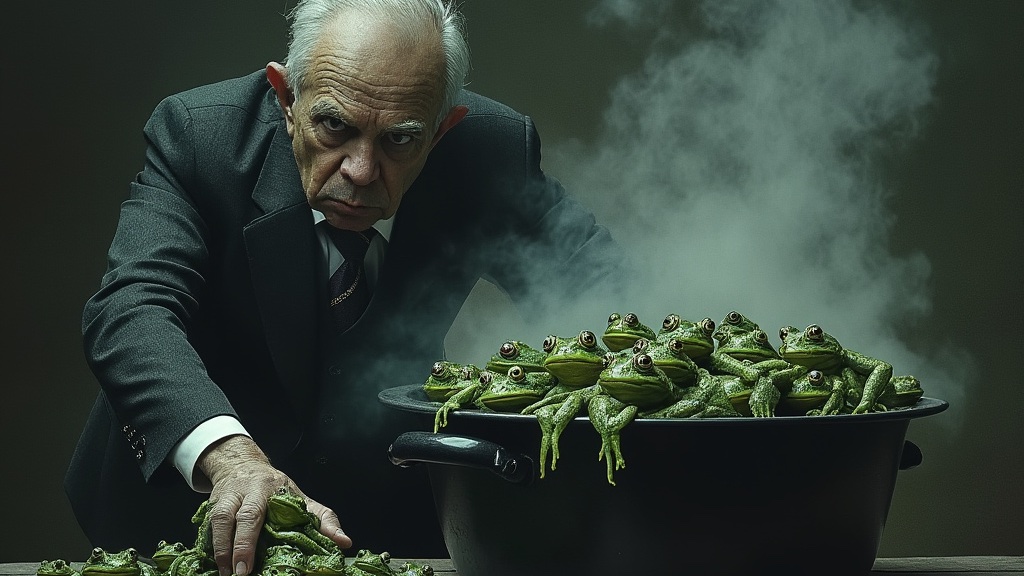
The ongoing debate surrounding freedom of expression may revolve more around determining who gets to control the dissemination of information rather than any claimed notion of safeguarding democracy. Similarities can be identified from 500 years ago, following the invention of the printing press.

How search engines work should be considered of great importance by anyone who claims to take democracy seriously, as evident from past elections and recent events.
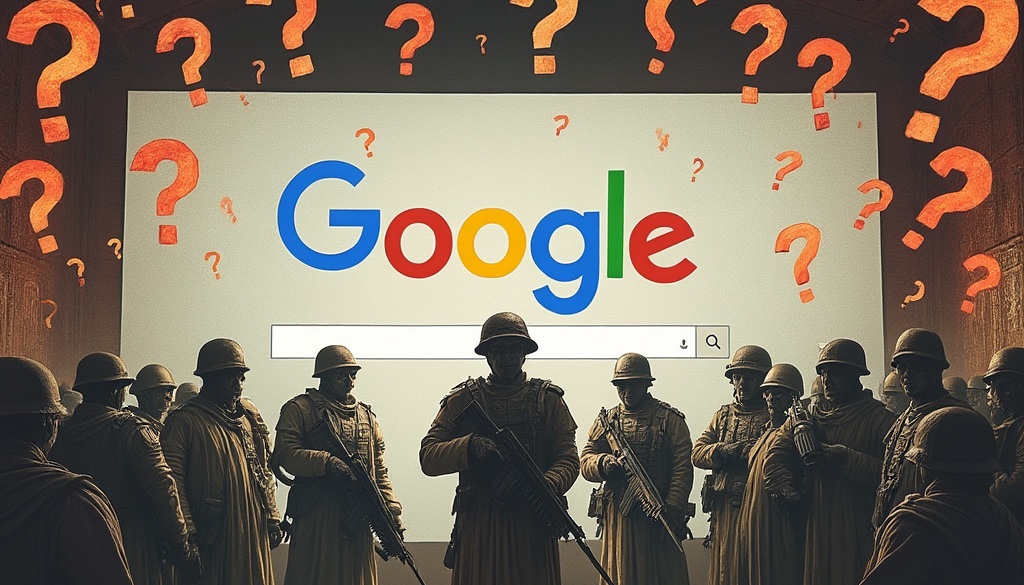
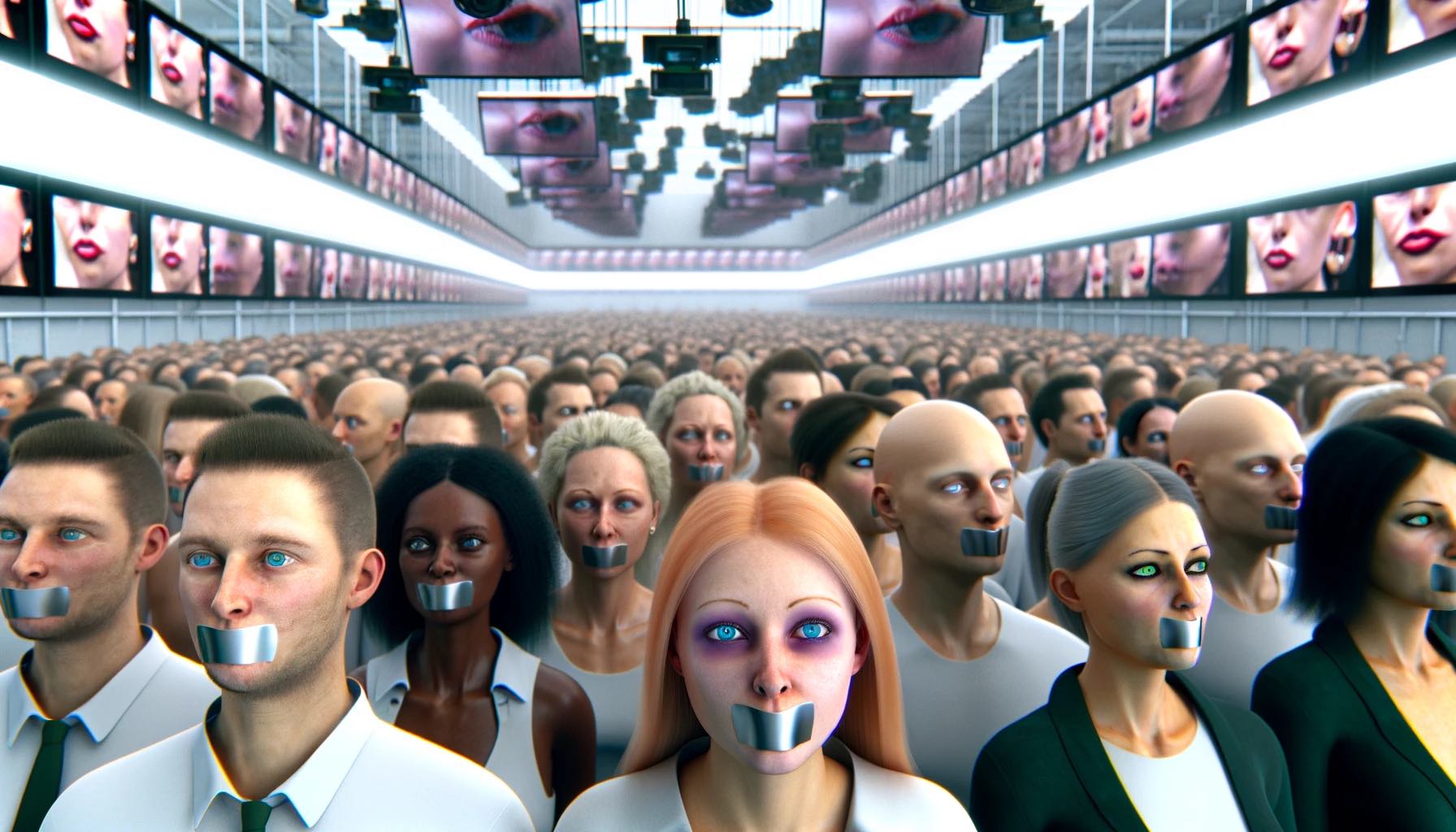
Elon Musk's X limits users ability to reach others (freedom of speech does not mean freedom of reach). This strategy is not without its challenges. If you voice your thoughts in the middle of a crowd but are muffled by invisible architects, can you truly claim to still possess freedom of speech?

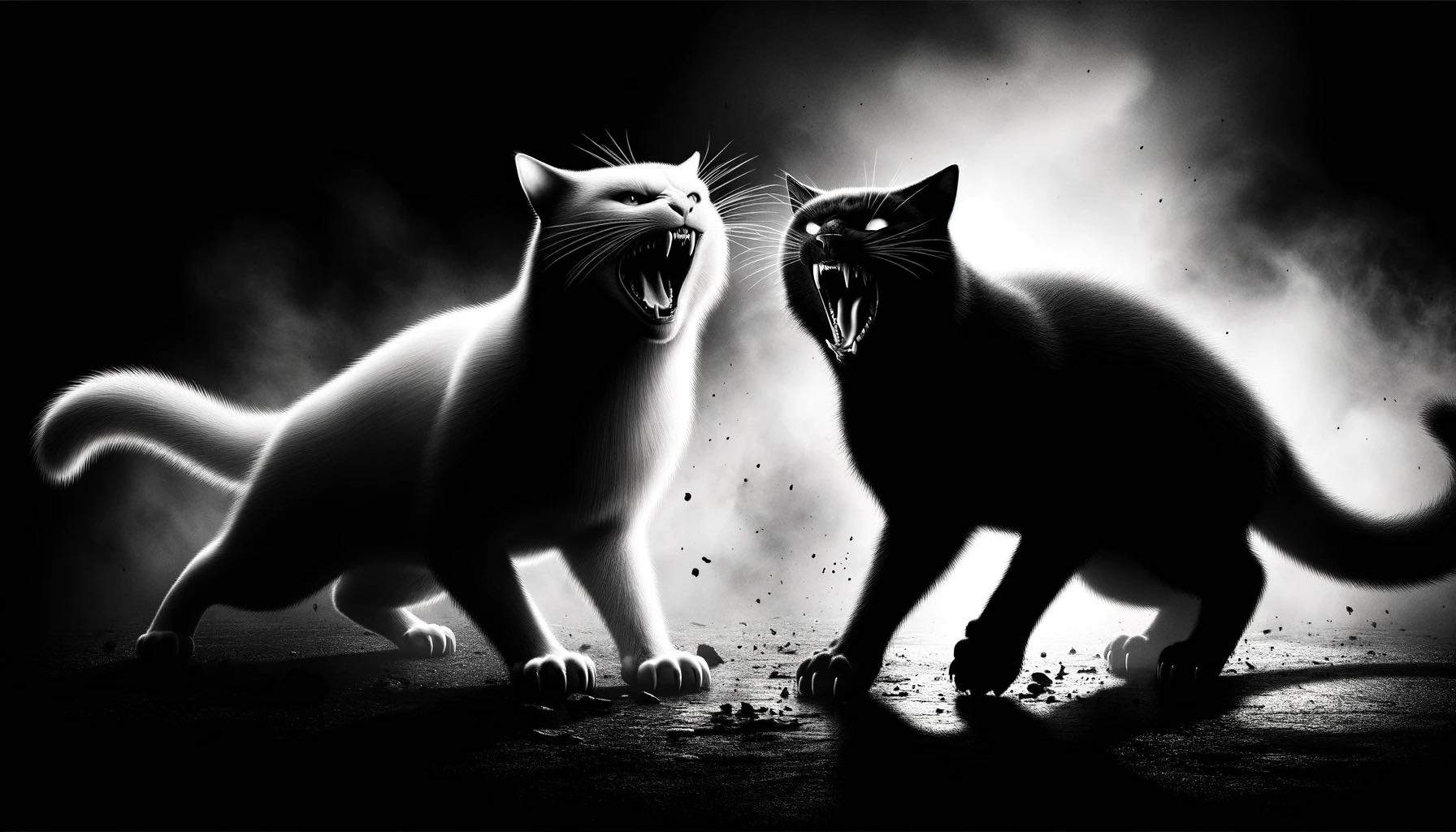
"Louisiana is a leader in bitcoin — banning CBDCs...", was reportedly stated by its governor just hours ago. Before popping the champagne, we must keep in mind that it's not the colour of the cat that matters. If CBDCs are stopped, the government can still outsource financial censorship to the banks - similar to the censorship it is already outsourcing to social media companies.
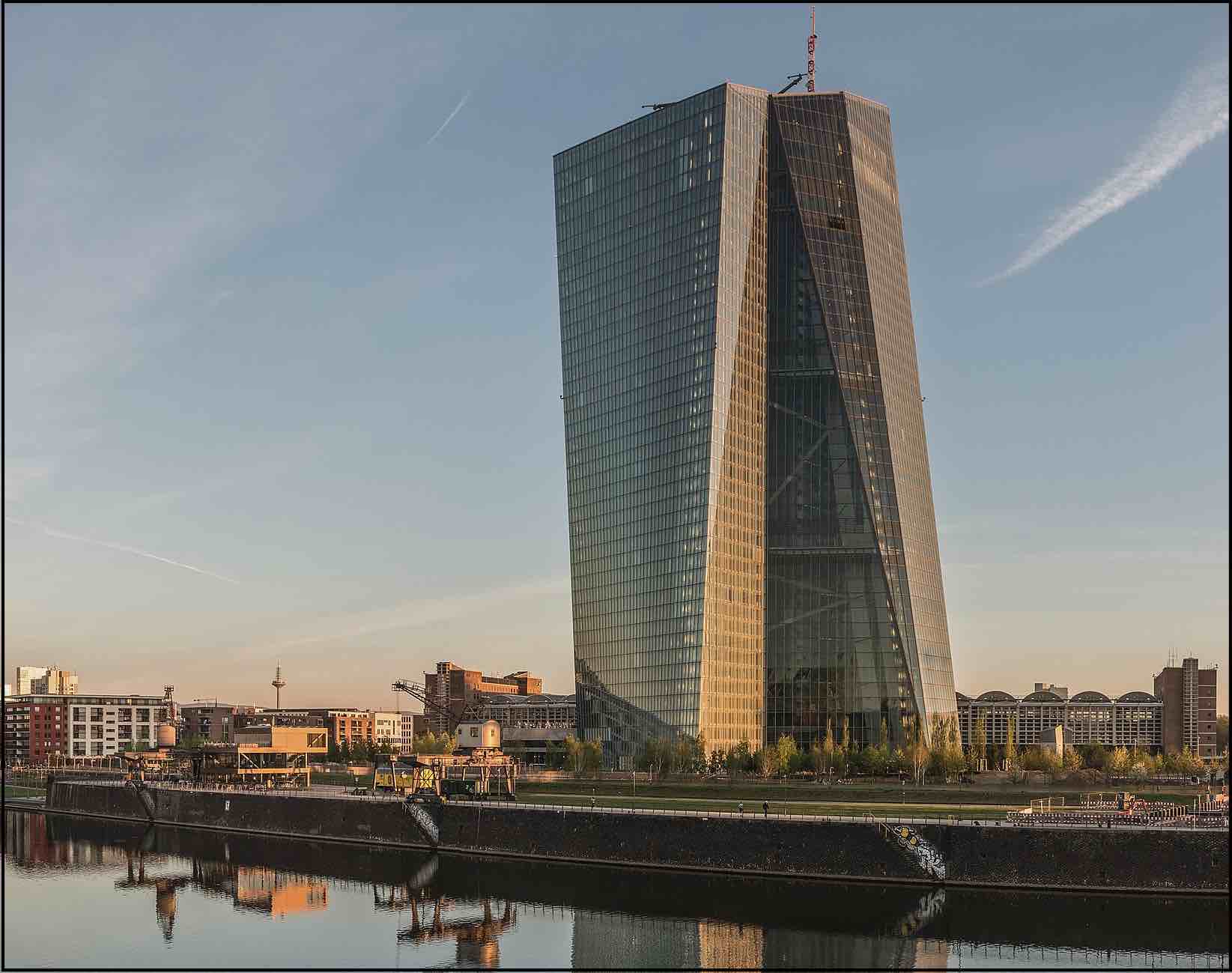
Claims that we need greater centralisation are prevalent across the usual media channels. Everything will apparently be solved if we getlittle more global coordination, governance and leadership. But what if the opposite is true?
Many have pondered what actually transpired around the beginning of the 1970s. Asset prices began to soar, real wage growth stagnated and technological progress slowed. Could the surge in legal counterfeiting be the culprit? If so, perhaps it's time to make money "real" again!

If freedom of speech cannot be maintained due to the progression towards a global village (a.k.a. globalism), should it really be freedom of speech that we abolish?
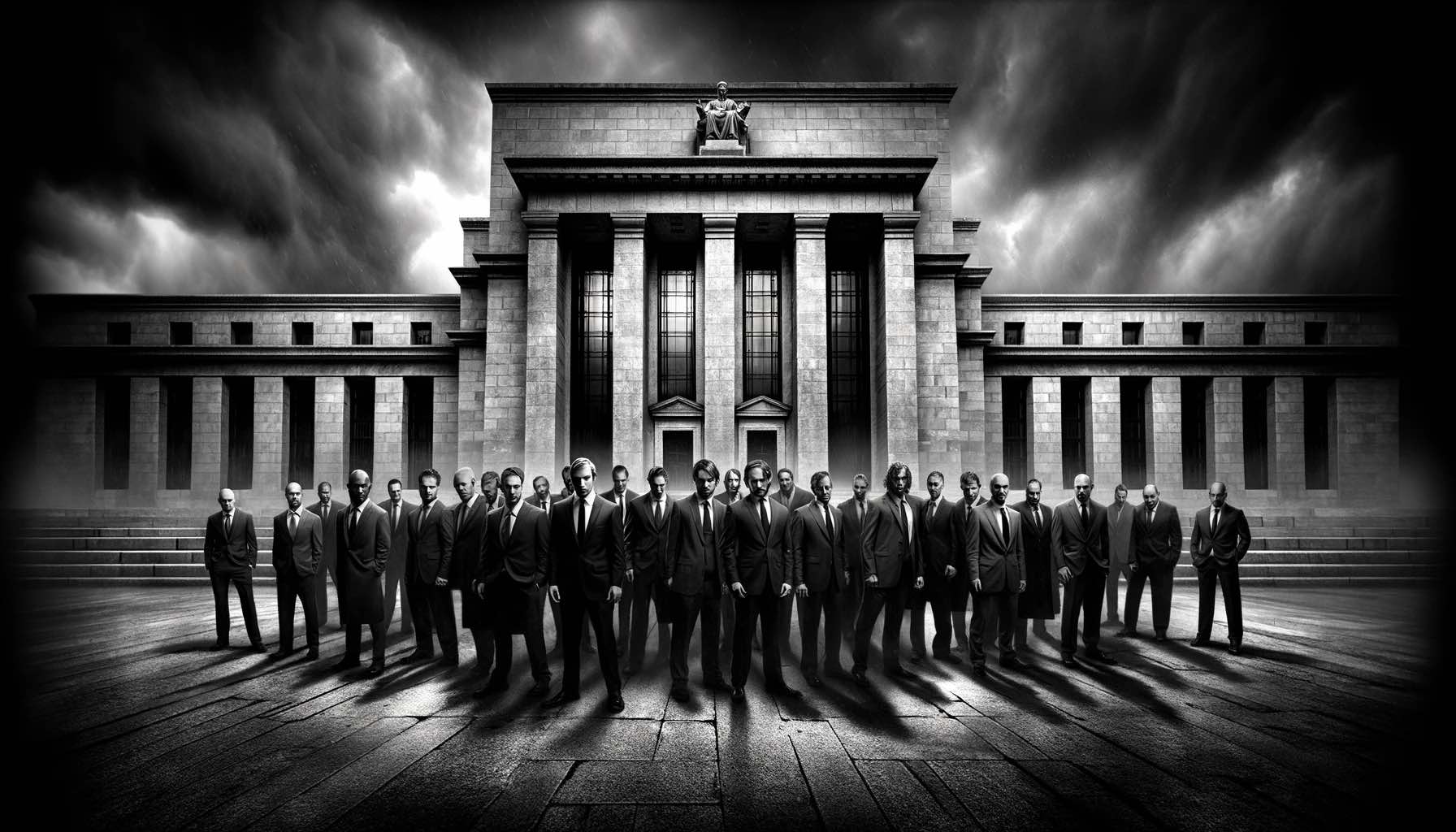
There's a lot of talk about trust, trust in the media, trust in the authorities, and trust in central bankers. But if the decision-makers do not pause for a reflection even when trust has been utterly shattered, are we then not dealing with mere lip service? And how much trust do these decision-makers then deserve?
Biologist Stuart Kauffman introduced the concept of the "adjacent possible" in evolutionary biology in 1996. What insights can this concept offer us about the invention of Bitcoin? And especially in a time with eroding trust?

The erosion of our constitutionally protected freedoms and rights is on the rise due to escalating KYC and AML regulations. What is the origin of these rules and to what extent are they effective? What if the purpose of a system is what it does?
